- 中文
- English
- Español
What are the advantages of lab diamonds?
2022-12-07 11:33:00
Click:
“
1. Lab-grown diamonds or real diamonds are designed in the laboratory by expert
”
1. Lab-grown diamonds or real diamonds are designed in the laboratory by expert jewelers.
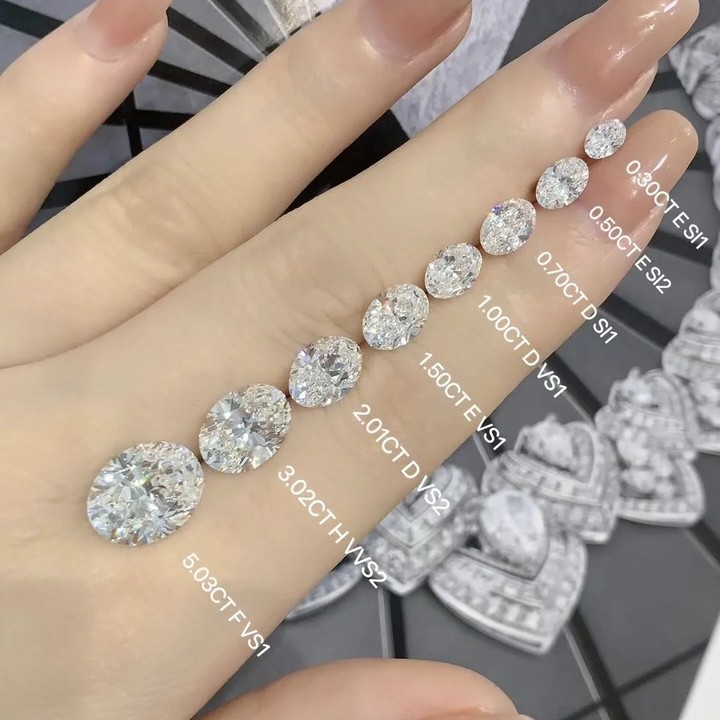
2. Lab-grown diamonds look and feel like real diamonds but are available at the lowest cost when compared with the cost of natural diamonds.

3. Mined diamonds can take thousands of years to form the shapes and to get the shine but lab-grown diamonds can get the same shape and sparkle within hours.
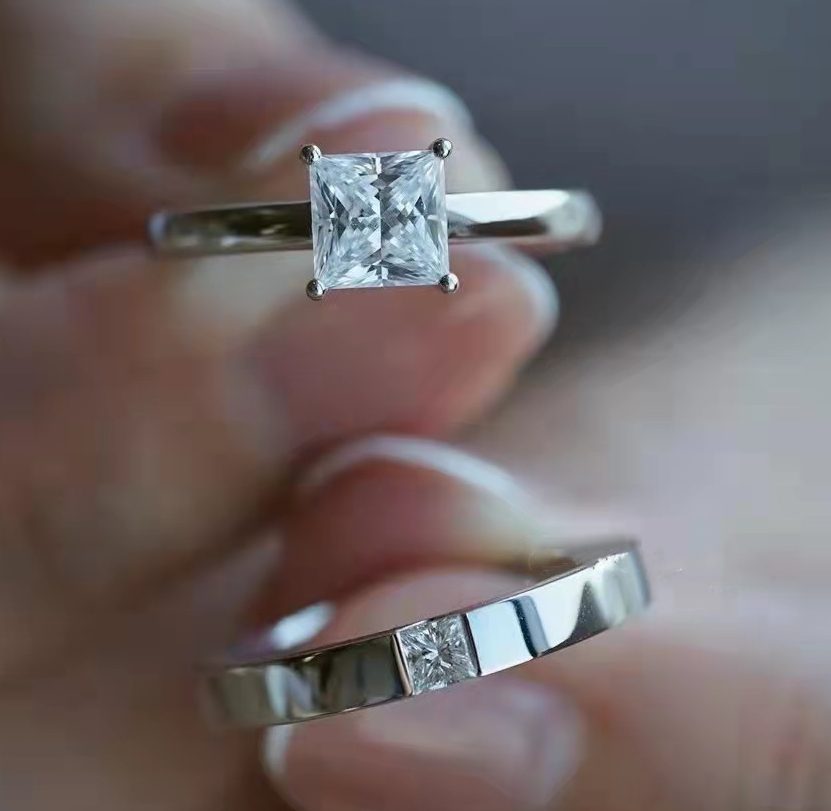
4. Lab-grown diamonds can be available in various forms, shapes, and other physical properties.
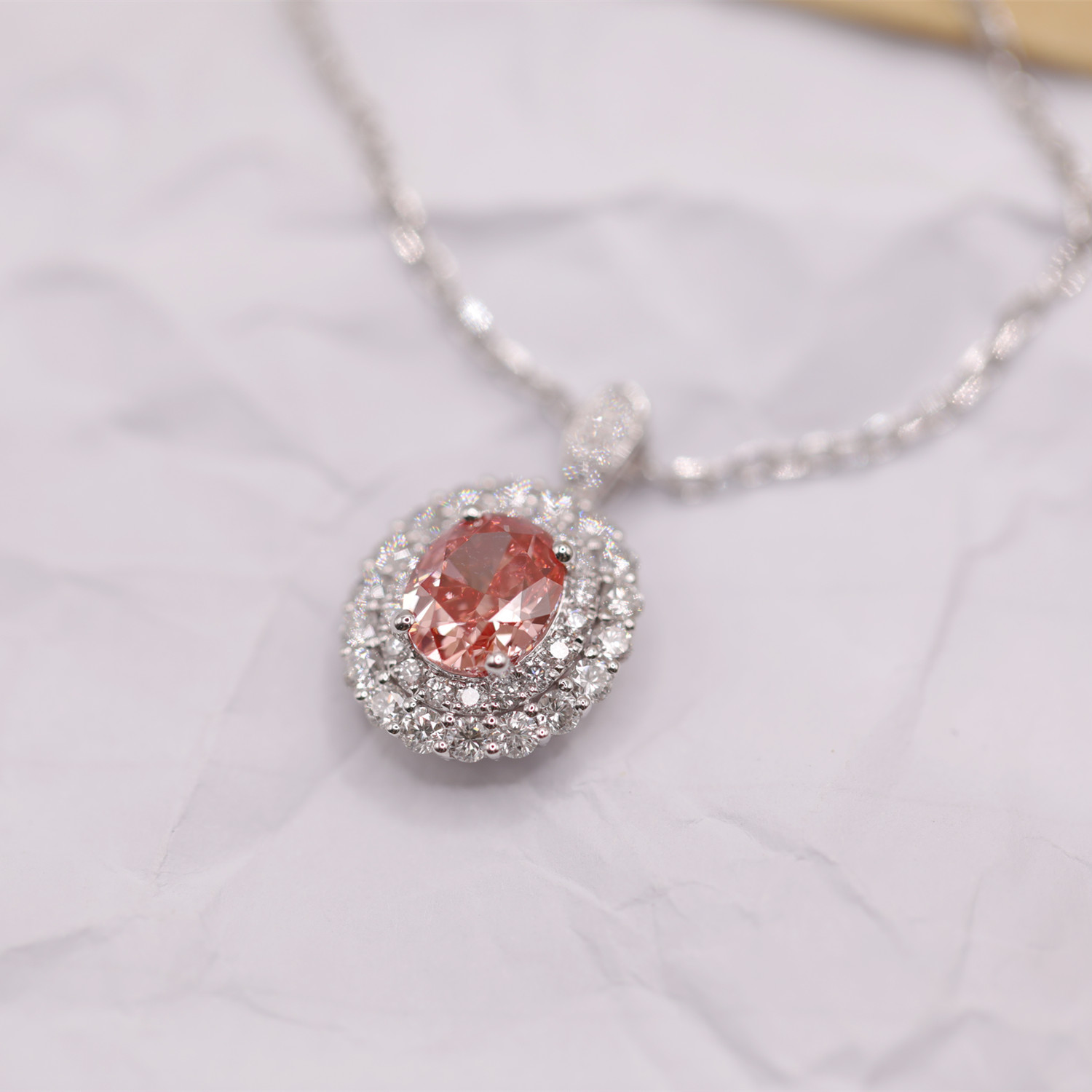
5. Lab-grown diamonds can be used in designing various forms of jewelry which has used demand in the market. The use & popularity of lab-grown diamonds are increasing day by day.
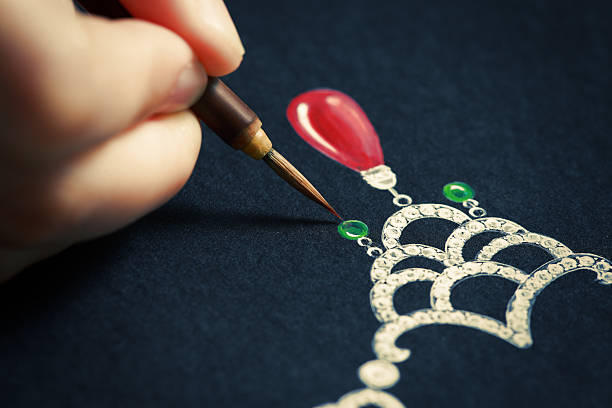
6. Lab grown diamonds can be grown to bigger carats and different fancy color diamonds. Lab-grown diamonds open up more possibilities for jewelry design.
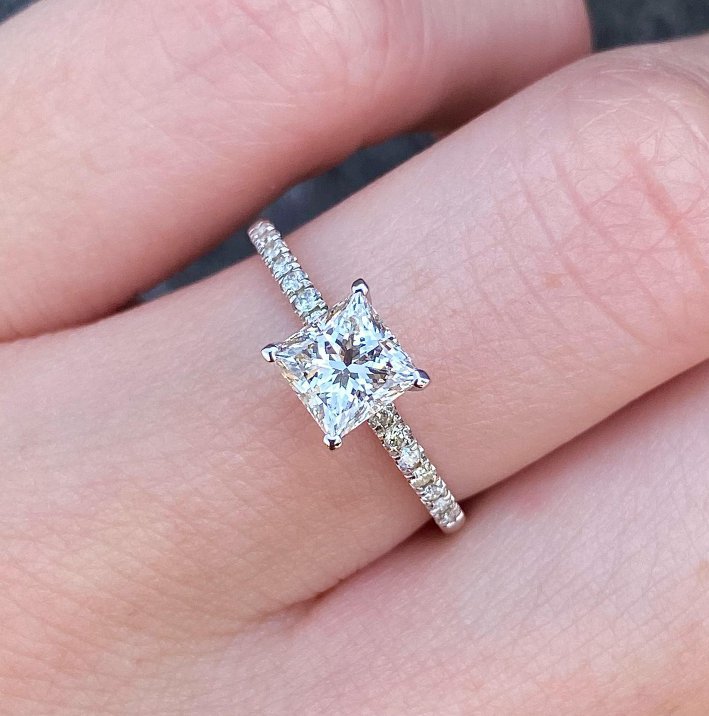









-

CVD Single-Crystal Diamonds: An Analysis of the Complete Processing Workflow from Gas-Phase Deposition to Finished Diamond Chips
MPCVD (Microwave Plasma Chemical Vapor Deposition) technology is currently the core process for producing high-quality single-crystal diamond s. Thanks to its advantages of low defect rates, high purity, and controllable large dimensions, it is widely used in fields such as semiconductor heat dissipation, precision optics, and high-end sensors. The final quality of single-crystal diamond s depends on comprehensive process control throughout the entire workflow—from vapor deposition growth to pos
-
Single-Crystal or Polycrystalline Diamond — Which Has Greater Potential?
As diamond continues to enter industries such as semiconductors, thermal management, optics, high-power electronics, and precision machining, the requirements for diamond materials are also evolving.
-
Diamond Polishing and Grinding Processes: Core Challenges and Industry Hurdles
Diamond is often hailed as the “ultimate material” – ranking 10 on the Mohs hardness scale, boasting an ultra‑high thermal conductivity (~2,200 W/(m·K)), excellent chemical stability, and broad optical transparency. These properties make it irreplaceable in cutting‑edge applications such as semiconductor heat dissipation, high‑end optics, and quantum chips. Yet the paradox of “good materials are hard to process” is nowhere more evident than in diamond. From rough grinding for planarization to at
-
Single-Crystal vs Polycrystalline CVD Diamond: Process Difference Lies in Growth Logic, Not Equipment
The process difference between single crystal and polycrystalline CVD diamond lies not in equipment, but in growth logic. Single crystal and polycrystalline CVD diamond are two functional new materials with completely independent growth mechanisms, lattice structures and performance systems. Their process logic, product features and application boundaries diverge fundamentally from the very start of deposition and growth. Comparing or selecting materials without considering their underlying crys