- 中文
- English
- Español
India's natural diamond rough imports dropped sharply in October, and diamond prices may receive greater support!
2023-12-28 09:32:35
Click:
“
India is a midstream country in the diamond industry and is responsible for 90% of the world's diamond cutting work. Therefore, rough diamonds are its "raw materials" and loose diamonds can be regarded as its "products". Although the GJEPC October report has not yet been released, some Indian media have already provided several important sets of data.
”
India is a midstream country in the diamond industry and is responsible for 90% of the world's diamond cutting work. Therefore, rough diamonds are its "raw materials" and loose diamonds can be regarded as its "products". Although the GJEPC October report has not yet been released, some Indian media have already provided several important sets of data.
During the period from October 1 to 15, India's total rough import volume was 3.837 million carats. After the industry-wide suspension of rough imports, the total rough import volume in the second half of the month (16-31) was only 1.446 million carats, a 62.3% decrease from the first half of the month. (Note: Imports in the second half of the month are all orders placed before the purchase suspension was implemented)
"The quantity of bulk cargo dropped from 758 packages in the first half of the month to 328 packages in the second half of the month." - India's "Economic Times"
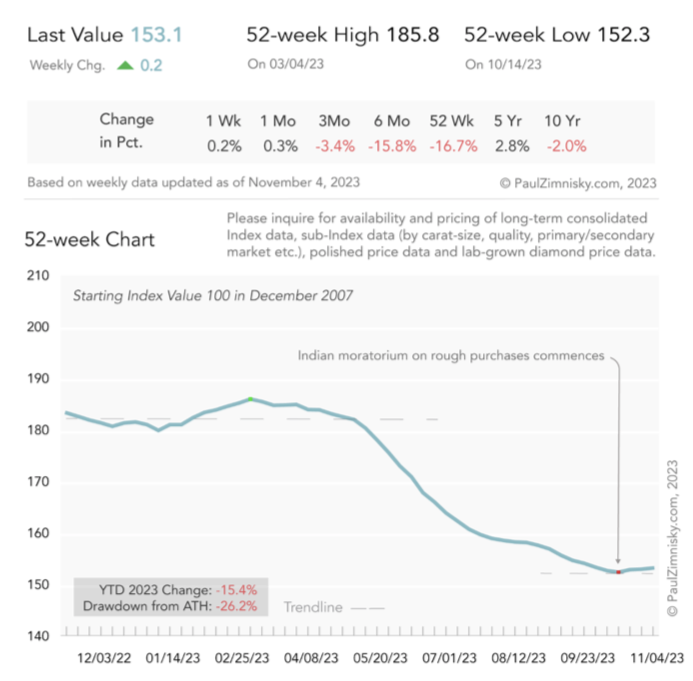
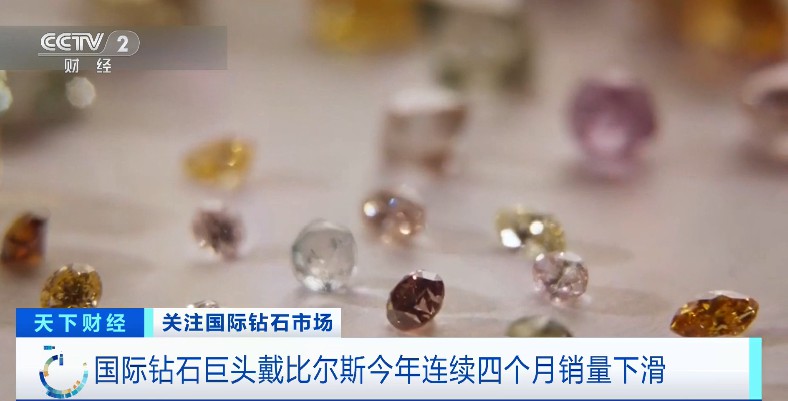
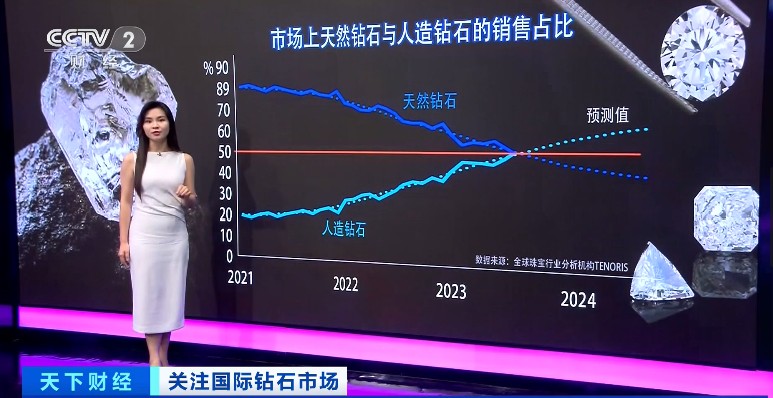
From the data point of view, the effect of the suspension of imports is very obvious, so some reports believe that the prices of rough and polished diamonds will receive greater support as a result. Although the industry has not seen a rapid recovery of the market, and the "eating effect" of lab-grown diamonds still exists, there is hope that the price of natural diamonds will stop falling. In addition, the "Natural Diamond Rough Price Index" produced by Paul Zimnisky also shows (as shown in the figure below) that rough prices also rebounded slightly after the purchase suspension began.
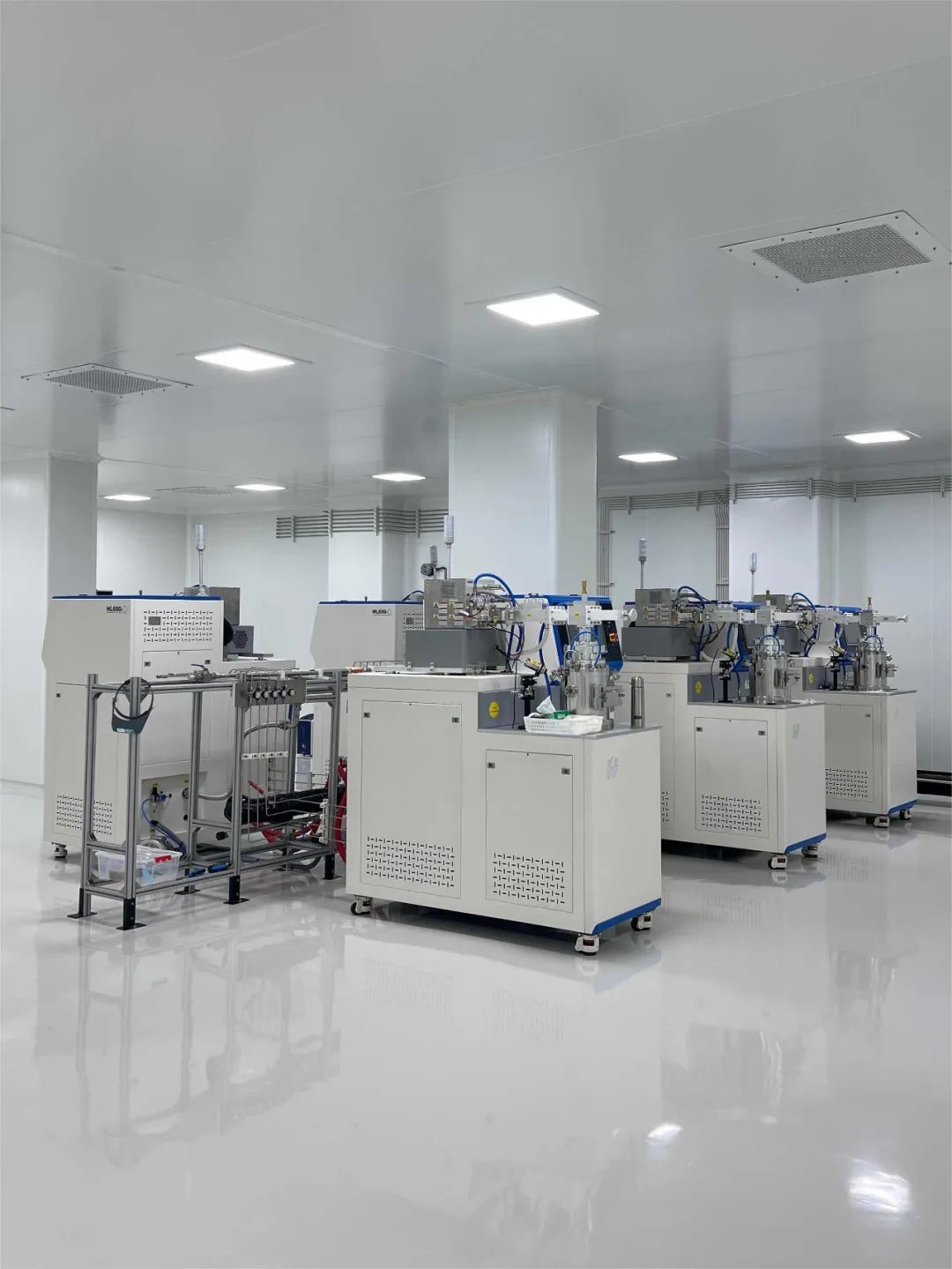
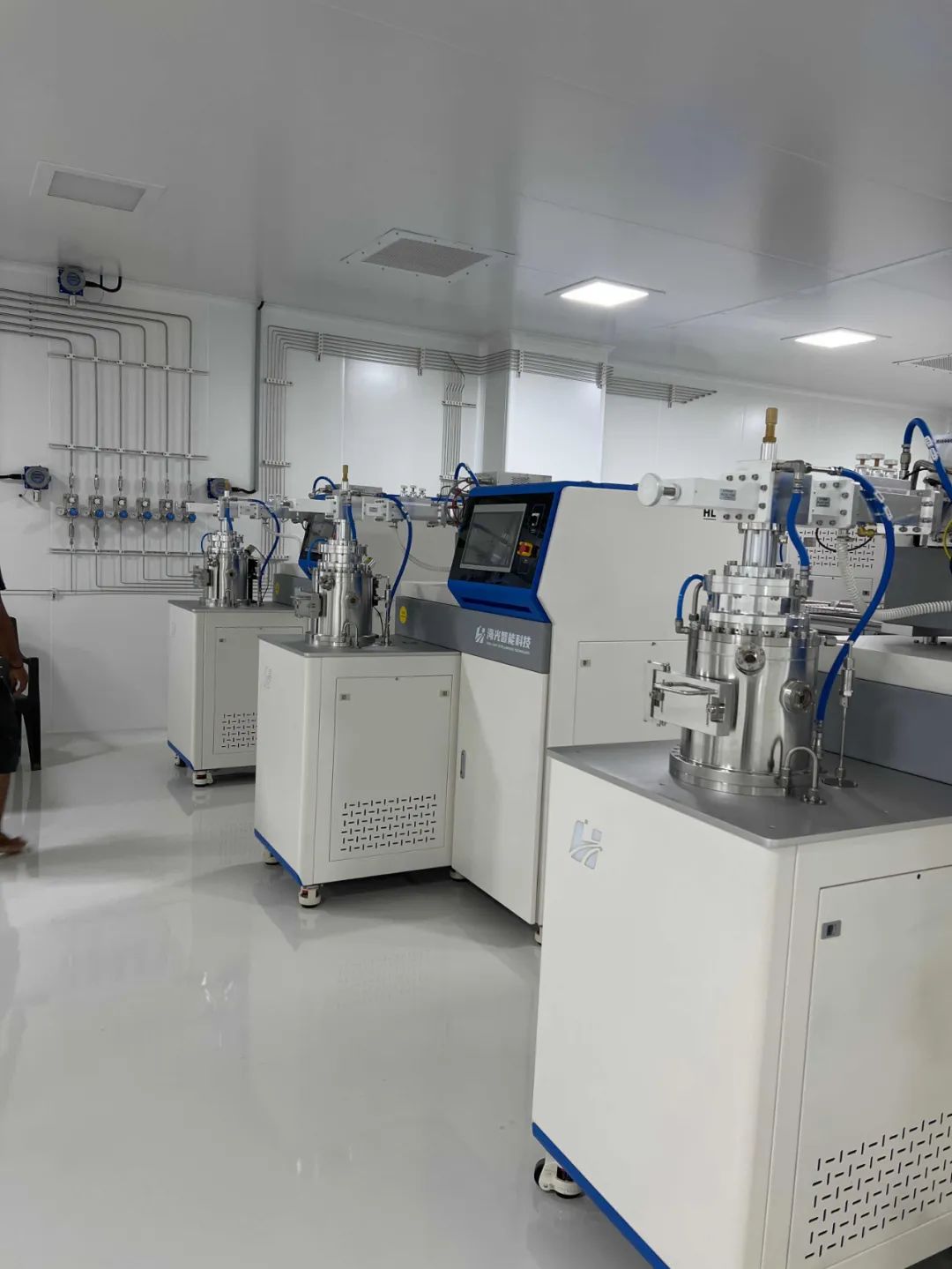
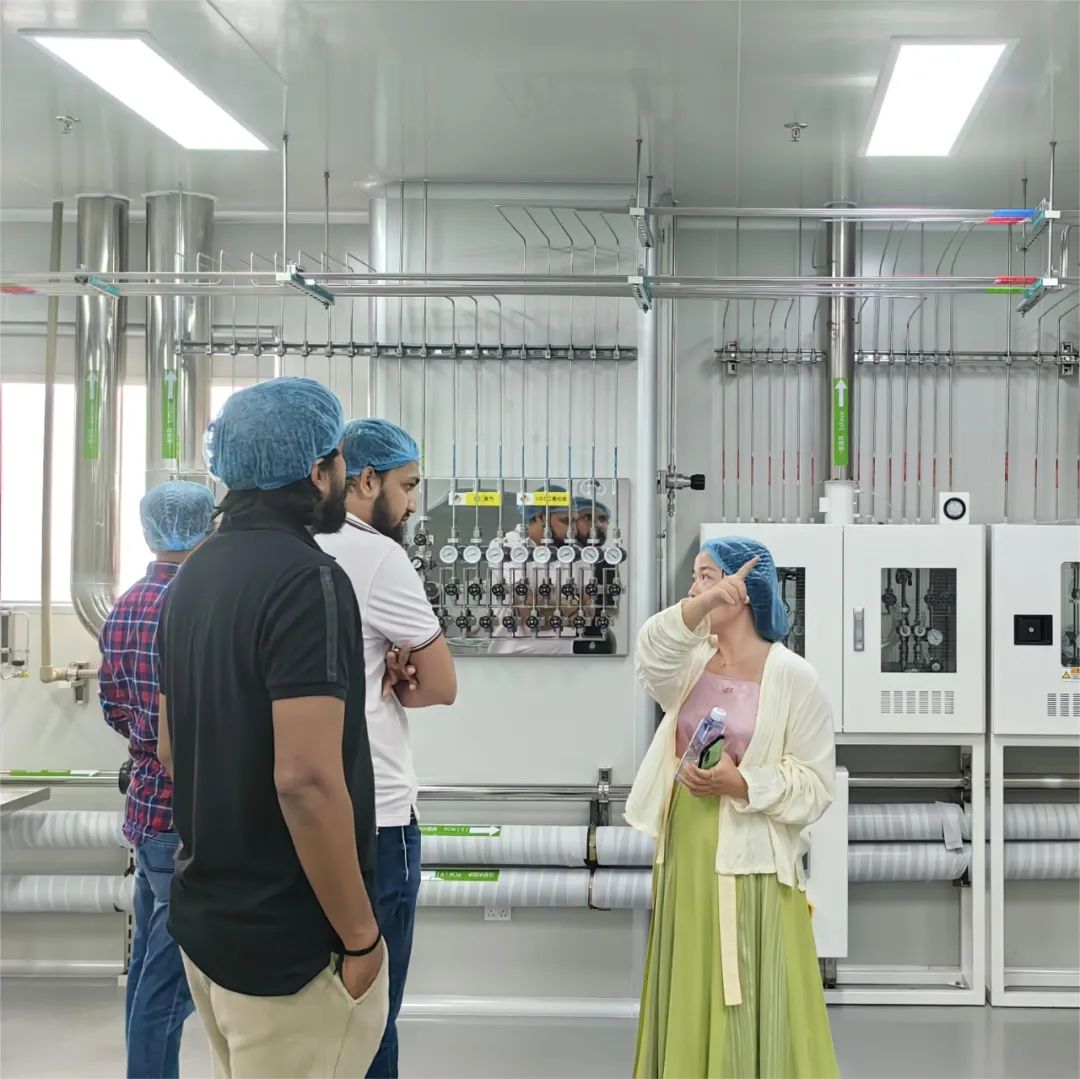
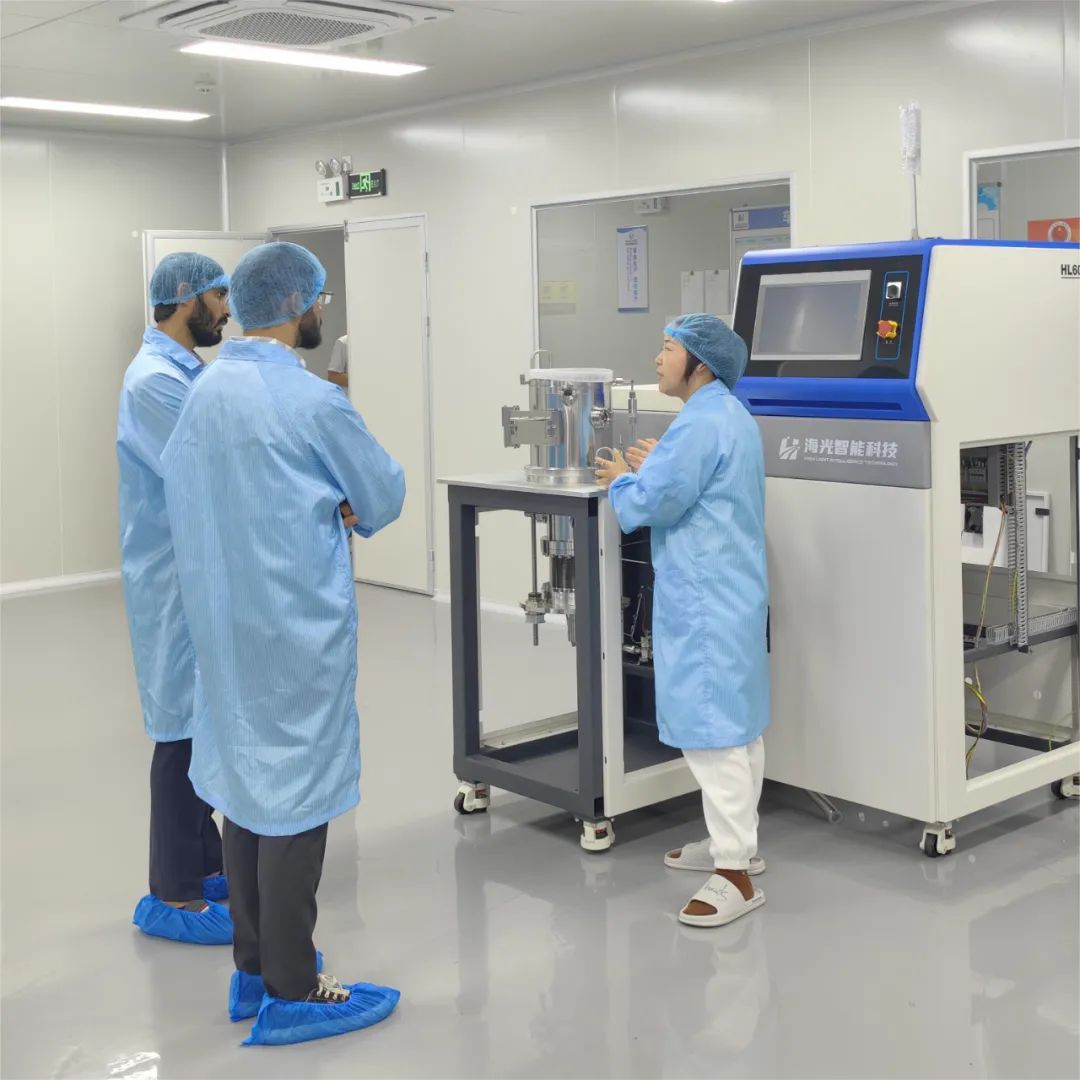
High Light Intelligence Technology has been engaged in the production and research and development of diamond materials for seventeen years and has its own diamond factory. In 2020, the advantages of CVD lab-grown diamonds have gradually become more prominent. The company has successively established a research and development department, carried out strategic cooperation with scientific research institutes and universities on equipment, semiconductors, diamonds, etc., invested in and cooperated with Stella Creations, an Indian CVD production factory, to create a production line starting from MPCVD machines. , R&D, CVD diamond growth, R&D, sales, complete sales chain of brand effect. With MPCVD technology as the core, we have long been committed to the R&D and manufacturing of high-quality diamond materials and related equipment. We have advanced MPCVD equipment, laser processing equipment and precision polishing equipment.









-

CVD Single-Crystal Diamonds: An Analysis of the Complete Processing Workflow from Gas-Phase Deposition to Finished Diamond Chips
MPCVD (Microwave Plasma Chemical Vapor Deposition) technology is currently the core process for producing high-quality single-crystal diamond s. Thanks to its advantages of low defect rates, high purity, and controllable large dimensions, it is widely used in fields such as semiconductor heat dissipation, precision optics, and high-end sensors. The final quality of single-crystal diamond s depends on comprehensive process control throughout the entire workflow—from vapor deposition growth to pos
-
Single-Crystal or Polycrystalline Diamond — Which Has Greater Potential?
As diamond continues to enter industries such as semiconductors, thermal management, optics, high-power electronics, and precision machining, the requirements for diamond materials are also evolving.
-
Diamond Polishing and Grinding Processes: Core Challenges and Industry Hurdles
Diamond is often hailed as the “ultimate material” – ranking 10 on the Mohs hardness scale, boasting an ultra‑high thermal conductivity (~2,200 W/(m·K)), excellent chemical stability, and broad optical transparency. These properties make it irreplaceable in cutting‑edge applications such as semiconductor heat dissipation, high‑end optics, and quantum chips. Yet the paradox of “good materials are hard to process” is nowhere more evident than in diamond. From rough grinding for planarization to at
-
Single-Crystal vs Polycrystalline CVD Diamond: Process Difference Lies in Growth Logic, Not Equipment
The process difference between single crystal and polycrystalline CVD diamond lies not in equipment, but in growth logic. Single crystal and polycrystalline CVD diamond are two functional new materials with completely independent growth mechanisms, lattice structures and performance systems. Their process logic, product features and application boundaries diverge fundamentally from the very start of deposition and growth. Comparing or selecting materials without considering their underlying crys