- 中文
- English
- Español
Advanced manufacturing technology of CVD rough and its application prospects
2024-03-21 09:06:56
Click:
“
With the rapid development of science and technology, innovation in the field of new materials is changing with each passing day. Among them, CVD rough as an important part of high-performance materials, are attracting increasing attention.
”
With the rapid development of science and technology, innovation in the field of new materials is changing with each passing day. Among them, CVD rough as an important part of high-performance materials, are attracting increasing attention.
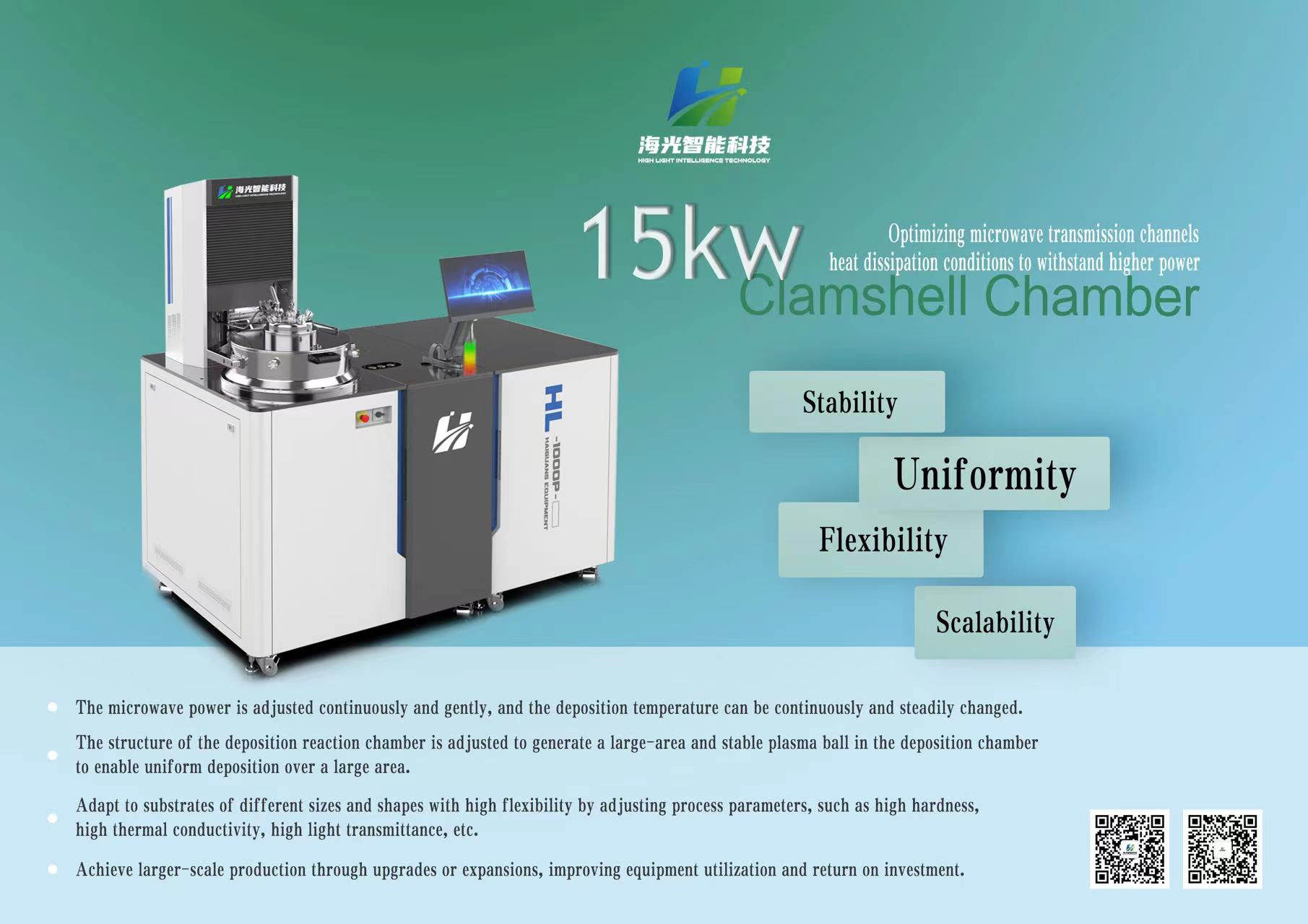
The manufacturing technology of CVD rough mainly relies on MPCVD technology, which is a method of depositing the required materials on the surface of the substrate through chemical reactions. In recent years, with the advancement of science and technology, MPCVD technology in the industry has continued to make breakthroughs and innovations, among which High Light Intelligence Technology’s MPCVD technology is particularly outstanding.
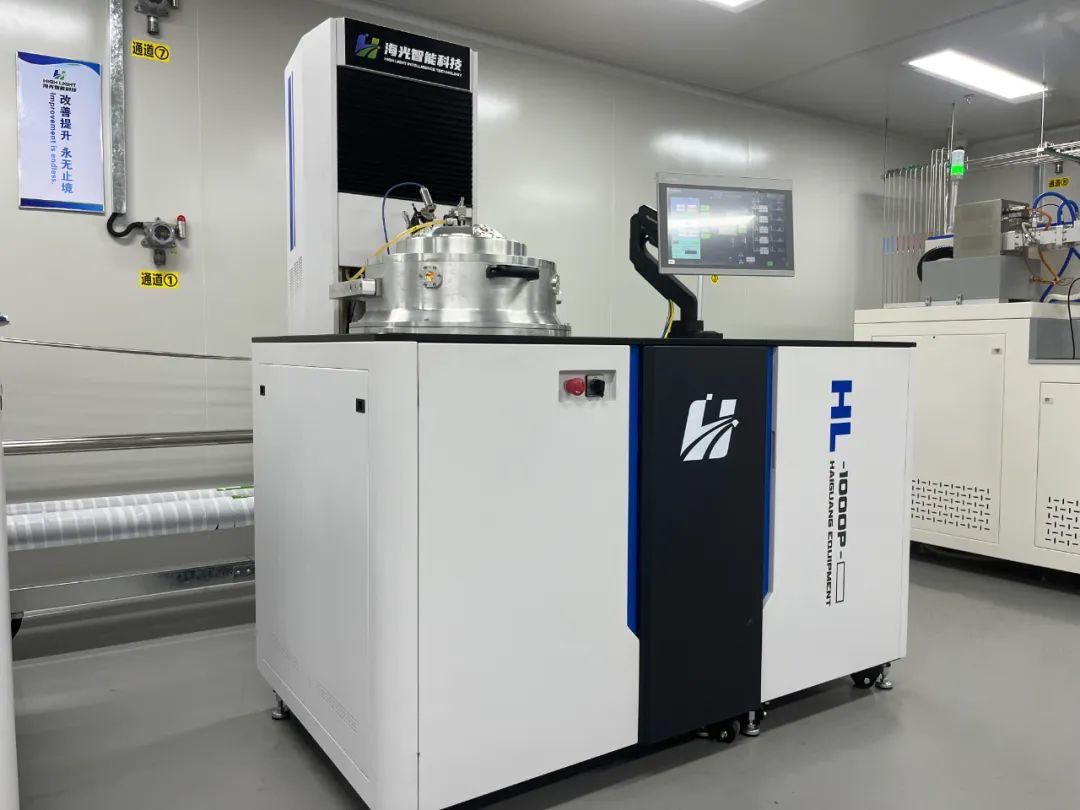
In terms of equipment, the new MPCVD 15kw equipment has a more reasonable design and can achieve higher temperatures and more precise control, thus improving the quality and performance of materials. In addition, the reactor materials have been optimized to withstand higher temperatures and have a longer service life.
In terms of process, researchers have successfully improved the deposition rate and purity of CVD blanks by optimizing reaction parameters, such as temperature, pressure, gas flow, etc. In addition, the application of intelligent and automated technology has also brought revolutionary changes to the manufacturing of CVD rough. By introducing advanced control systems and sensors, real-time monitoring and adjustment of the reaction process can be achieved, thereby improving production efficiency and reducing production costs.

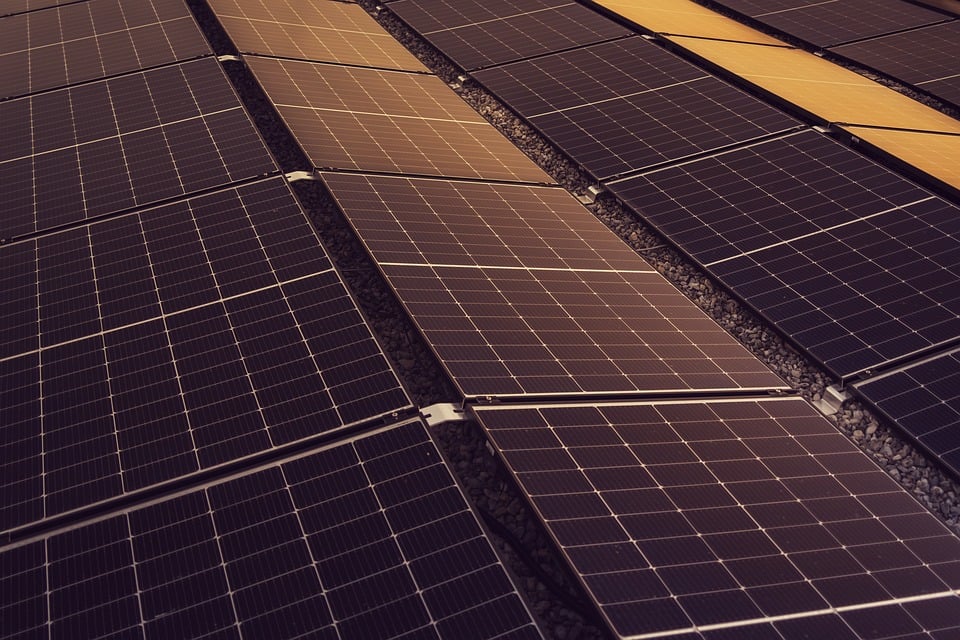
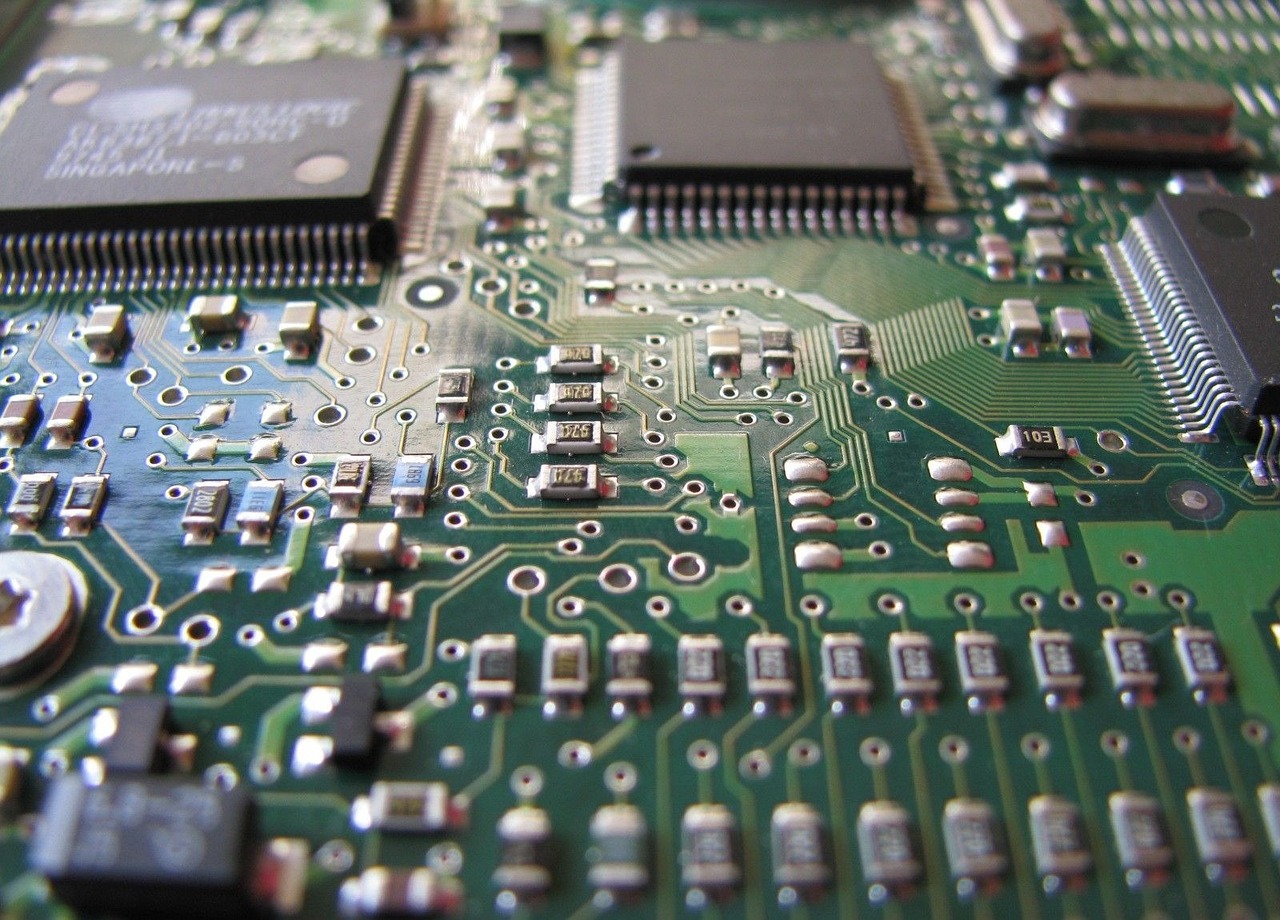
To sum up, the advanced manufacturing technology of CVD rough provides strong support for its application in many fields. With the continuous advancement of science and technology and the continuous growth of market demand, the application prospects of CVD rough will be broader. In the future, we expect more researchers and companies to devote themselves to this field and jointly promote the development and application innovation of CVD rough technology.
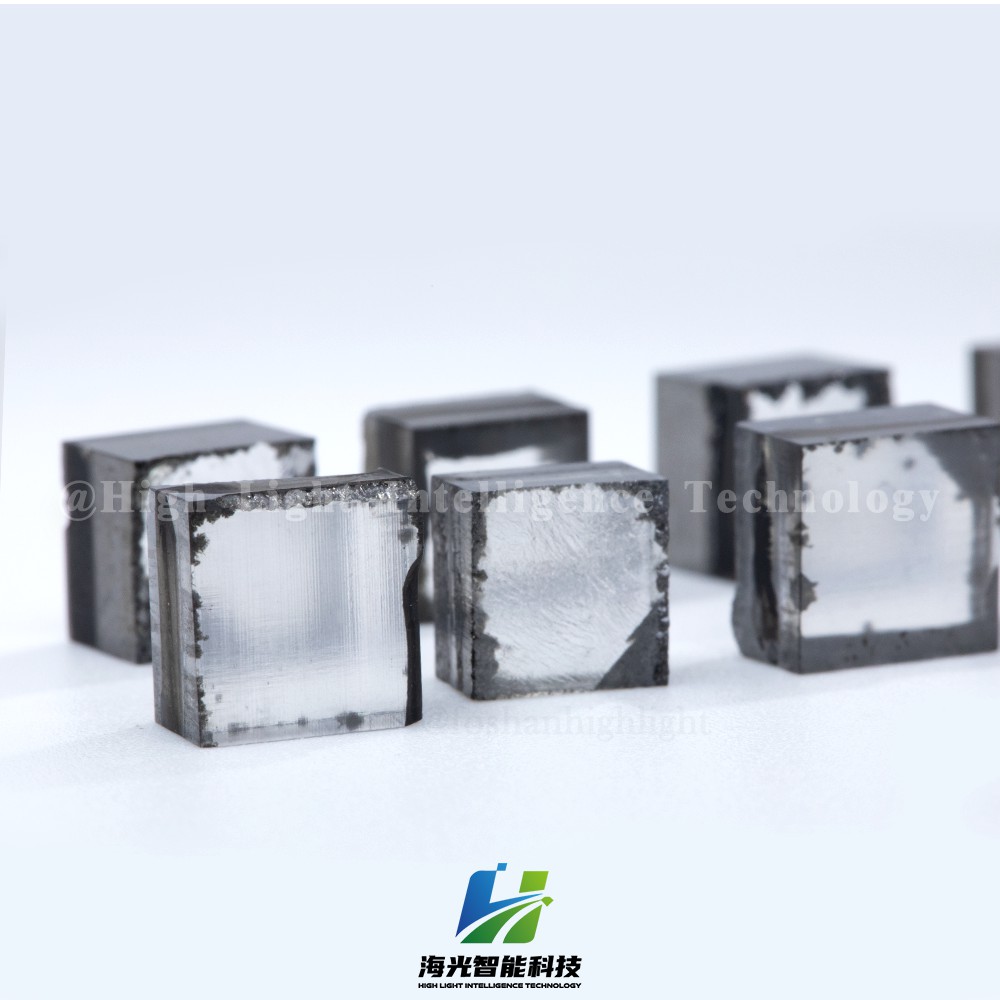

With MPCVD technology as its core, High Light Intelligence Technology has long been committed to the R&D and manufacturing of high-quality diamond materials and related equipment. It has advanced MPCVD equipment, laser processing equipment and precision polishing equipment. High Light Intelligence Technology's MPCVD technology equipment can produce high-quality diamond, thereby helping to improve the performance of integrated circuits. Our products and services are designed to provide customers with the best solutions to meet their needs for high quality diamond and integrated circuit performance.









-

CVD Single-Crystal Diamonds: An Analysis of the Complete Processing Workflow from Gas-Phase Deposition to Finished Diamond Chips
MPCVD (Microwave Plasma Chemical Vapor Deposition) technology is currently the core process for producing high-quality single-crystal diamond s. Thanks to its advantages of low defect rates, high purity, and controllable large dimensions, it is widely used in fields such as semiconductor heat dissipation, precision optics, and high-end sensors. The final quality of single-crystal diamond s depends on comprehensive process control throughout the entire workflow—from vapor deposition growth to pos
-
Single-Crystal or Polycrystalline Diamond — Which Has Greater Potential?
As diamond continues to enter industries such as semiconductors, thermal management, optics, high-power electronics, and precision machining, the requirements for diamond materials are also evolving.
-
Diamond Polishing and Grinding Processes: Core Challenges and Industry Hurdles
Diamond is often hailed as the “ultimate material” – ranking 10 on the Mohs hardness scale, boasting an ultra‑high thermal conductivity (~2,200 W/(m·K)), excellent chemical stability, and broad optical transparency. These properties make it irreplaceable in cutting‑edge applications such as semiconductor heat dissipation, high‑end optics, and quantum chips. Yet the paradox of “good materials are hard to process” is nowhere more evident than in diamond. From rough grinding for planarization to at
-
Single-Crystal vs Polycrystalline CVD Diamond: Process Difference Lies in Growth Logic, Not Equipment
The process difference between single crystal and polycrystalline CVD diamond lies not in equipment, but in growth logic. Single crystal and polycrystalline CVD diamond are two functional new materials with completely independent growth mechanisms, lattice structures and performance systems. Their process logic, product features and application boundaries diverge fundamentally from the very start of deposition and growth. Comparing or selecting materials without considering their underlying crys