- 中文
- English
- Español
Lab-grown diamonds: Price reduction does not mean that market demand is shrinking
2024-04-11 16:56:07
Click:
“
When studying the diamond industry, price is always a very important consideration because it directly reflects the supply and demand relationship in the market. Taking natural diamonds as an example, market demand exploded after the epidemic, causing diamond prices to continue to rise for as long as a year and a half. Later, market demand fell, and at the same time, a large number of loose diamonds poured into the downstream market from the midstream, resulting in an imbalance in supply and dem
”
When studying the diamond industry, price, as an important indicator of market supply and demand, cannot be ignored. Taking natural diamonds as an example, the surge in market demand after the epidemic caused prices to continue to rise within a year and a half. Subsequently, demand declined, and a large number of loose diamonds flooded into the downstream market, resulting in an imbalance between supply and demand and a sharp drop in prices.

In the lab-grown diamond market, price fluctuations have attracted much attention from the industry, and the media is keen to report on price reductions. Although the price of the sub-2ct plate is relatively stable, the continued decline in wholesale prices still causes market concerns. However, research reports show that sales of lab-grown diamonds are increasing year by year and the market size continues to expand. Although the data is not precise enough, forecast figures such as "annual growth of 9.4%" are still emerging one after another. The lab-grown diamond market is currently experiencing both price reduction and expansion.


Price reduction is an inevitable process after technology products are put on the market.
Daniel cited two cases in the article to illustrate this point.
The first is a flat screen TV. According to statistics from the National Retail Federation (NRF), the price of flat-panel TVs dropped by about 40% between 2018 and 2023 (as shown below). At the same time, the quality of flat-panel TVs continues to improve: clearer, larger screens, better sound output, etc.

The second is a digital camera. According to a set of data provided by Bloomberg, the price of digital cameras in the US market has dropped by about 87% since 2010 (as shown below). There are many reasons for this, including falling production costs, competition from smartphones, etc. But the market for digital cameras is still huge and has not disappeared because of this.

Trust with local consumers is the key to the success of lab-grown diamond retail.
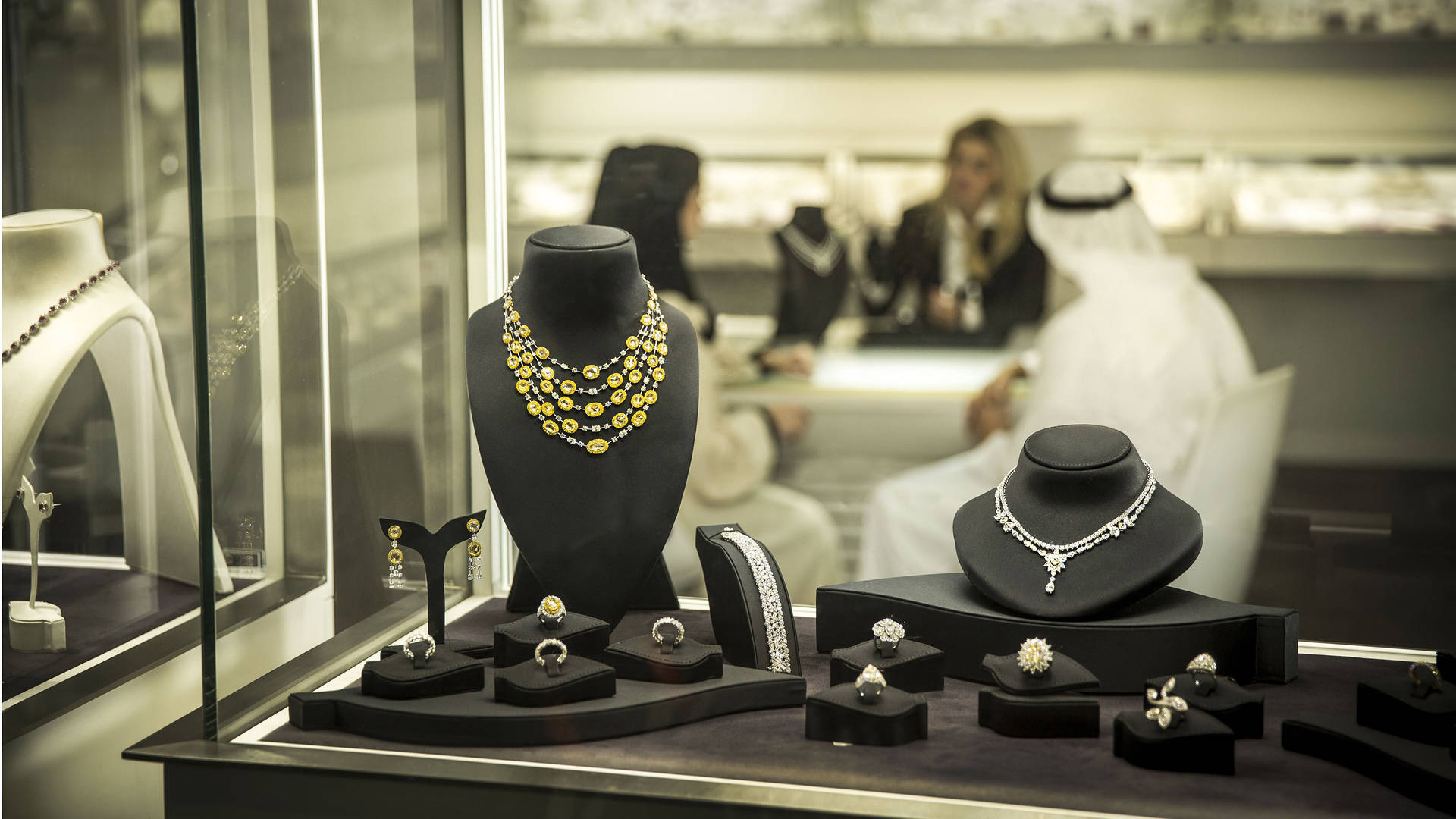
There is a long-established family-owned jewelry store in Willow Grove, Pennsylvania, that has weathered the storm. Later, Signet's Jared brand opened a new store next to it, echoing the Kay and Zales brands in the distance. Jared and Zales use a comprehensive marketing strategy to sell extensively online and offline, including lab-grown diamond jewelry. In the face of the strong expansion of big brands, small jewelry stores seem lonely, but they survive by relying on long-term neighborhood friendship. Not only that, it has also expanded its store and launched specialty lab-grown diamond jewelry. Nowadays, small stores coexist harmoniously with surrounding big brands, each showing different styles and meeting the diverse needs of customers.
Whether it is the development trend of the technology product market at the macro level or the maintenance of neighborhood relationships at traditional retail stores at the micro level, the current situation of the lab-grown diamond industry is showing a normal and positive trend. Price cuts are not a sign of market shrinkage, but may be a prelude to market mainstreaming. At the same time, they also promote industry reshuffle and high-quality companies stand out. Therefore, as the price of lab-grown diamonds becomes increasingly reasonable, more attention should be paid to improving product quality and services to meet consumer needs. Consumer demand is the core driving force for the development of the industry. Only by keeping pace with consumers and constantly innovating can we gain a foothold in the ever-changing market and continue to move forward.

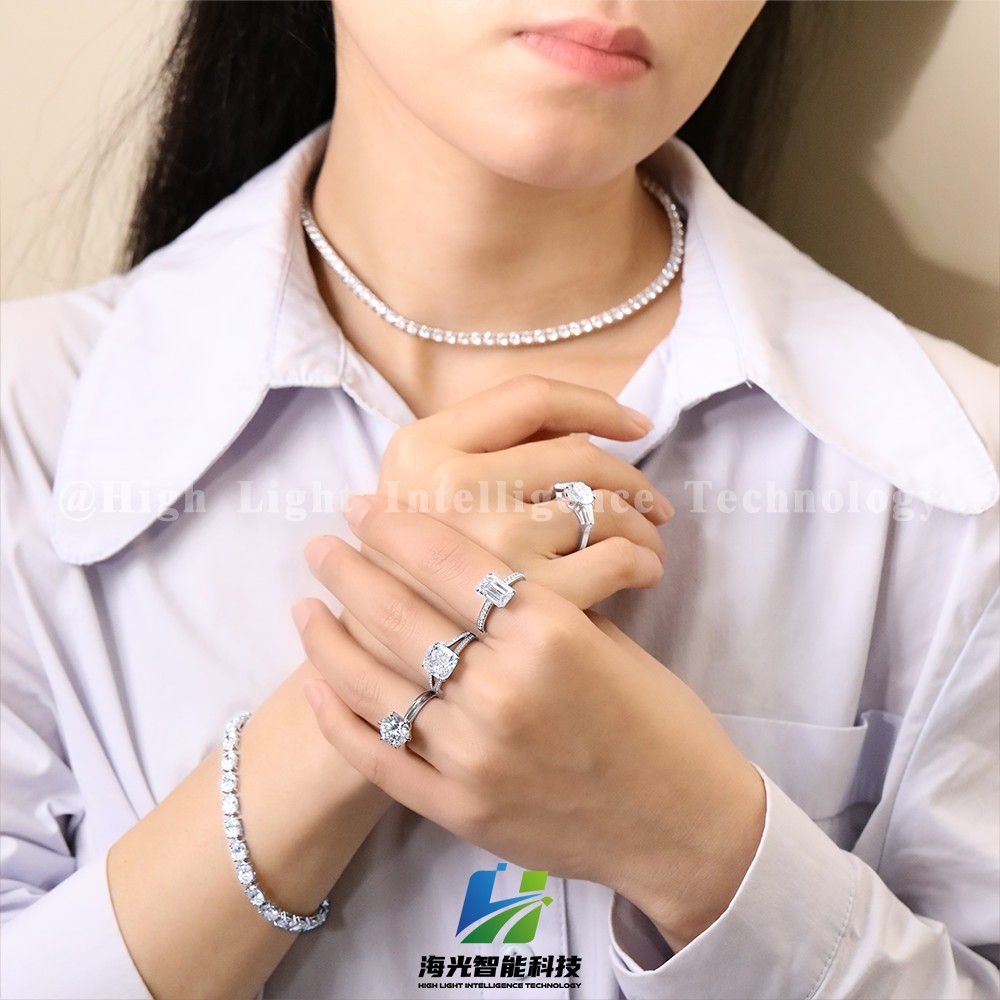
At High Light Intelligence Technology and its sub-brand KF·Deer, we know that every customer's pursuit of beauty is unique. Therefore, we specially provide private customization services for diamond jewelry, so that each diamond wedding ring can perfectly interpret your personality and taste, and be customized to be dazzling and beautiful just for you.
High Light Intelligence Technology is deeply involved in the field of cultivated diamonds, with independently developed MPCVD technology and equipment, as well as its own cultivated diamond factory. We are committed to using the power of science and technology to create high-quality, high-purity cultivated diamonds, which have won wide recognition in the market. We know that the pursuit of technology will never end, and High Light Intelligence Technology will continue to work hard to provide customers with better products and services and contribute to the development of the industry.









-

CVD Single-Crystal Diamonds: An Analysis of the Complete Processing Workflow from Gas-Phase Deposition to Finished Diamond Chips
MPCVD (Microwave Plasma Chemical Vapor Deposition) technology is currently the core process for producing high-quality single-crystal diamond s. Thanks to its advantages of low defect rates, high purity, and controllable large dimensions, it is widely used in fields such as semiconductor heat dissipation, precision optics, and high-end sensors. The final quality of single-crystal diamond s depends on comprehensive process control throughout the entire workflow—from vapor deposition growth to pos
-
Single-Crystal or Polycrystalline Diamond — Which Has Greater Potential?
As diamond continues to enter industries such as semiconductors, thermal management, optics, high-power electronics, and precision machining, the requirements for diamond materials are also evolving.
-
Diamond Polishing and Grinding Processes: Core Challenges and Industry Hurdles
Diamond is often hailed as the “ultimate material” – ranking 10 on the Mohs hardness scale, boasting an ultra‑high thermal conductivity (~2,200 W/(m·K)), excellent chemical stability, and broad optical transparency. These properties make it irreplaceable in cutting‑edge applications such as semiconductor heat dissipation, high‑end optics, and quantum chips. Yet the paradox of “good materials are hard to process” is nowhere more evident than in diamond. From rough grinding for planarization to at
-
Single-Crystal vs Polycrystalline CVD Diamond: Process Difference Lies in Growth Logic, Not Equipment
The process difference between single crystal and polycrystalline CVD diamond lies not in equipment, but in growth logic. Single crystal and polycrystalline CVD diamond are two functional new materials with completely independent growth mechanisms, lattice structures and performance systems. Their process logic, product features and application boundaries diverge fundamentally from the very start of deposition and growth. Comparing or selecting materials without considering their underlying crys