- 中文
- English
- Español
46% of Americans choose cultured diamonds for engagement rings, and the "true fragrance law" is popular
2024-05-30 17:28:23
Click:
“
The Knot, a well-known American wedding information website, released a retail market research report during Valentine's Day, with a sample range of nearly 10,000 American couples who are getting married in 2023. The report is complex and the engagement diamond ring section is closely related to the diamond industry (including natural diamonds and lab-grwon diamonds).
”
For ordinary people in any country, getting married is an important but extremely expensive event, and some families will even be destitute. There are many things that require money for marriage. Take jewelry for example. If the Chinese prefer the "three golds" because they are pragmatic, then Europeans and Americans prefer wedding rings because they are obsessed with the sense of ceremony. The Knot, a famous American creative wedding planning website, released a research report on the wedding market in 2023 on Valentine's Day this year. The sample range is nearly 10,000 American couples who will get married in 2023.


Although the styles of rings have changed a lot in recent years, diamonds are still the most popular engagement ring main stone (chosen by 85% of couples). Since 2015, the proportion of choosing diamonds as the main ring stone has increased by 10%, while the proportion of choosing diamonds as the accessory stone has decreased by 12%. It seems that the colored gemstones that have been in the limelight in the past two years still need to work hard~
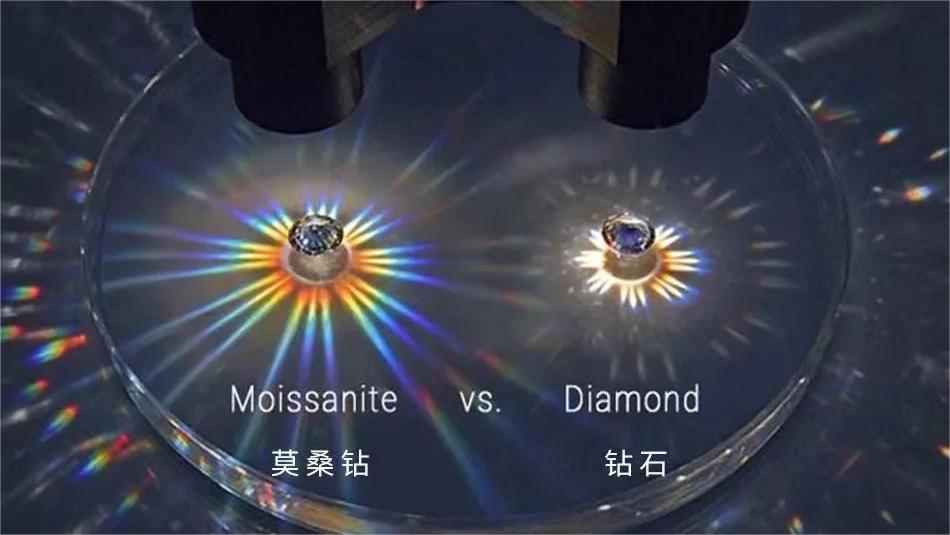
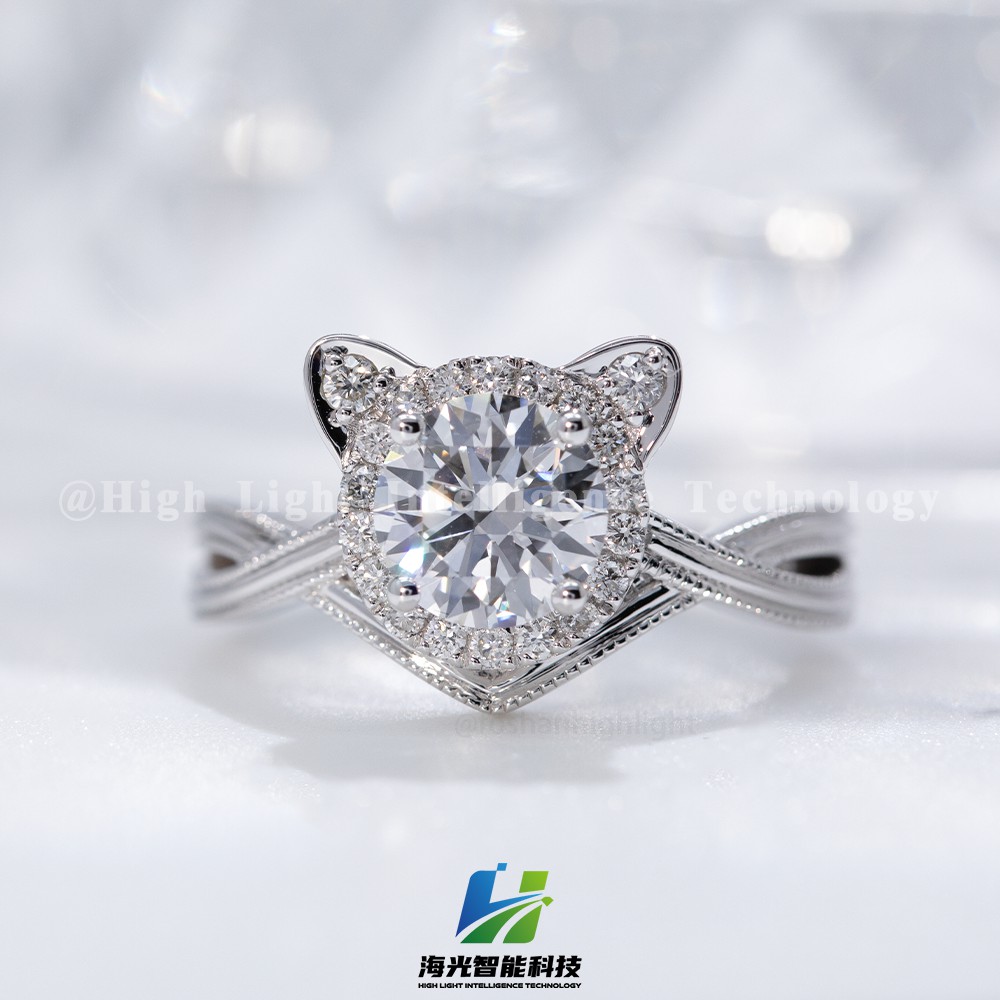
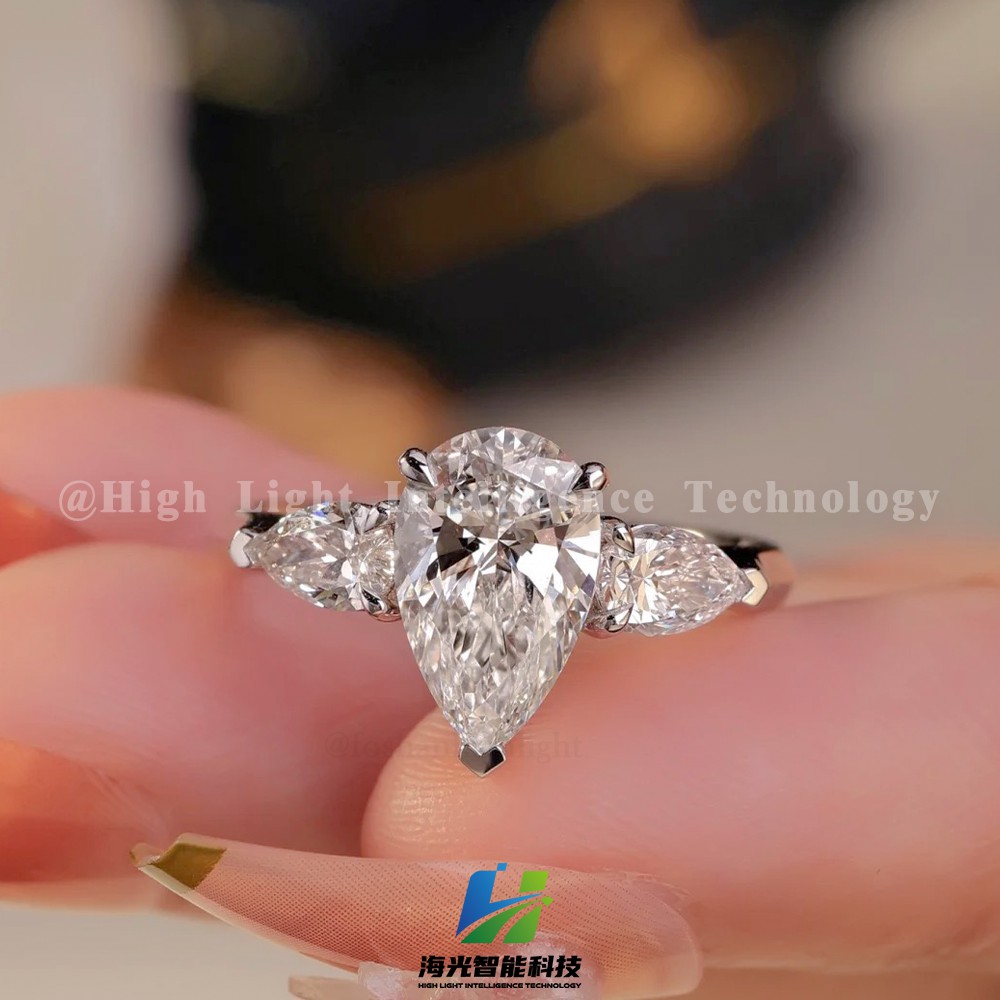
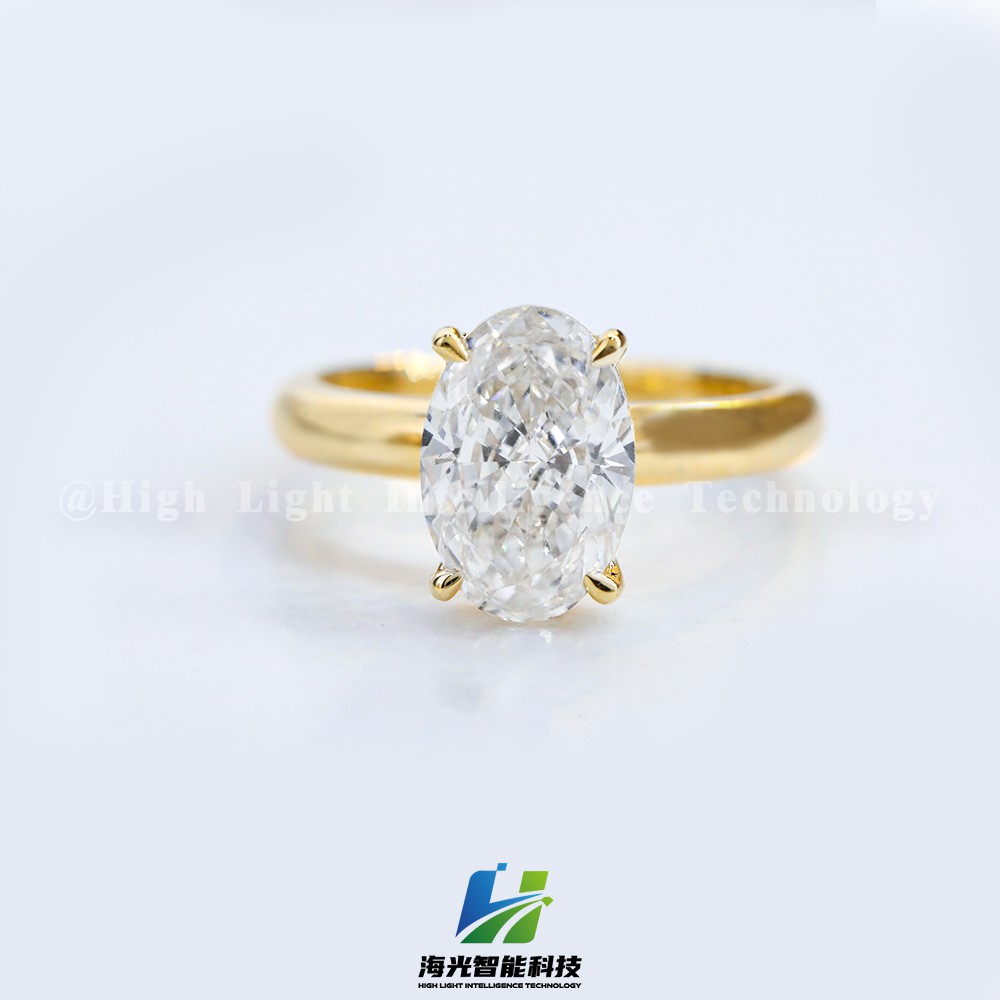
There is no doubt that round is still the most popular shape of engagement ring gemstones, although it has dropped from 49% to 34% compared with previous years. In addition, oval (23%) and pear (8%) have been on the rise in the past eight years. This is consistent with the aesthetic preference of domestic friends for round shapes when choosing diamonds or colored gemstones.
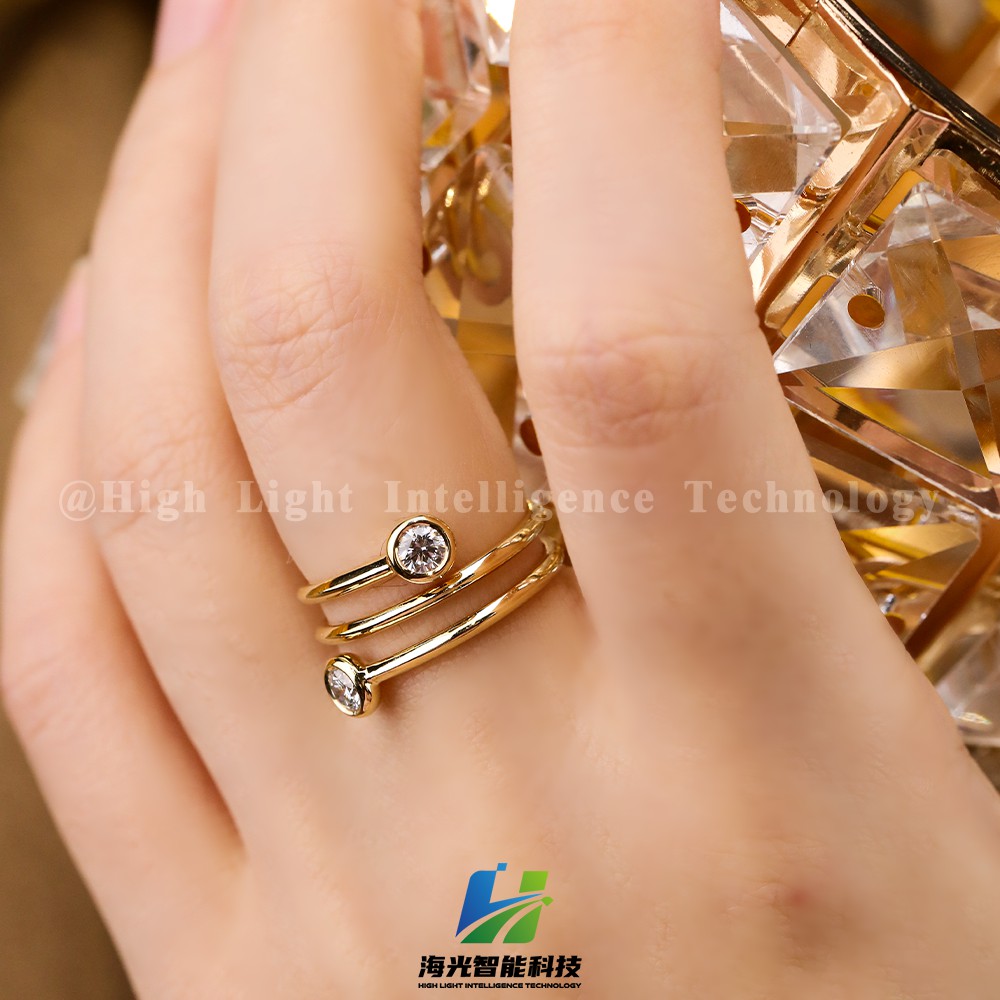
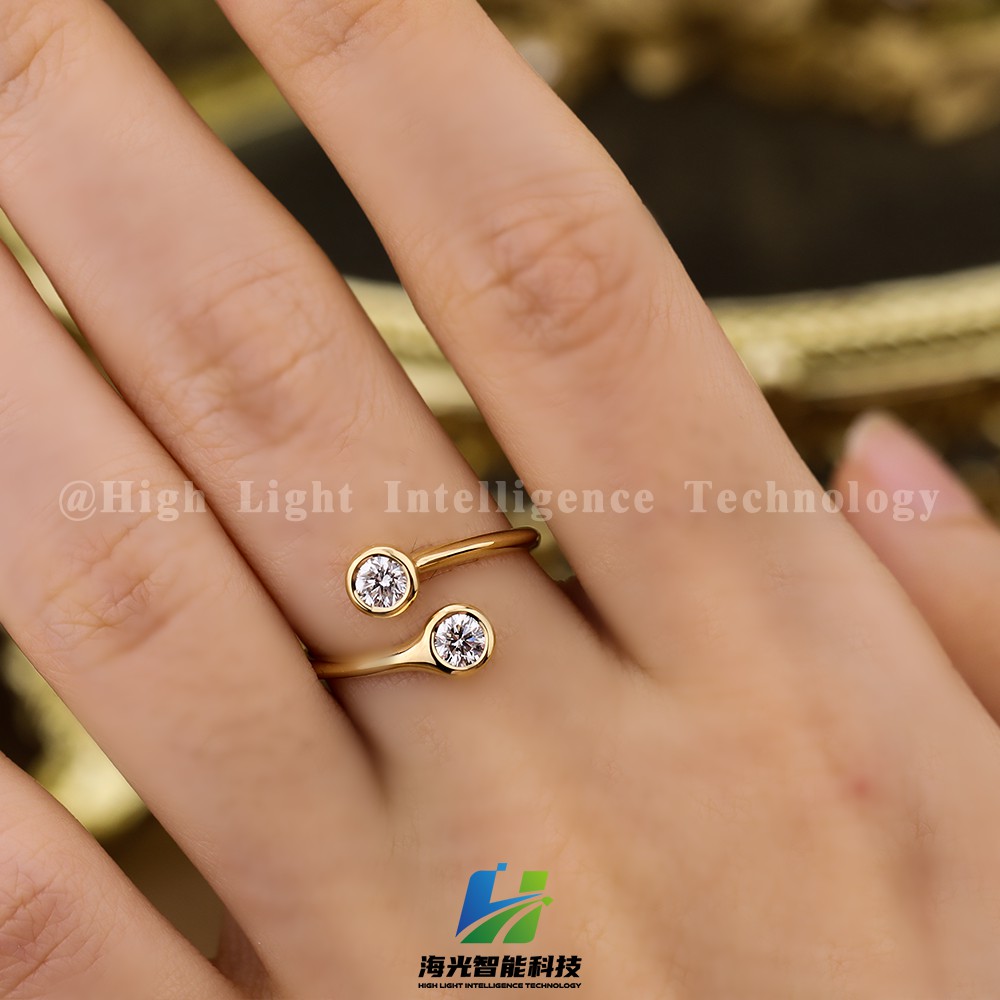
Although white gold is still the mainstream material for engagement rings (accounting for 39%), the popularity of yellow gold is rising, accounting for 31% of the market, and has increased by 15% compared with three years ago. However, it should be noted that yellow gold is still more picky about skin color.
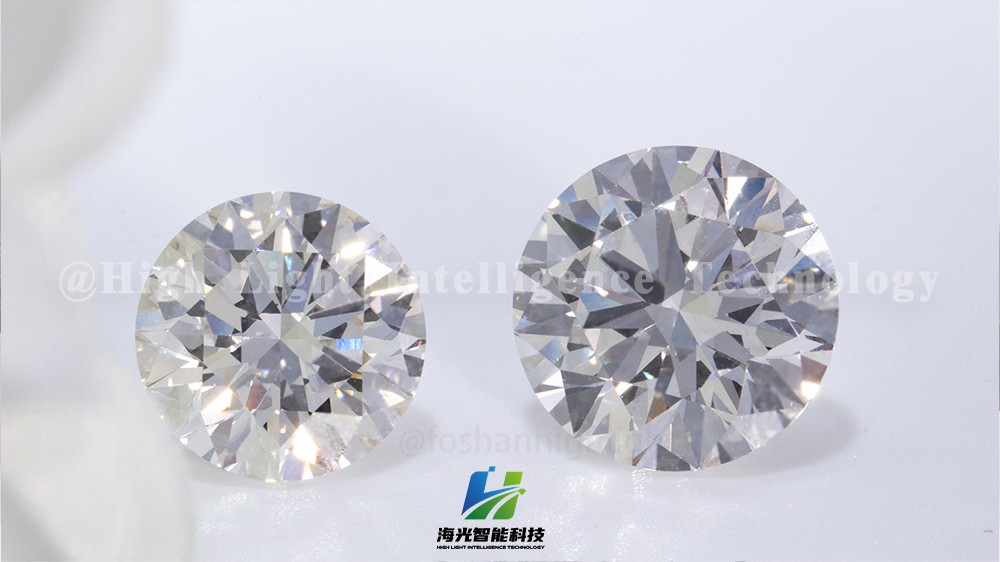
In 2023, 1 in 3 diamond engagement rings will have a total diamond weight of more than 2 carats (including side stones), which is 10% higher than in 2019. Lab-grown diamonds have a greater impact on this, with an average weight of more than 1.9 carats.
About a third of newlyweds say it is important for them to have a lab-grown diamond, up 17% from 2019. In fact, nearly half (46%) of engagement rings in 2023 will feature lab-grown diamonds, about four times the proportion in 2019 (12%). The United States is always at the forefront of marketing, and of course the main reason is - it's cheap.










-

CVD Single-Crystal Diamonds: An Analysis of the Complete Processing Workflow from Gas-Phase Deposition to Finished Diamond Chips
MPCVD (Microwave Plasma Chemical Vapor Deposition) technology is currently the core process for producing high-quality single-crystal diamond s. Thanks to its advantages of low defect rates, high purity, and controllable large dimensions, it is widely used in fields such as semiconductor heat dissipation, precision optics, and high-end sensors. The final quality of single-crystal diamond s depends on comprehensive process control throughout the entire workflow—from vapor deposition growth to pos
-
Single-Crystal or Polycrystalline Diamond — Which Has Greater Potential?
As diamond continues to enter industries such as semiconductors, thermal management, optics, high-power electronics, and precision machining, the requirements for diamond materials are also evolving.
-
Diamond Polishing and Grinding Processes: Core Challenges and Industry Hurdles
Diamond is often hailed as the “ultimate material” – ranking 10 on the Mohs hardness scale, boasting an ultra‑high thermal conductivity (~2,200 W/(m·K)), excellent chemical stability, and broad optical transparency. These properties make it irreplaceable in cutting‑edge applications such as semiconductor heat dissipation, high‑end optics, and quantum chips. Yet the paradox of “good materials are hard to process” is nowhere more evident than in diamond. From rough grinding for planarization to at
-
Single-Crystal vs Polycrystalline CVD Diamond: Process Difference Lies in Growth Logic, Not Equipment
The process difference between single crystal and polycrystalline CVD diamond lies not in equipment, but in growth logic. Single crystal and polycrystalline CVD diamond are two functional new materials with completely independent growth mechanisms, lattice structures and performance systems. Their process logic, product features and application boundaries diverge fundamentally from the very start of deposition and growth. Comparing or selecting materials without considering their underlying crys