- 中文
- English
- Español
Structural Adjustment of the Diamond Industry: New Challenges and Opportunities
2024-07-03 09:46:20
Click:
“
What the diamond industry is facing now is not a simple fluctuation in supply and demand, but a profound structural adjustment.
”
Recently, the diamond industry is quietly undergoing a structural adjustment while responding to market challenges. Faced with global economic fluctuations, changes in consumer preferences and competition from lab-grown diamonds, some diamond merchants have begun to turn their attention to the semiconductor industry to seek new growth points.
The diamond industry is undergoing profound structural adjustments, rather than simple fluctuations in supply and demand. Its development can be summarized into four stages: the original disorder period (before 1888), the resource power adjustment period (1888-1940s), the rapid growth period (driven by the concept of "eternity", 1940s-early 21st century), and the post-epidemic challenge period (early 21st century-present). After De Beers' marketing transformation, the natural diamond market relied on its existing advantages, encountered economic turmoil and the impact of cultivated diamonds, and social evaluation was disturbed. Each stage is accompanied by fluctuations in supply, demand and prices, and the root cause lies in structural changes.
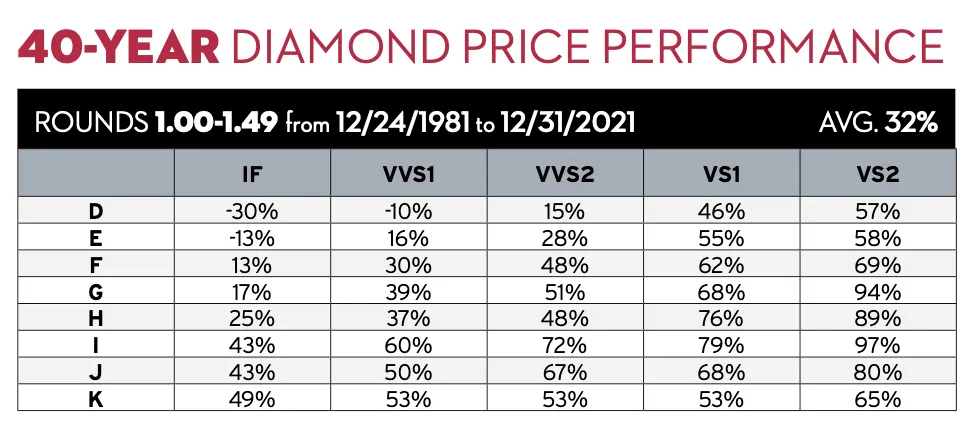
The expected recovery of the Chinese market after the epidemic has not come, but has fallen into recession. There are three reasons: the deteriorating economic environment and the sluggish real estate and stock markets have led to a decline in the purchasing power of the middle class; the rise of lab-grown diamonds has changed consumer perceptions; political tensions between the East and the West have intensified resistance to imported goods, and the worship of diamonds for value preservation has shifted to the pursuit of cost-effectiveness. Although high-net-worth individuals still prefer luxury goods, they also accept affordable options.
The global promotion of lab-grown diamonds, especially in the United States, has shaken the natural diamond market, which accounts for 52%. The United States accounts for more than half of the sales, triggering heated debates in the industry on environmental protection, sustainable development, and industry reform. This trend has caused similar conflicts in many parts of the world, reflecting the clash of values between traditional and emerging forces.












-

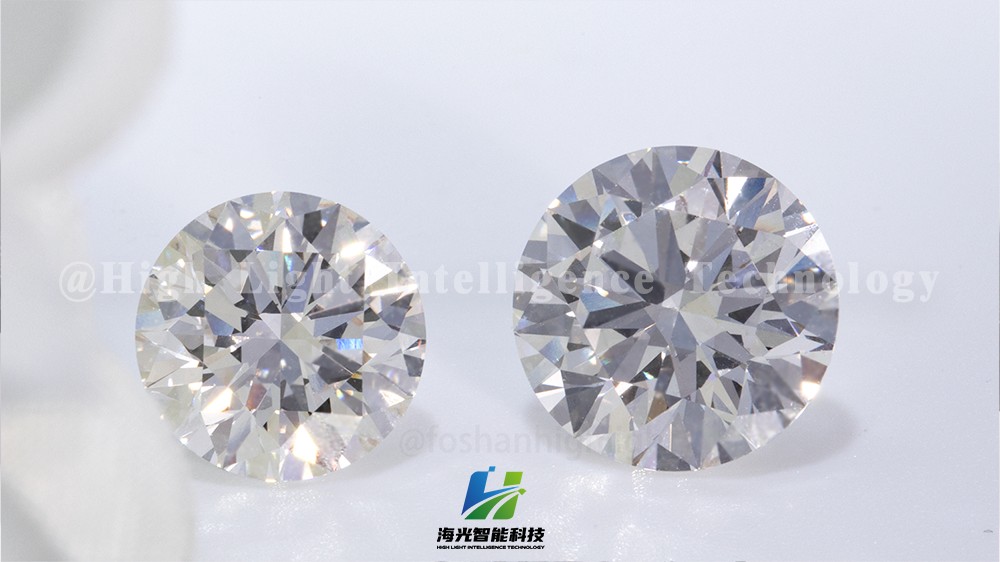
Vintage Trend: Champagne & Cognac Diamond Color Guide
Recently, vintage aesthetics have continued to sweep the global jewelry industry, with Victorian court styles, Edwardian vintage jewelry, and European-style vintage bridal jewelry making a comeback. Champagne-colored diamonds, with their naturally soft luster, have risen in popularity, perfectly complementing the elegant heritage of vintage jewelry. Having broken out of niche collector circles, they have taken the jewelry markets of Europe, the United States, and Southeast Asia by storm. Thanks
-
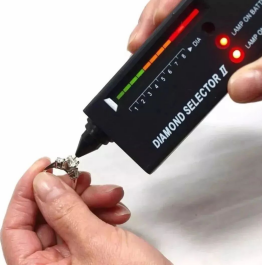
The Ultimate Guide to Diamond Testers: Everything You Need to Know About Use and Selection
A diamond tester is a portable electronic instrument that distinguishes diamonds from other materials based on differences in thermal conductivity. It is typically shaped like a thick pen or a small remote control, with a fine metal sensing probe at the tip.
-
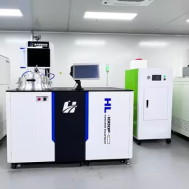
A Guide to CVD Diamond Mass Production
In recent years, MPCVD technology has continued to demonstrate its technical advantages, including the ability to grow high-purity Type IIa diamonds, precise and controllable color, support for mass production of large-size wafers, and suitability for high-end semiconductor applications. Thanks to its unique product and process advantages, it has become the leading production solution in two key global markets: affordable luxury jewelry and high-end electronic heat dissipation. An increasing num
-
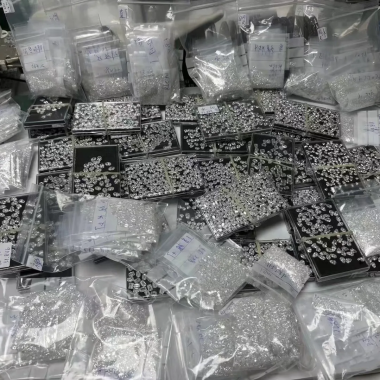
Do Melee Diamonds Have Grading? Why Don't the Lab-Grown Melee Diamonds You Buy Come with 4C Certificates?
Many people wonder when customizing a lab-grown diamond ring or shopping for pavé-set jewelry: "The center stone comes with an IGI certificate clearly stating its color, clarity, and cut. What about the surrounding small melee diamonds? Do they have a grading?"