- 中文
- English
- Español
High Light 10/15kw MPCVD equipment center temperature adjustment, temperature is more uniform!
2024-10-16 09:31:05
Click:
“
With the rapid development of technology today, High Light Intelligence Technology leads the industry with its self-developed MPCVD equipment. Its 10/15KW equipment has unique temperature control technology, precise temperature adjustment, and uniform distribution, which greatly improves the quality and efficiency of diamond cultivation.
”
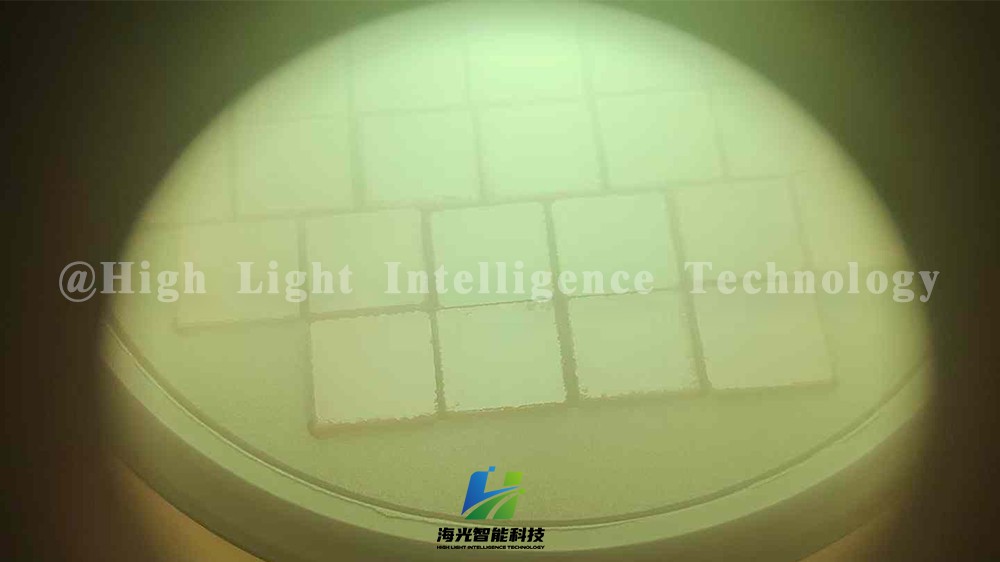
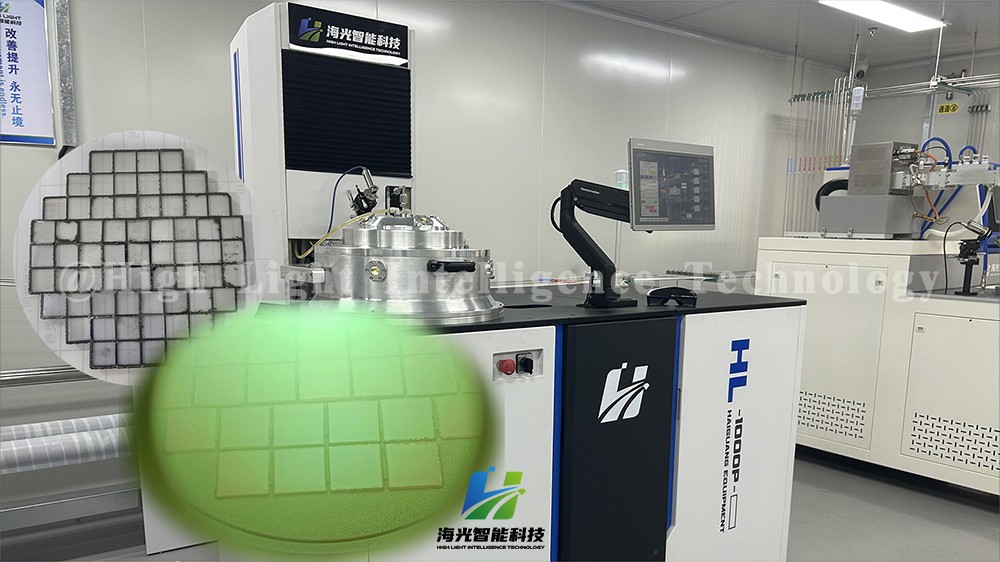
High Light Intelligence Technology's MPCVD equipment has excellent performance and stability, and has been recognized by the diamond manufacturing field. Temperature control is extremely critical in the diamond cultivation process. In the past, the equipment often affected the quality of diamond roughs due to uneven temperature distribution. High Light's 10/15KW MPCVD equipment, with its innovative design, has achieved precise control of the center temperature and uniform distribution of the overall temperature, effectively solving this problem.
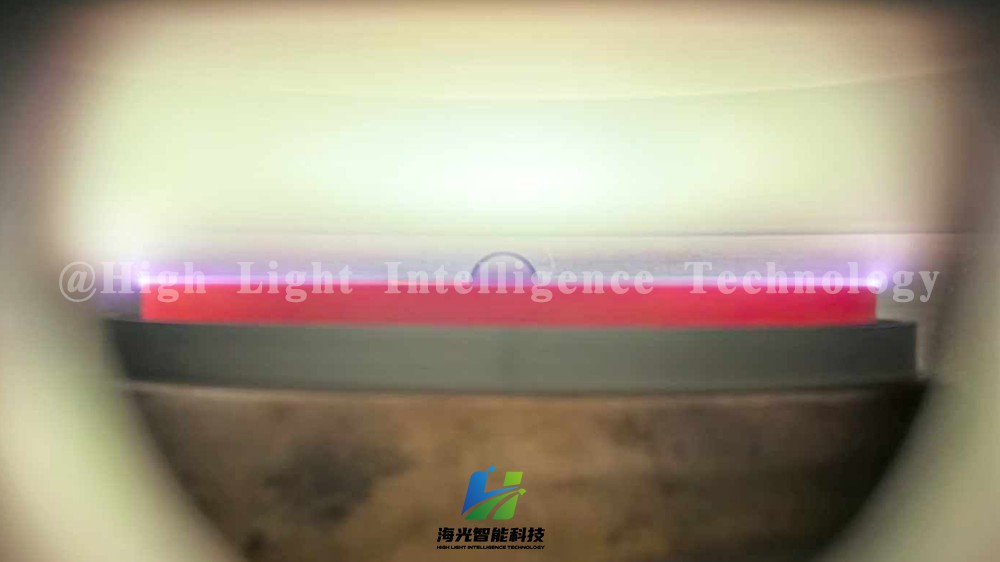
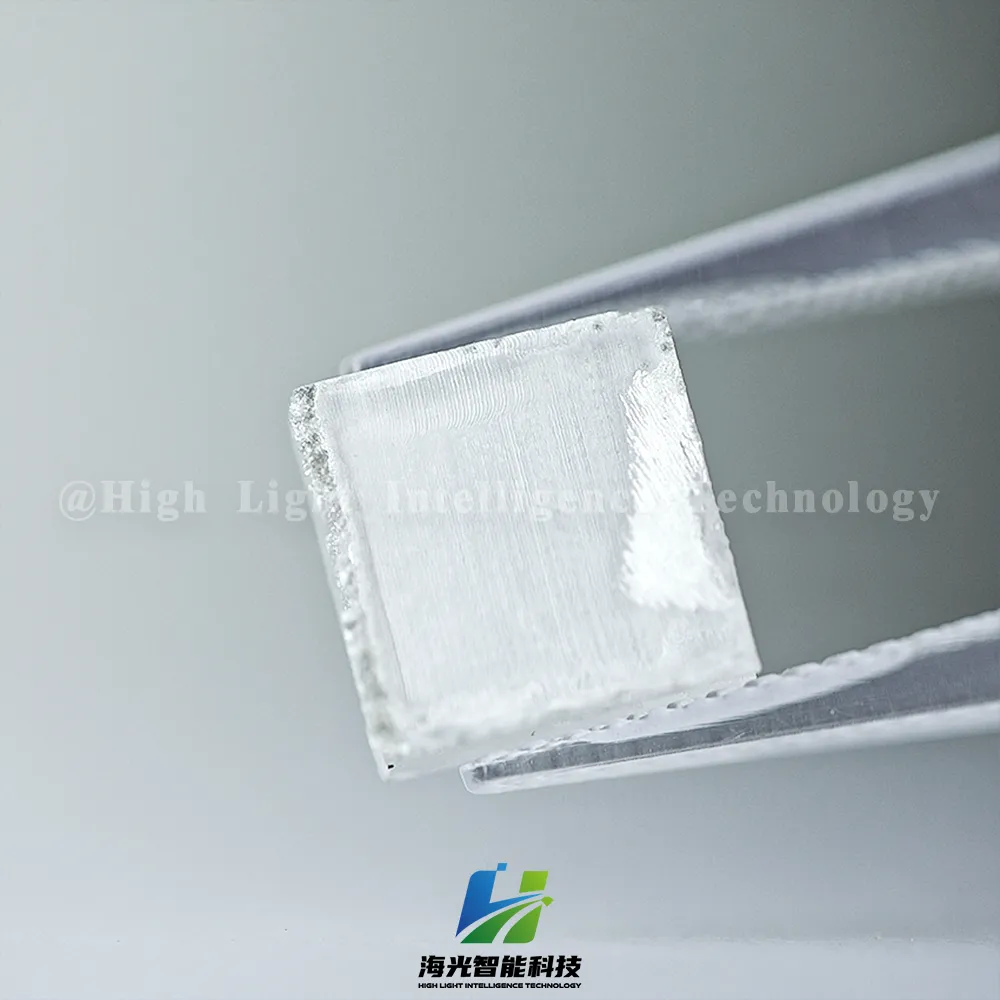
High Light MPCVD equipment adopts advanced temperature control technology, and the rough diamonds produced are of high quality, pure color, hardness and wear resistance, which improves the quality of finished products and enriches the choices of jewelry companies. At the same time, the equipment is efficient and stable, significantly reducing costs and increasing profit margins for the company.
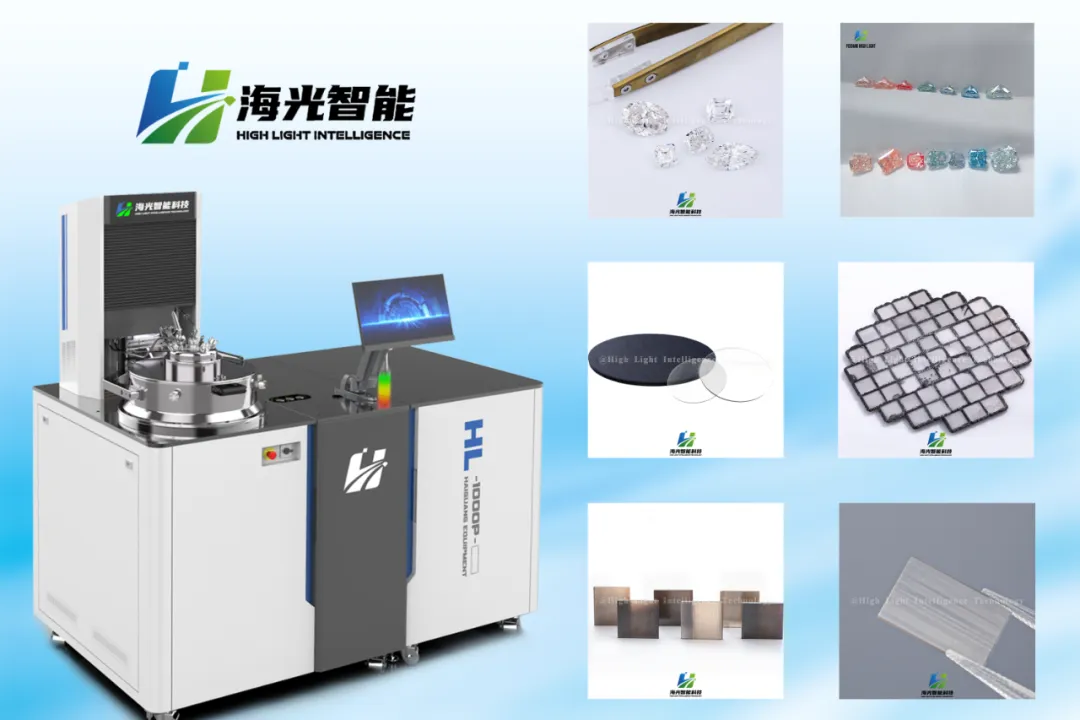
High Light Intelligence Technology will continue to innovate CVD diamond technology, strive to make breakthroughs in diamond semiconductor and chip applications, promote the development of domestic chip technology, and expand cooperation in the lab-grown diamond market. Its 10/15KW MPCVD equipment has set an industry benchmark, and it looks forward to continuing to lead the industry and provide better products and services.









-

Foshan Highlight Intelligent Technology invites you to the 140th Canton Fair—join us at Booth 21.2A23-24 in the Friendship Hall to share in the brilliance.
Foshan Highlight Intelligent Technology invites you to the 140th Canton Fair—join us at Booth 21.2A23-24 in the Friendship Hall to share in the brilliance.
-
CVD Single-Crystal Diamonds: An Analysis of the Complete Processing Workflow from Gas-Phase Deposition to Finished Diamond Chips
MPCVD (Microwave Plasma Chemical Vapor Deposition) technology is currently the core process for producing high-quality single-crystal diamond s. Thanks to its advantages of low defect rates, high purity, and controllable large dimensions, it is widely used in fields such as semiconductor heat dissipation, precision optics, and high-end sensors. The final quality of single-crystal diamond s depends on comprehensive process control throughout the entire workflow—from vapor deposition growth to pos
-
Single-Crystal or Polycrystalline Diamond — Which Has Greater Potential?
As diamond continues to enter industries such as semiconductors, thermal management, optics, high-power electronics, and precision machining, the requirements for diamond materials are also evolving.
-
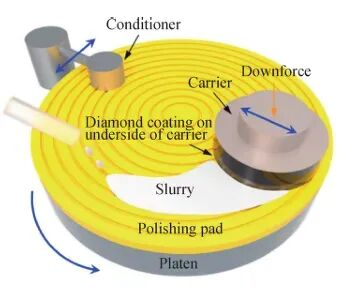
Diamond Polishing and Grinding Processes: Core Challenges and Industry Hurdles
Diamond is often hailed as the “ultimate material” – ranking 10 on the Mohs hardness scale, boasting an ultra‑high thermal conductivity (~2,200 W/(m·K)), excellent chemical stability, and broad optical transparency. These properties make it irreplaceable in cutting‑edge applications such as semiconductor heat dissipation, high‑end optics, and quantum chips. Yet the paradox of “good materials are hard to process” is nowhere more evident than in diamond. From rough grinding for planarization to at