- 中文
- English
- Español
How does High Light's CVD diamond rough become exquisite diamonds?
2024-12-25 09:57:43
Click:
“
In the dazzling world of jewelry, diamonds have become the treasures that countless people dream of with their unique brilliance and eternal value. High Light Intelligence Technology, as a pioneer in CVD diamond technology, has successfully transformed diamond roughs into exquisite diamond jewelry with its independently developed MPCVD technology. Today, let's reveal how we turn CVD diamond roughs into exquisite diamonds.
”
In the dazzling world of jewelry, diamonds have become the treasures that countless people dream of with their unique brilliance and eternal value. High Light Intelligence Technology, as a pioneer in CVD diamond technology, has successfully transformed diamond roughs into exquisite diamond jewelry with its independently developed MPCVD technology. Today, let's reveal how we turn CVD diamond roughs into exquisite diamonds.
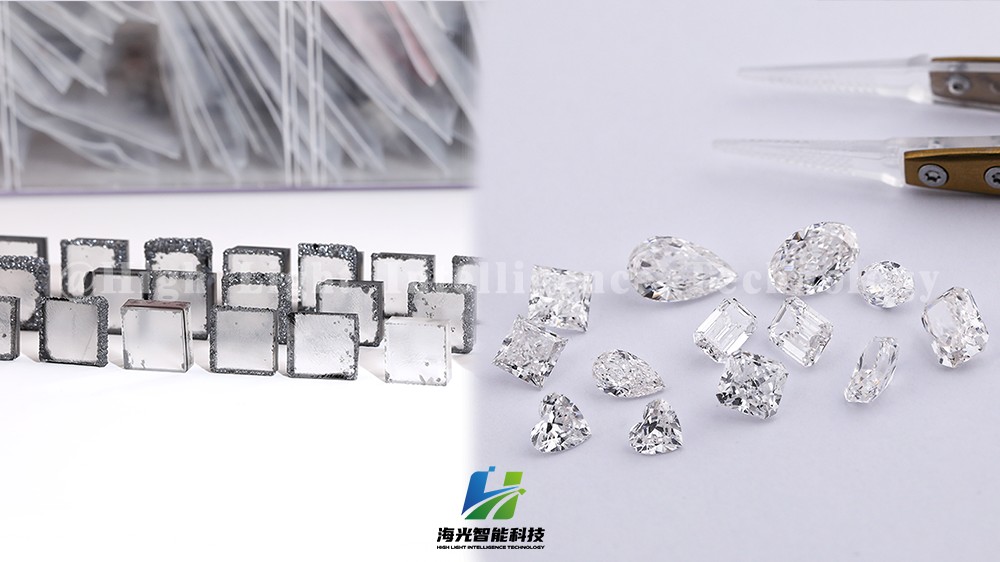
In the high-standard dust-free environment of High Light Intelligence Technology, the development of each diamond is a combination of technology and aesthetics. After the diamond seed is placed in the MPCVD equipment, its growth process starts immediately. Through the precise proportion and regulation of hydrogen, nitrogen, methane and other gases, at a specific temperature and pressure, carbon-containing ion groups accumulate layer by layer on the surface of the seed, like finely stacked snowflakes, and finally condense into a diamond rough.
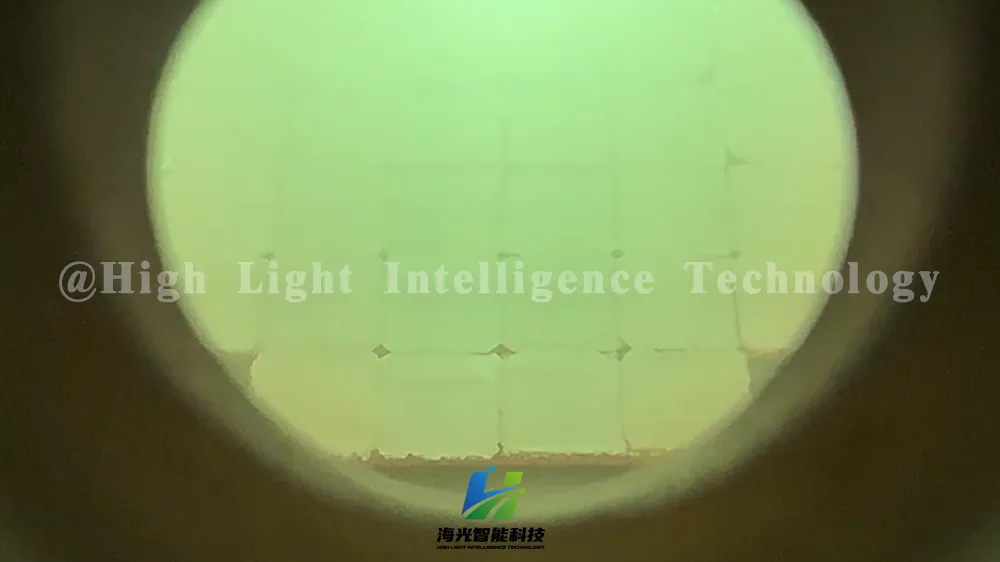
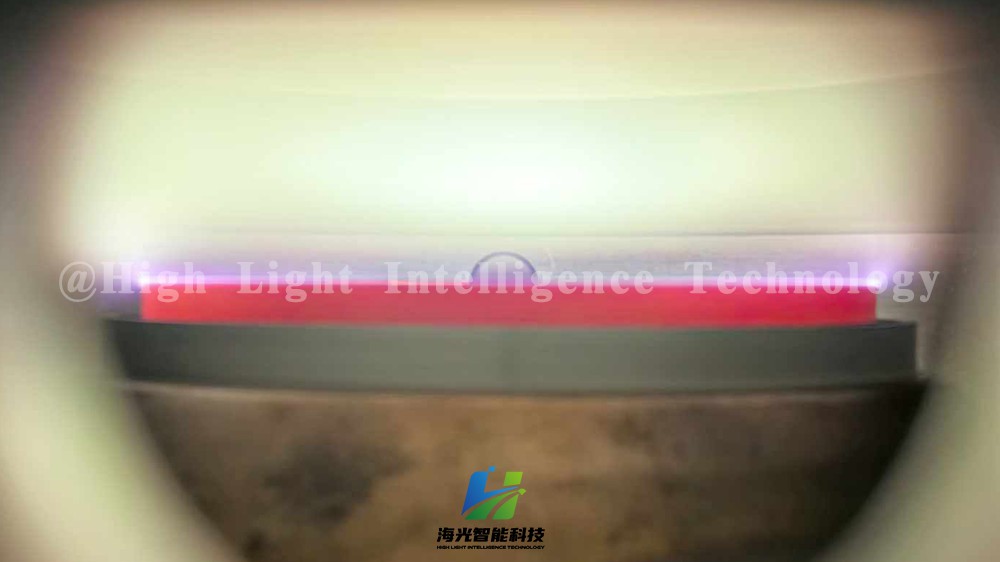
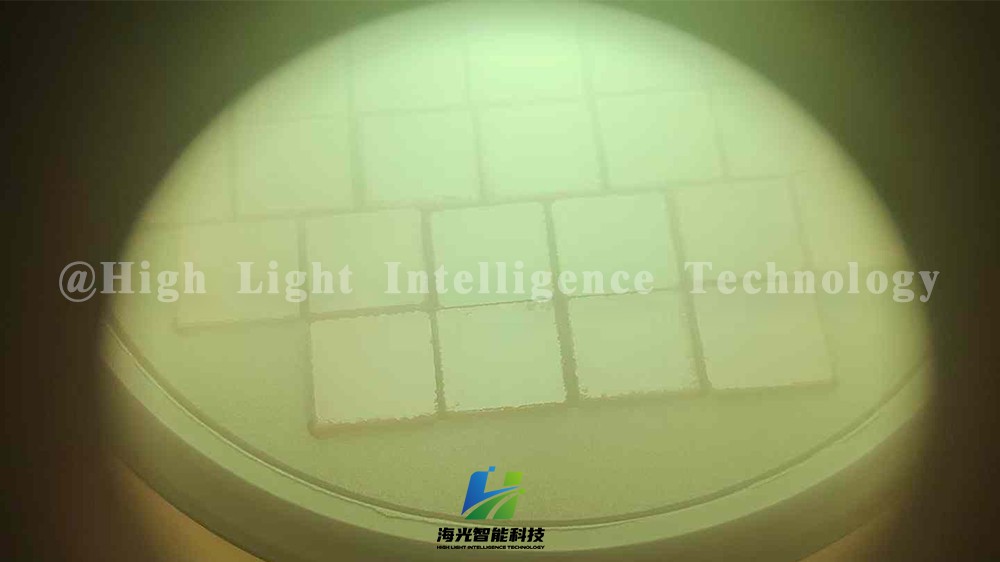

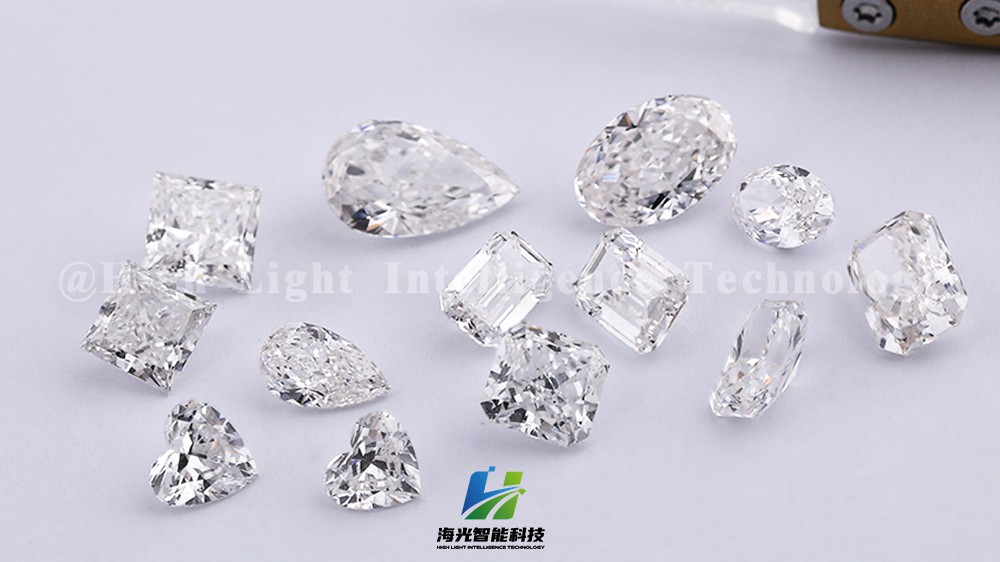
Cutting and polishing turn rough diamonds into exquisite diamonds. The professional team of High Light Intelligence Technology formulates the best cutting plan based on the characteristics of the rough diamonds, giving the diamonds a unique shape and brilliant fire.
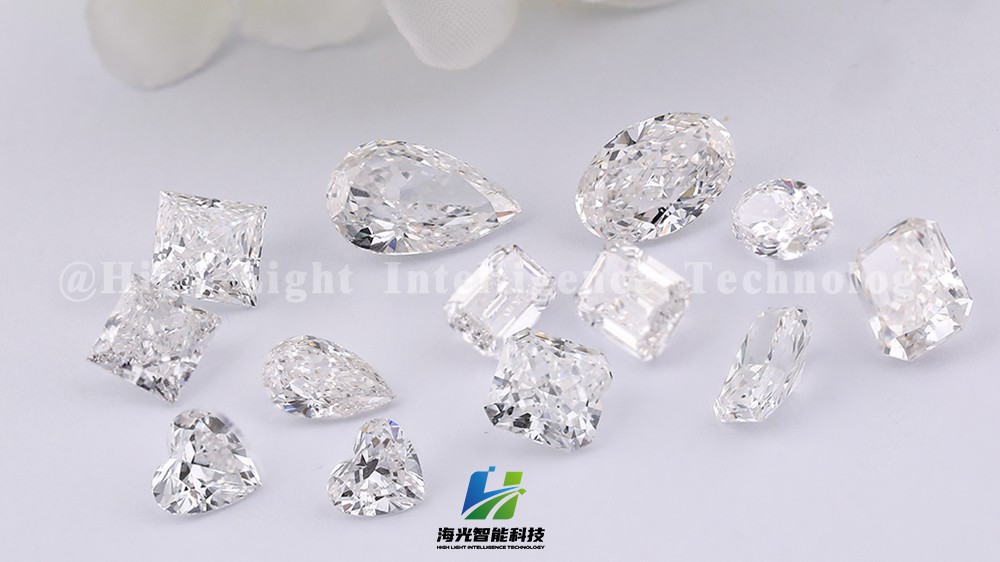
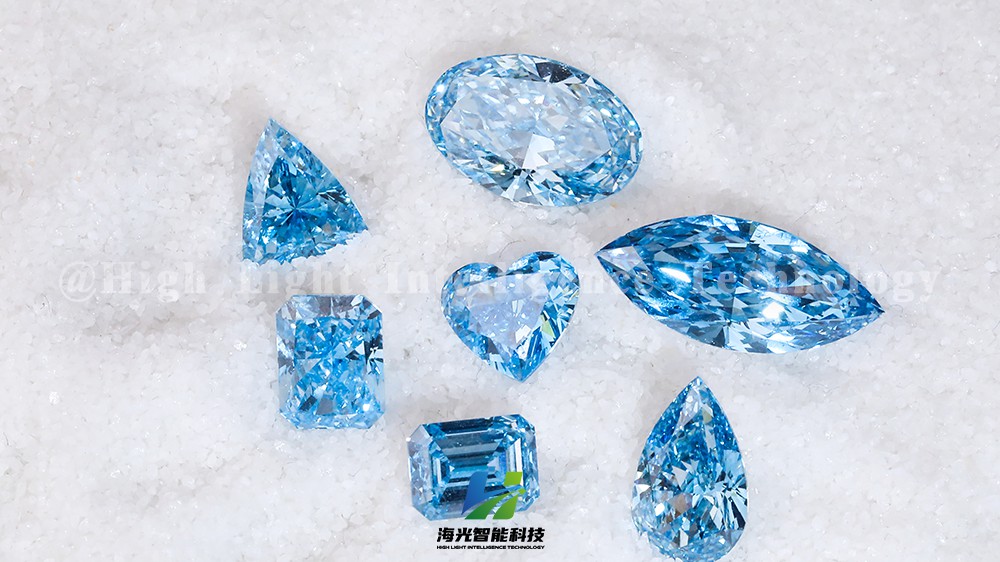
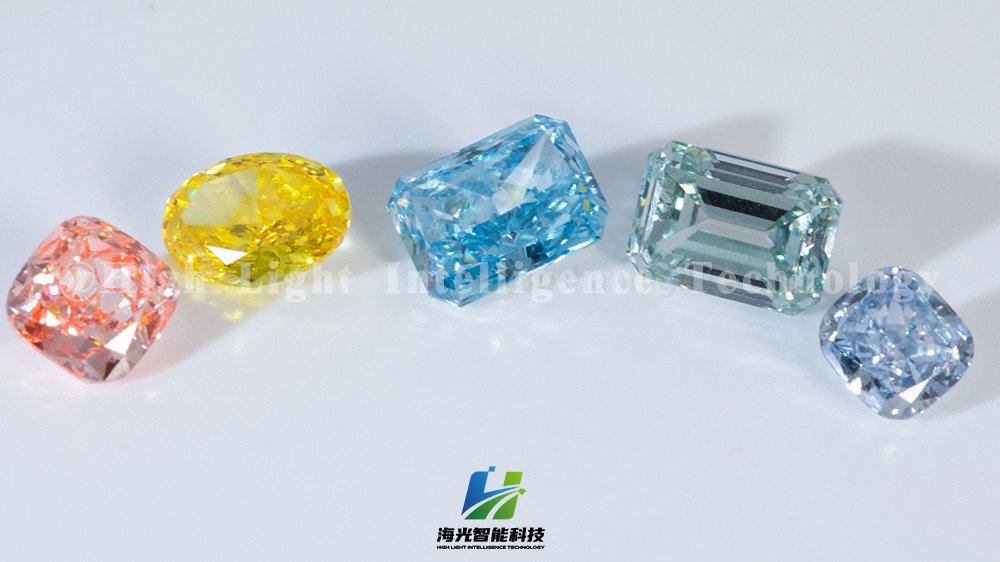
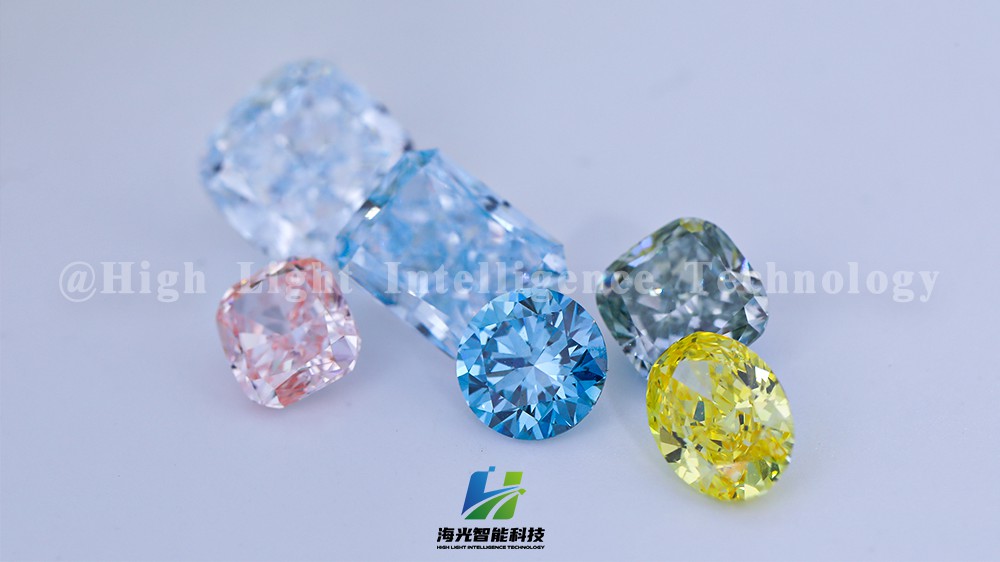
High Light Intelligence Technology has also made breakthroughs in the research and development of colored diamonds. It has cultivated red, yellow, pink, blue and green colored diamonds. The clarity of colored diamonds can reach VVS-VS level like white diamonds, and the color can be customized. These colored diamonds enrich the color of diamonds and provide more choices.
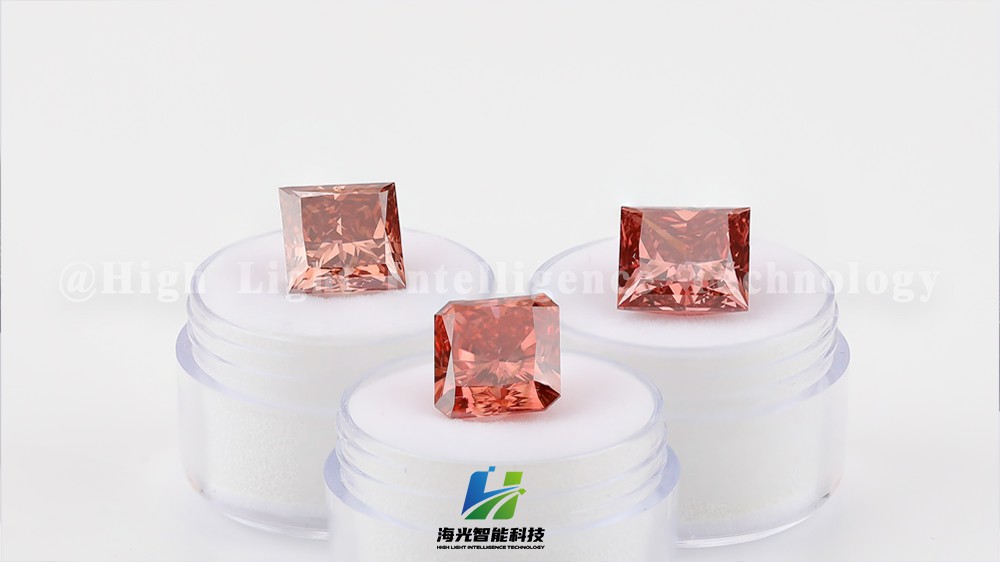
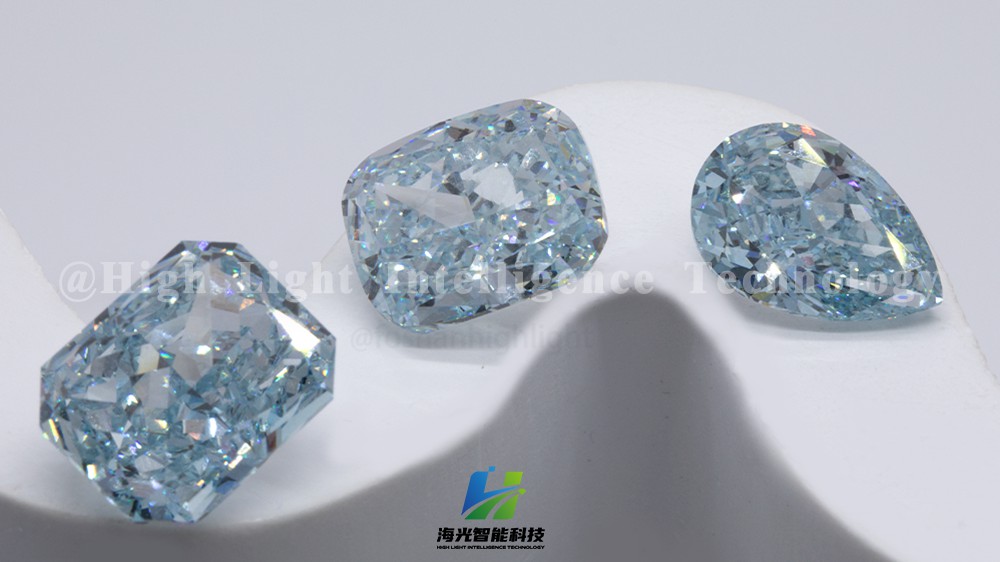
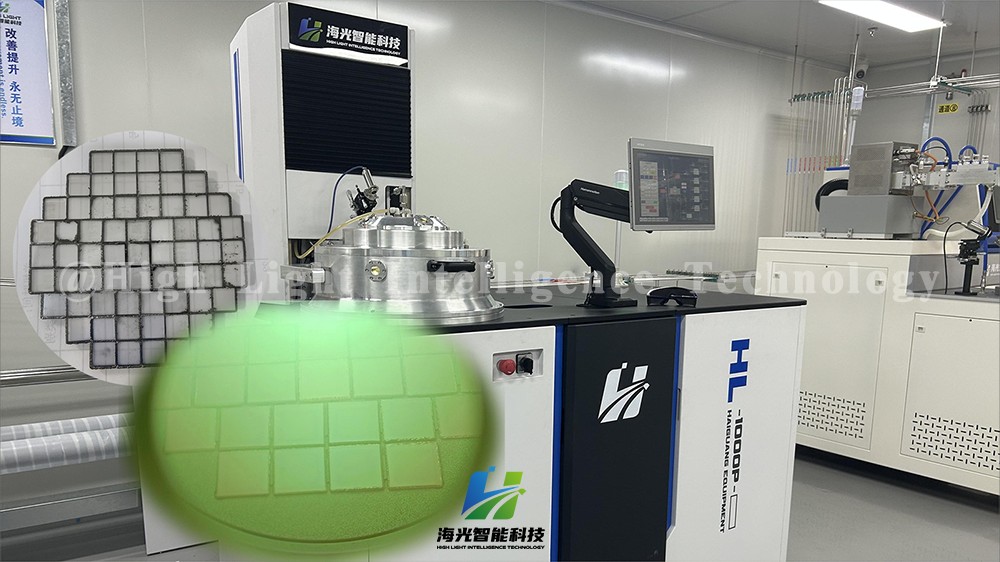
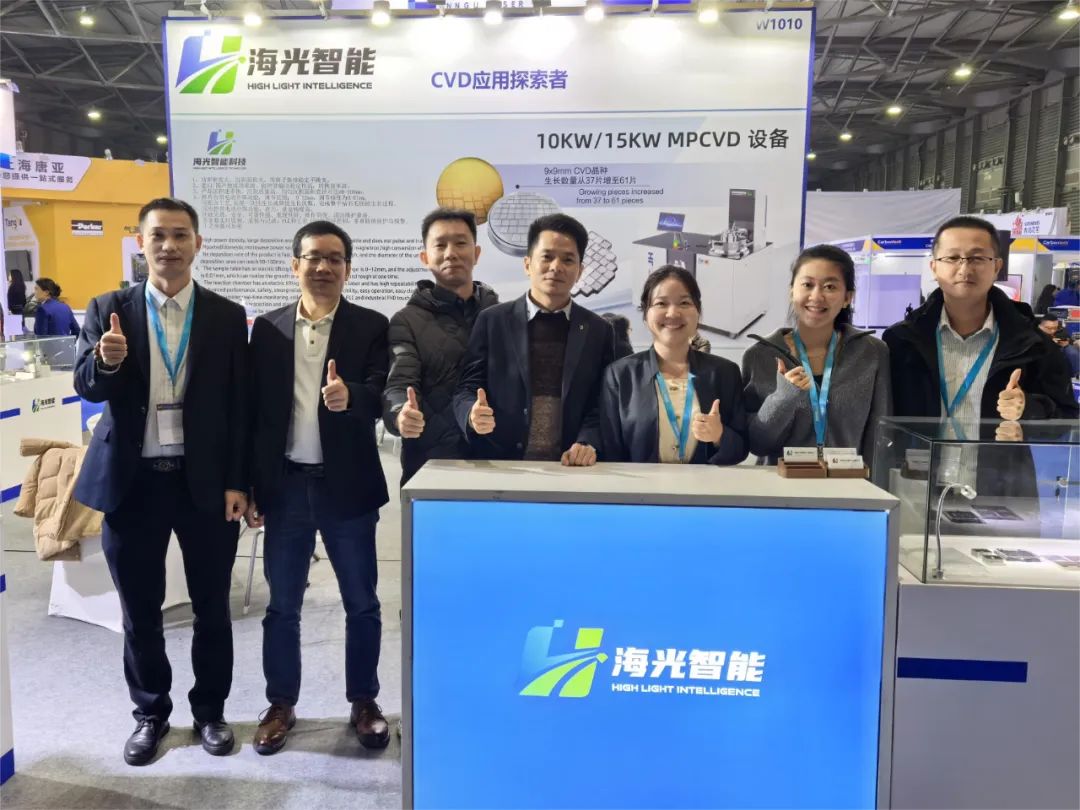
High Light Intelligence Technology, a pioneer in the CVD diamond industry, has advanced MPCVD technology and CVD diamond production workshops. We focus on producing high-purity lab-grown diamonds for the jewelry industry, and at the same time create industrial-grade CVD diamond products, covering single crystals, polycrystalline, films and diamond surface metallization. We also provide 6kw/10kw/15kw MPCVD equipment to help customers in all aspects, from equipment to products, and then to all-round services, to create brilliance together.









-

CVD Single-Crystal Diamonds: An Analysis of the Complete Processing Workflow from Gas-Phase Deposition to Finished Diamond Chips
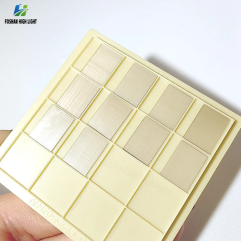
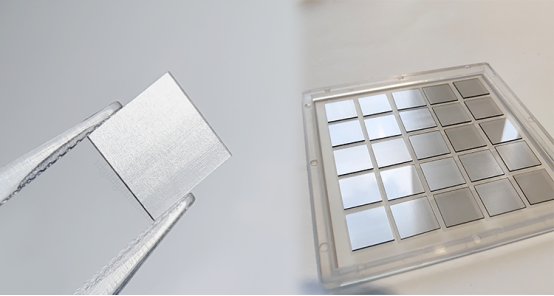
MPCVD (Microwave Plasma Chemical Vapor Deposition) technology is currently the core process for producing high-quality single-crystal diamond s. Thanks to its advantages of low defect rates, high purity, and controllable large dimensions, it is widely used in fields such as semiconductor heat dissipation, precision optics, and high-end sensors. The final quality of single-crystal diamond s depends on comprehensive process control throughout the entire workflow—from vapor deposition growth to pos
-
Single-Crystal or Polycrystalline Diamond — Which Has Greater Potential?
As diamond continues to enter industries such as semiconductors, thermal management, optics, high-power electronics, and precision machining, the requirements for diamond materials are also evolving.
-
Diamond Polishing and Grinding Processes: Core Challenges and Industry Hurdles
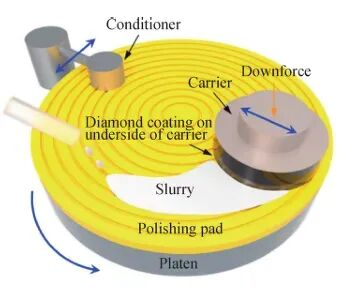
Diamond is often hailed as the “ultimate material” – ranking 10 on the Mohs hardness scale, boasting an ultra‑high thermal conductivity (~2,200 W/(m·K)), excellent chemical stability, and broad optical transparency. These properties make it irreplaceable in cutting‑edge applications such as semiconductor heat dissipation, high‑end optics, and quantum chips. Yet the paradox of “good materials are hard to process” is nowhere more evident than in diamond. From rough grinding for planarization to at
-
Single-Crystal vs Polycrystalline CVD Diamond: Process Difference Lies in Growth Logic, Not Equipment
The process difference between single crystal and polycrystalline CVD diamond lies not in equipment, but in growth logic. Single crystal and polycrystalline CVD diamond are two functional new materials with completely independent growth mechanisms, lattice structures and performance systems. Their process logic, product features and application boundaries diverge fundamentally from the very start of deposition and growth. Comparing or selecting materials without considering their underlying crys