- 中文
- English
- Español
Is it worthwhile to put lab-grown diamonds in jewelry stores?
2023-07-04 16:04:15
Click:
“
In recent years, with the continuous advancement of artificially cultivated diamond technology, its chroma and clarity are also superior to natural diamonds, and more and more consumers are turning to buy lab grown diamond products, which ,to a certain extent,creates pressure to natural diamonds .
”
In recent years, with the continuous advancement of artificially cultivated diamond technology, its chroma and clarity are also superior to natural diamonds, and more and more consumers are turning to buy lab grown diamond products, which ,to a certain extent,creates pressure to natural diamonds .
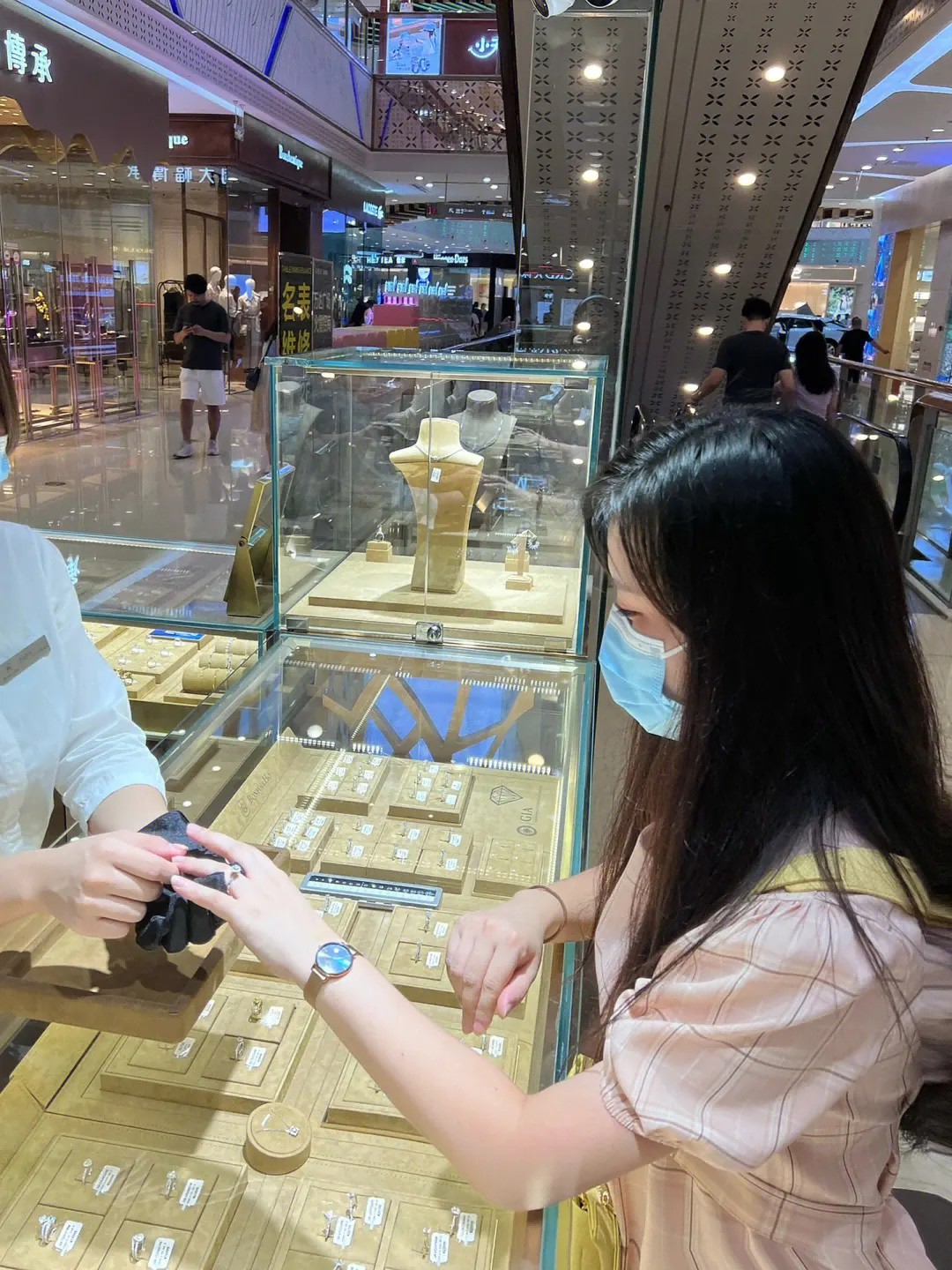
The "Cultivated Diamond Jewelry Industry White Paper" pointed out that ,there's still no lab diamond industry giant in China to take the absolute lead, so domestic brands have great potential. We are optimistic about the rise of domestic lab diamonds. From the perspective of demand, the consumption of lab diamonds has shown four major consumption trends-"younger, more pleasing, more daily, and more diverse". Among them, consumers' willingness to buy diamonds to please themselves accounts for 41%, which is stronger than the demand for marriage. This means that the main consumption scene of diamonds in the future may jump out of the traditional wedding scene and cause a new trend -self-pleasing diamond consumption.
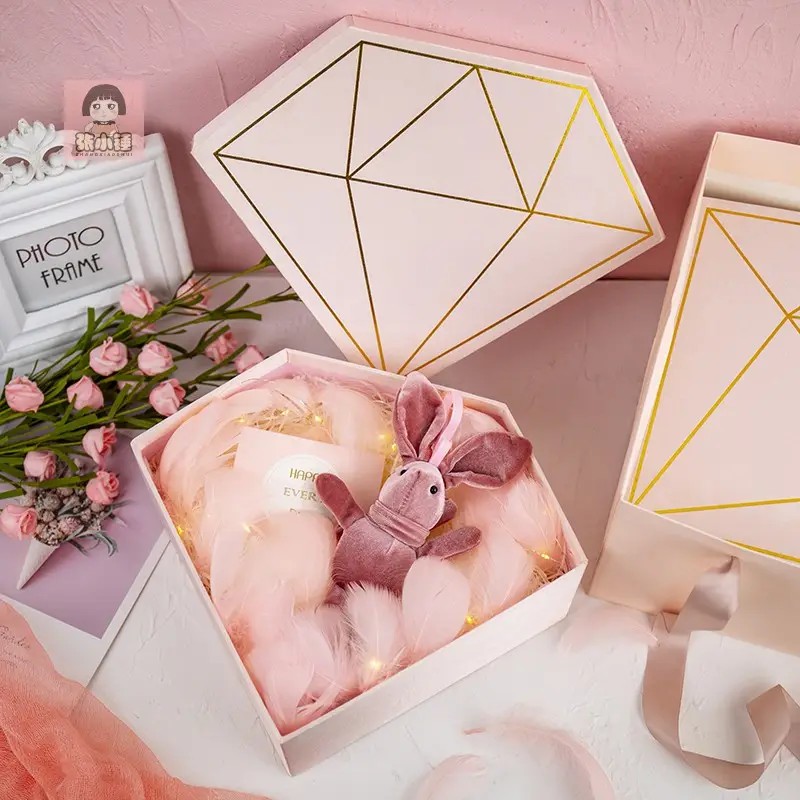
Taking China as an example, according to statistics from the Ministry of Civil Affairs, the number of marriages in China began to decline year by year from 2014, reaching 13.4693 million couples in 2013, falling below the 10 million in 2019, and falling below the 8 million in 2021 . In 2022, the number of marriage registrations nationwide decreased 803,000 pairs compared with the previous year, a decrease rate is about 10.5%.
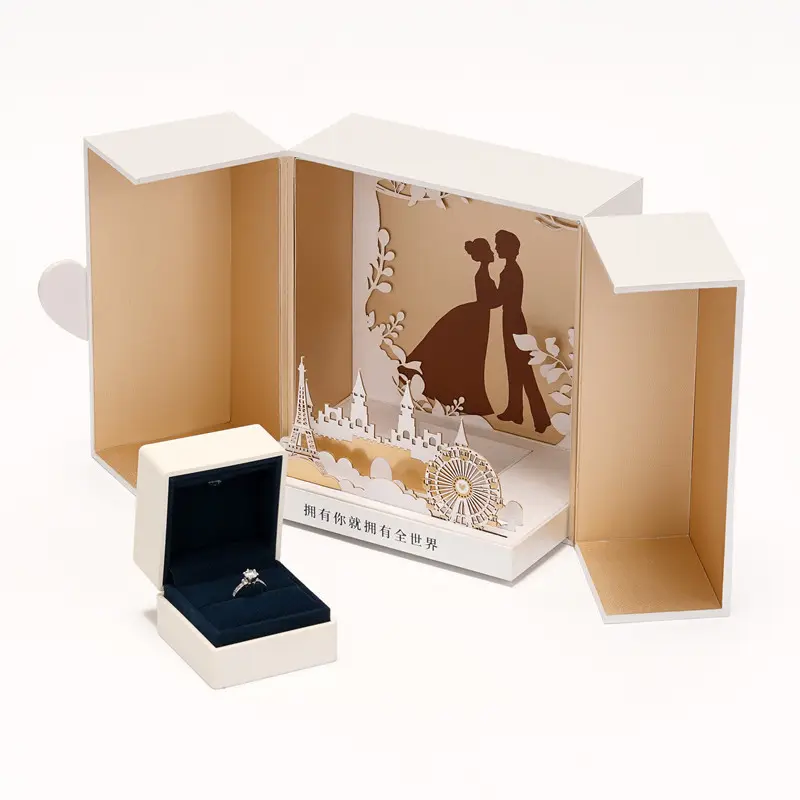
In addition to marriage and love scenes, self-pleasing has become one of the main reasons for consumers to buy diamond jewelry. Self-pleasing demand are more everyday and diverse, and some don’t even need specific reasons. When you see it while shopping, you like it and buy it. Going to work, shopping, dancing, dating, even drinking coffee, you can also sparkle! The wearing of diamond jewelry has penetrated into daily life. In addition to formal occasions, diamond jewelry is also suitable for everyday parties, weekend leisure and daily commuting. It is becoming more and more common to wear diamond jewelry in more social situations.
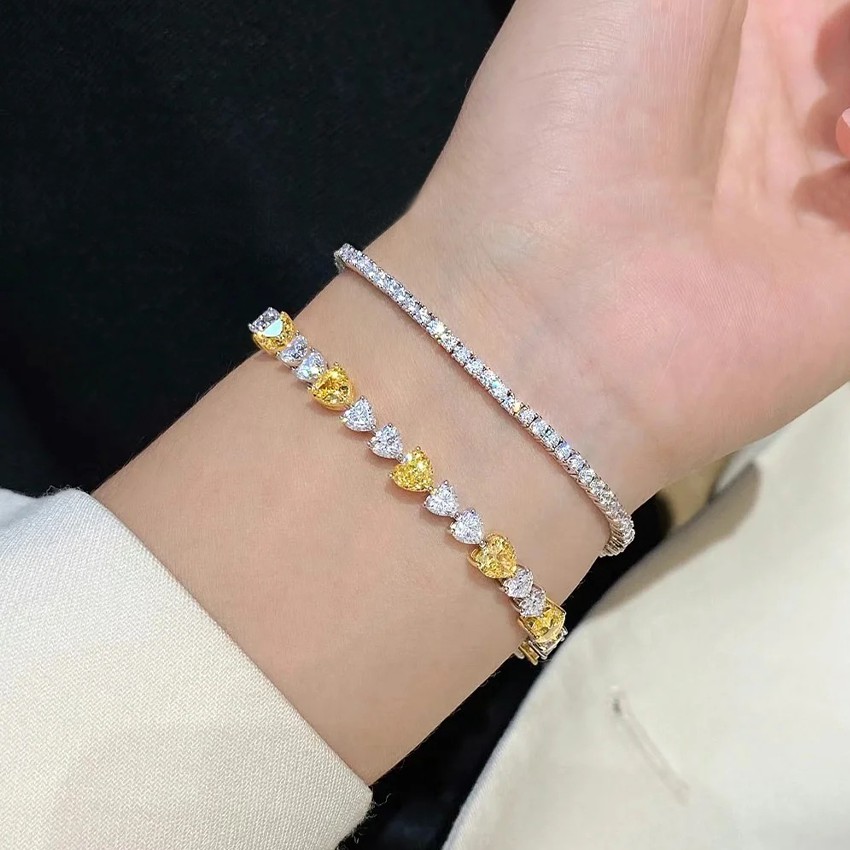
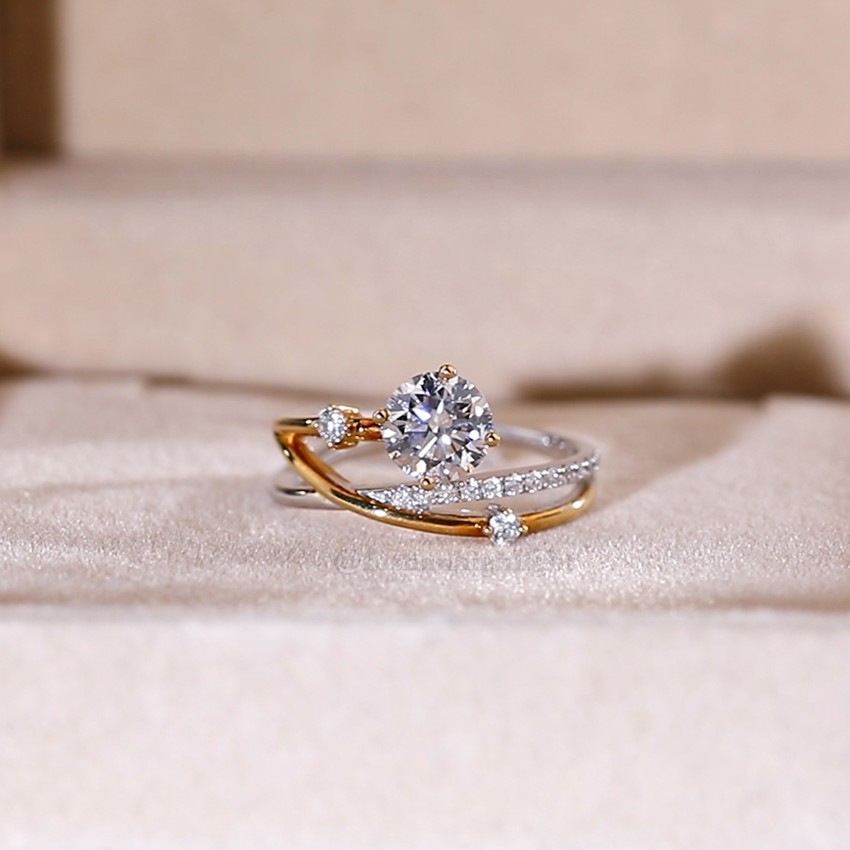
According to different needs, different wearing scenarios require more diamond ornaments of different styles. Colored diamonds and special-shaped diamonds help diamond ornaments break through the boundaries of traditional round white diamond designs and better meet diverse needs. Whether it is the expression of individuality in daily clothing, the purchase of "little romance" or "little casualness" in life, or gift giving, diamond jewelry can be combined with different shapes and colors to satisfy consumers.
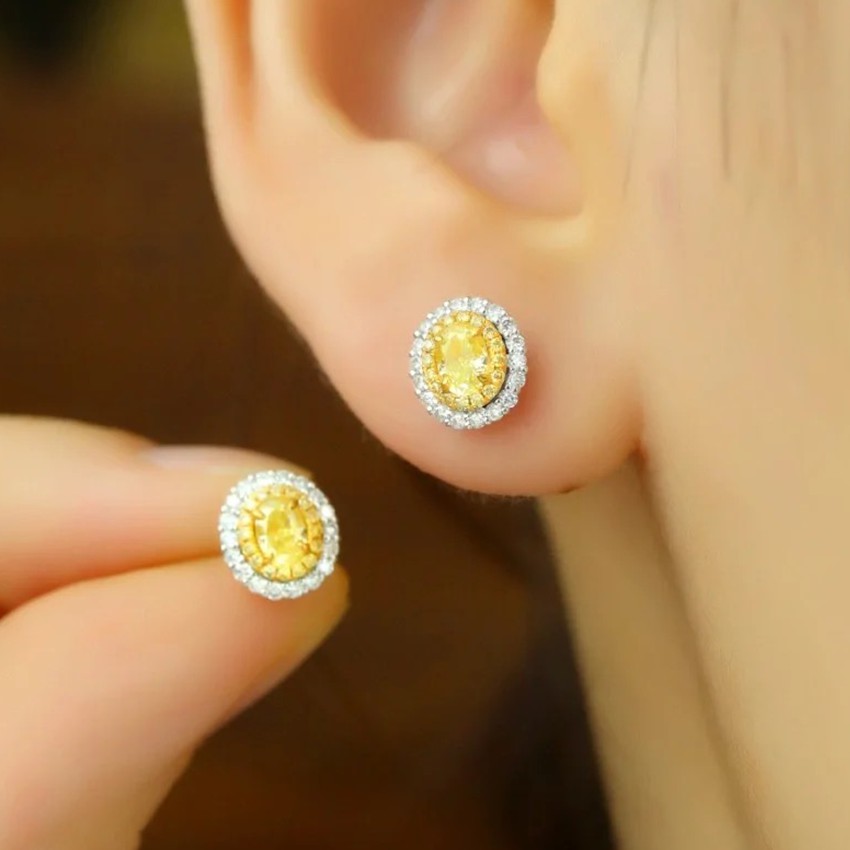
Design innovation, young consumers like novelty things, and pay more attention to the design concept, uniqueness and fashion sense of products. Therefore, cooperating with outstanding artists and designers to attract the attention of young people is the development trend of diamond jewelry.
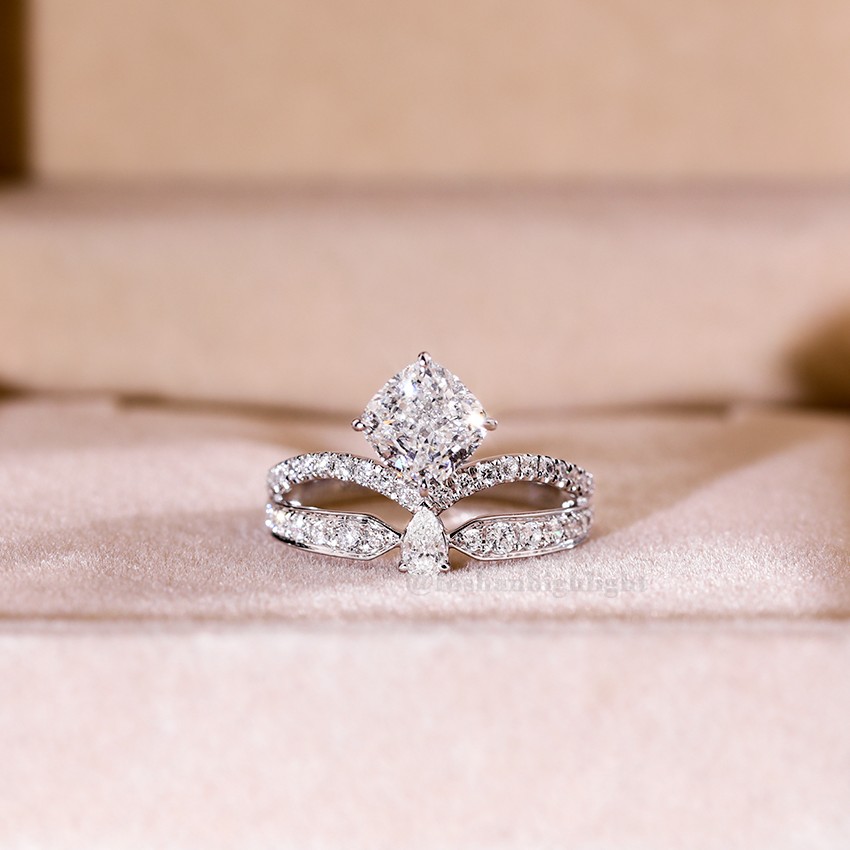
As consumers' demand for sustainability and environmental protection increases, the market size of lab-grown diamonds will further expand in the future, and with the continuous innovation of technology, the quality of lab-grown diamonds will continue to improve, such as diamonds with larger carats , new colors and shapes. In the future, in addition to jewelry for people to wear, it may also be applied to more unexpected industries such as watches and pets.









Your liking is the energy that I insist on writing
YouArticle
已有21人推荐
-

CVD Single-Crystal Diamonds: An Analysis of the Complete Processing Workflow from Gas-Phase Deposition to Finished Diamond Chips
MPCVD (Microwave Plasma Chemical Vapor Deposition) technology is currently the core process for producing high-quality single-crystal diamond s. Thanks to its advantages of low defect rates, high purity, and controllable large dimensions, it is widely used in fields such as semiconductor heat dissipation, precision optics, and high-end sensors. The final quality of single-crystal diamond s depends on comprehensive process control throughout the entire workflow—from vapor deposition growth to pos
-
Single-Crystal or Polycrystalline Diamond — Which Has Greater Potential?
As diamond continues to enter industries such as semiconductors, thermal management, optics, high-power electronics, and precision machining, the requirements for diamond materials are also evolving.
-
Diamond Polishing and Grinding Processes: Core Challenges and Industry Hurdles
Diamond is often hailed as the “ultimate material” – ranking 10 on the Mohs hardness scale, boasting an ultra‑high thermal conductivity (~2,200 W/(m·K)), excellent chemical stability, and broad optical transparency. These properties make it irreplaceable in cutting‑edge applications such as semiconductor heat dissipation, high‑end optics, and quantum chips. Yet the paradox of “good materials are hard to process” is nowhere more evident than in diamond. From rough grinding for planarization to at
-
Single-Crystal vs Polycrystalline CVD Diamond: Process Difference Lies in Growth Logic, Not Equipment
The process difference between single crystal and polycrystalline CVD diamond lies not in equipment, but in growth logic. Single crystal and polycrystalline CVD diamond are two functional new materials with completely independent growth mechanisms, lattice structures and performance systems. Their process logic, product features and application boundaries diverge fundamentally from the very start of deposition and growth. Comparing or selecting materials without considering their underlying crys