- 中文
- English
- Español
Lab-grown diamond industry overview in 2023
2024-01-17 09:09:23
Click:
“
The lab-grown diamond industry will face both challenges and opportunities in 2023. Market demand continues to grow, and technological progress promotes improvements in production efficiency. However, it also faces challenges from intensified price competition and differentiated regulatory environments. Overall, the lab-grown diamond industry has great prospects and is expected to play a greater role in the sustainable field.
”
The global rough supply of lab-grown diamonds (used in the jewelry industry, excluding centite, that is, diamonds with a single weight less than 0.01ct) in 2023 will be approximately 15 million carats, much higher than the situation of less than 1 million carats in 2017/2018; Paul Zimnisky expects lab-grown diamond production to grow at double-digit annual rates over the next five years.
Chinese lab-grown diamond producers currently supply more than 10 billion carats of diamonds for the abrasives industry every year, and have been upgrading existing production equipment to produce larger and higher-quality gem-grade lab-grown diamonds; considering the scale of production, With the potential for scalability, Chinese producers may aim to become a global producer of high-volume, low-cost lab-grown diamonds for the jewelry industry.
India is home to a rapidly growing number of lab-grown diamond production companies. In view of the Indian government's subsidized energy costs for lab-grown diamond producers and India's competitive advantage of having the world's largest diamond processing center, many traditional natural diamond processors in India have expanded their business into the field of lab-grown diamonds. In 2022, the State Bank of India "formally" formulated a policy to provide term loans to Indian lab-grown diamond producers for the purchase of production equipment.
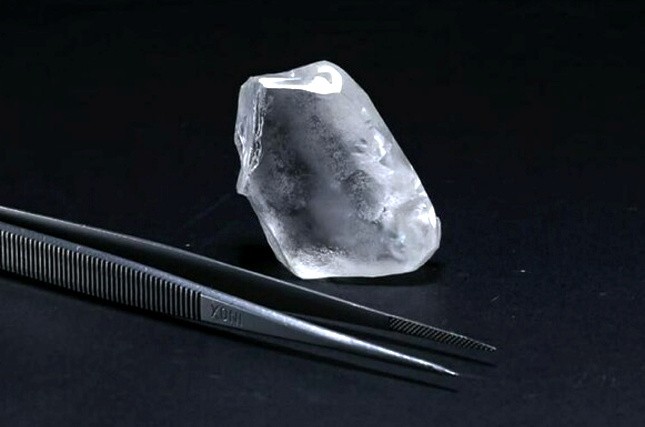
Diamond Foundry, the largest producer of lab-grown diamonds in the United States, successfully raised US$200 million in 2021 with an asset valuation of US$1.8 billion; the company said it will use part of this financing to increase annual production from an estimated 1 million carats in 2020 3-5 million carats by 2023. WD Lab Grown Diamonds, the second largest producer of lab-grown diamonds in the United States, filed for bankruptcy at the end of 2023 and re-emerged as a "WD Advanced Materials Company" after bankruptcy, dedicated to using lab-grown diamonds as "metamaterial" applications for semiconductors and quantum diamond substrates .
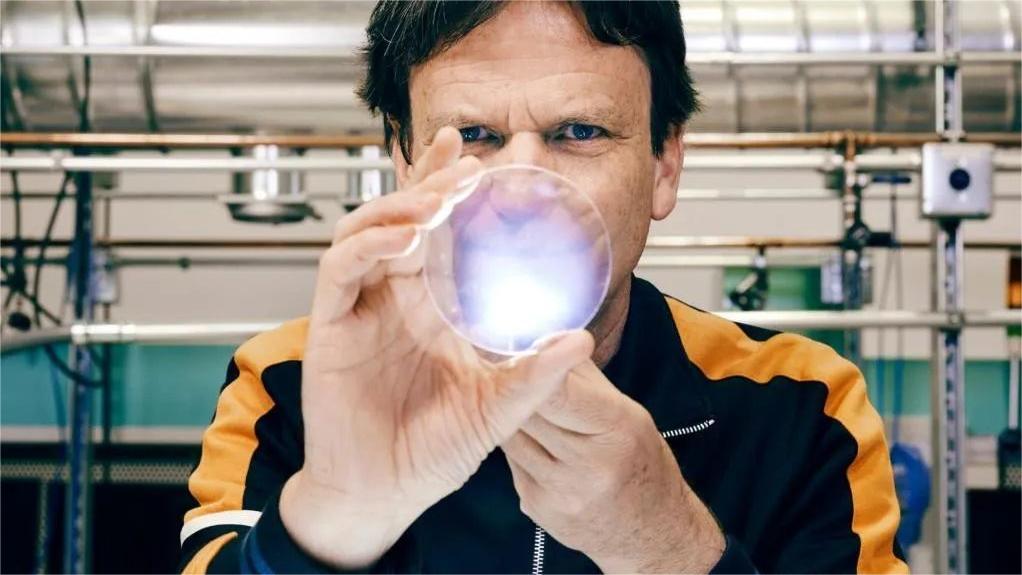
Israeli lab-grown diamond producer LUSIX has received $90 million in financing from LVMH Luxury Ventures, the investment arm of the world's largest luxury goods group, LVMH Group, in 2022. LUSIX provides cultivated diamonds for the "Carrera Plasma Tourbillon Nanograph" watch product of TAG Heuer, a subsidiary of LVMH. Perhaps the greatest potential of lab-grown diamonds in the jewelry field is to enable uses that are not possible with natural diamonds, such as all-diamond rings, custom diamond shapes/colors, etc.
Since 2018, India’s lab-grown diamond import and export trade has grown rapidly. In just five years, the import value of rough lab-grown diamonds increased from US$80 million in 2018 to US$1.474 billion in 2022, and the scale of trade expanded nearly 19 times. The export value of finished lab-grown diamonds also increased from US$117 million to US$1.715 billion, and the scale of trade expanded 15 times.
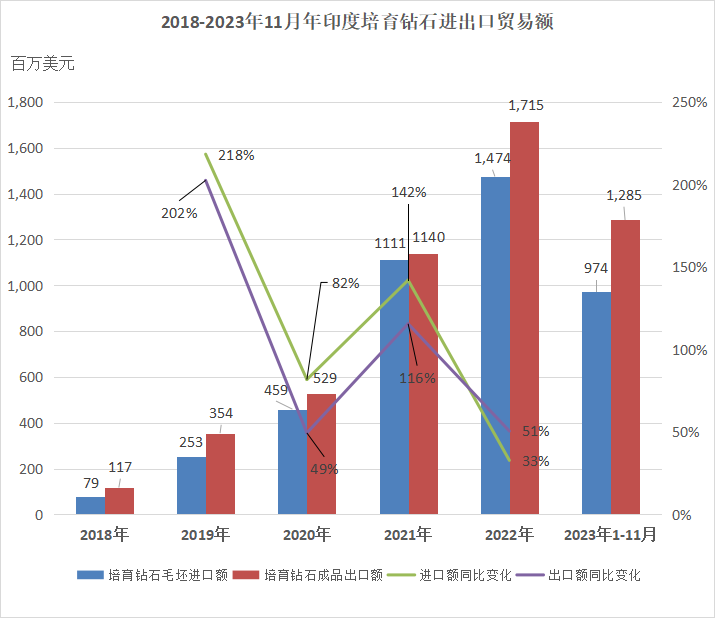
Affected by multiple factors such as the sharp drop in the price of rough lab-grown diamonds and the increase in India's lab-grown diamond production, India's lab-grown diamond rough imports from January to November 2023 were US$974 million, down 30% year-on-year; India's lab-grown diamond finished product exports were US$12.85 billion, down 20% year-on-year.
In 2022, cultivated diamond jewelry will break through the 10% mark of total global diamond jewelry sales. More and more brands are beginning to join this field, including luxury brands such as TAG Heuer, Fred, Breitling and Prada, Luximpact’s brands Vever and Oscar Massin, Brands with luxury brand history or operating experience such as Courbet and Jean Dousset; fashion jewelry brands such as Pandora and Swarovski have also launched cultivated diamond product series; James Allen, Kay, Jared and others under Signet, the largest diamond jewelry retailer in the United States , Zales, Blue Nile and the well-known American diamond jeweler Helzberg Diamonds are also selling cultivated diamonds; domestic jewelry brands such as Yuyuan Holdings, Mankalong, Chao Acer, and China Gold have also laid out cultivated diamond brands and product lines. However, some jewelers such as Tiffany & Co., Cartier, Bulgari and major jewelers in China and India still insist on selling only natural diamonds.
It is estimated that the United States is the world's largest lab-grown diamond jewelry market, accounting for more than 75%. In 2018, De Beers entered the field of cultivated diamond jewelry through a subsidiary called Lightbox, creating product differentiation between natural and cultivated diamond jewelry through a series of pricing and marketing strategies; the price of Lightbox diamonds is US$600 per carat , $800 and $1,500, divided into three quality levels: "Basic", "Original" and "Best". At the end of 2023, Lightbox cooperated with Roseate, an American brand that mainly deals in pearls and mother-of-pearl jewelry, and The Future Rocks, a cultivated diamond brand invested by Chow Sang Sang, bringing greater room for imagination to the cultivated diamond retail industry.
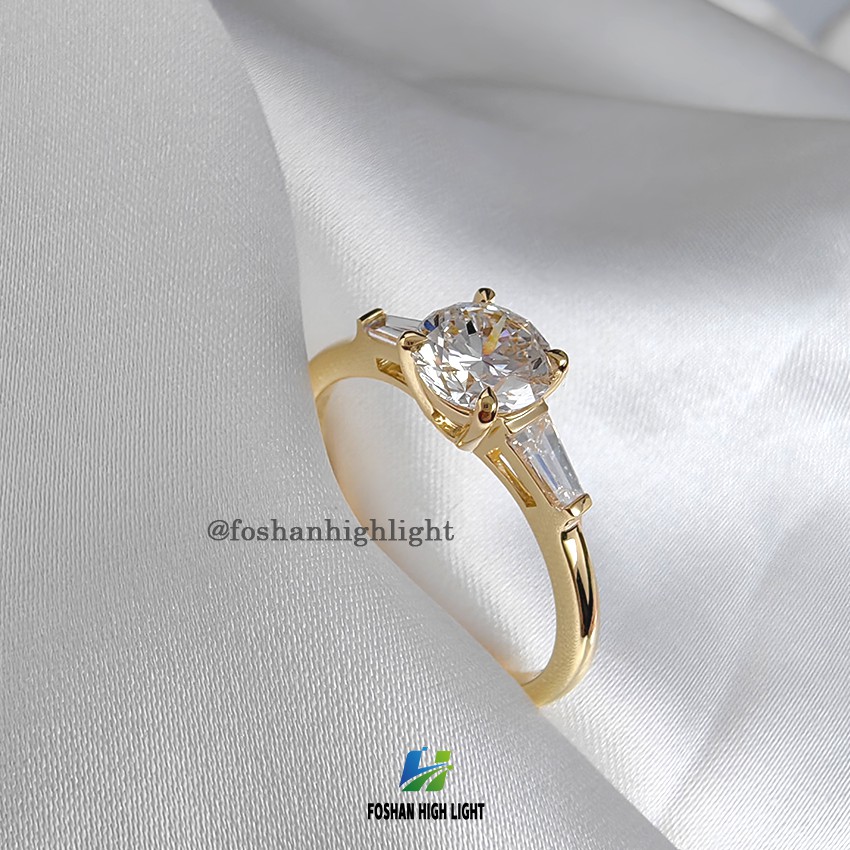
Lab-grown diamond engagement rings account for 1/3 of the current U.S. diamond engagement ring market. Most consumers currently prefer to purchase lab-grown diamonds rather than natural diamonds, and consumers can purchase an overall cheaper or larger lab-grown diamond for the same price they would pay for a smaller natural diamond.
In terms of the application of lab-grown diamonds, some emerging lab-grown diamond jewelry manufacturers, especially in Western countries, have given long-term business plans to explore "high-tech applications" of lab-grown diamonds, such as equipment thermal management, energy storage and semiconductors; However, in order to cater to this market, it may be necessary to continue to improve large-scale production capabilities and further reduce production costs. Paul Zimnisky believes that the above-mentioned "super material" applications of cultivated diamonds may be the biggest growth driver for the industry, because these market sizes are estimated to be several times larger than the jewelry industry, and end users are more likely not to distinguish whether diamonds are man-made or natural.
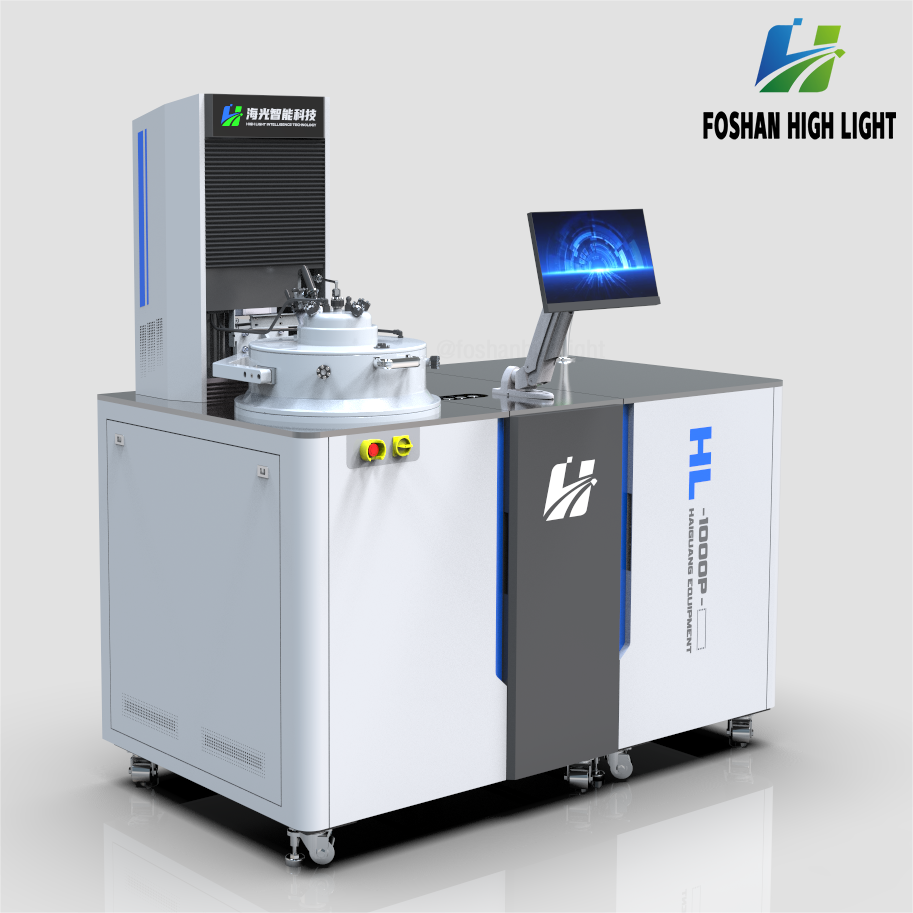
Diamond Foundry, the largest producer of lab-grown diamonds in the United States, brands itself a "single crystal diamond wafer" producer and aims to produce 20 million carats by 2025, but end-user demand and applications are unclear. WD Lab Grown Diamonds, the second largest producer of lab-grown diamonds in the United States, filed for bankruptcy and re-emerged as a "WD Advanced Materials Company" dedicated to using lab-grown diamonds as "metamaterial" applications for semiconductors and quantum diamond substrates.
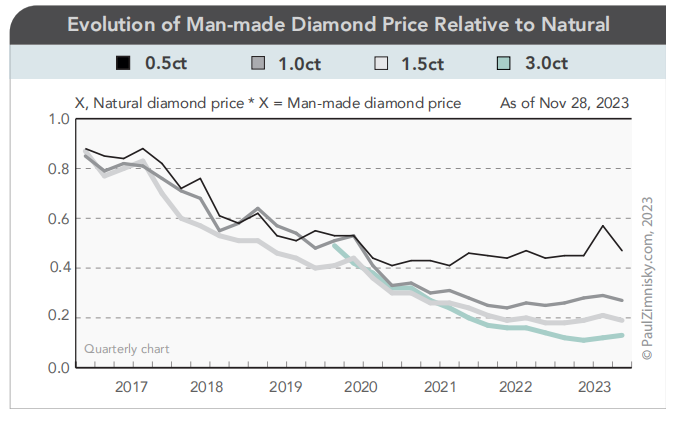
Lab-grown diamond price evolution trends:
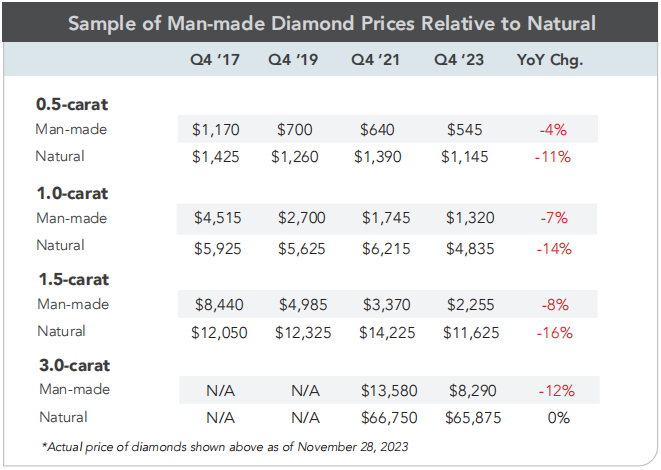
Lab-grown diamonds and natural diamonds price comparison table:
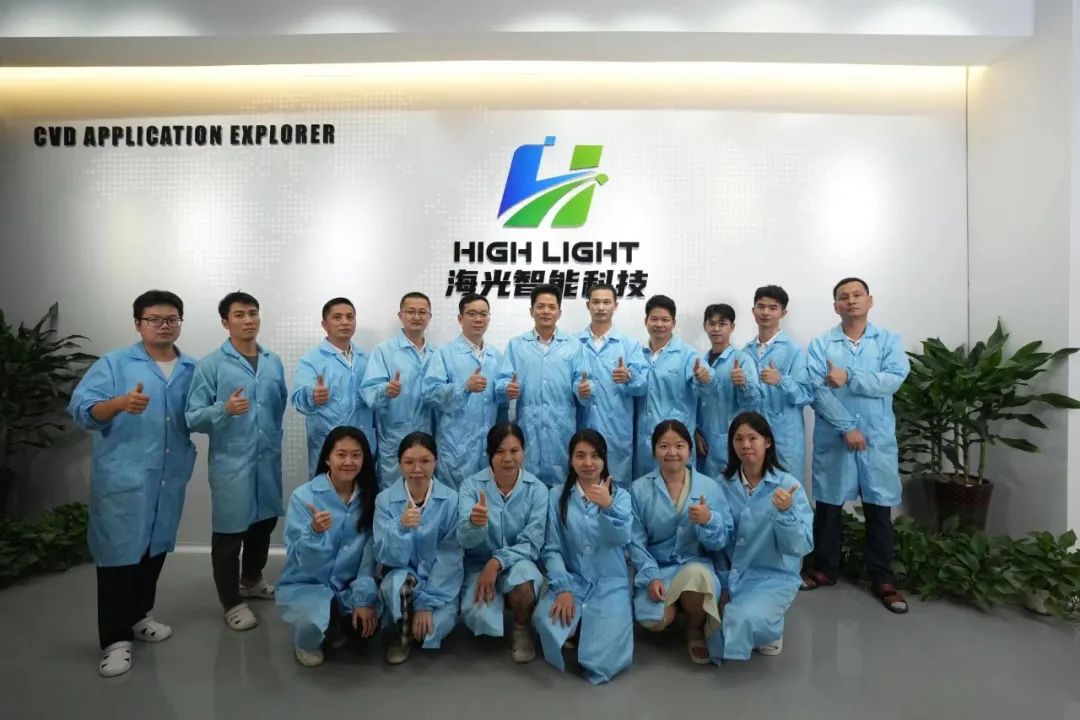
As an MPCVD diamond production supplier, High Light Intelligence Technology is developing rapidly in the cultivated diamond industry. We also provide diamond products to major commercial customers and academic researchers, contributing to industry.









-

CVD Single-Crystal Diamonds: An Analysis of the Complete Processing Workflow from Gas-Phase Deposition to Finished Diamond Chips
MPCVD (Microwave Plasma Chemical Vapor Deposition) technology is currently the core process for producing high-quality single-crystal diamond s. Thanks to its advantages of low defect rates, high purity, and controllable large dimensions, it is widely used in fields such as semiconductor heat dissipation, precision optics, and high-end sensors. The final quality of single-crystal diamond s depends on comprehensive process control throughout the entire workflow—from vapor deposition growth to pos
-
Single-Crystal or Polycrystalline Diamond — Which Has Greater Potential?
As diamond continues to enter industries such as semiconductors, thermal management, optics, high-power electronics, and precision machining, the requirements for diamond materials are also evolving.
-
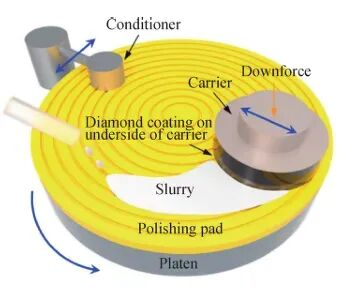
Diamond Polishing and Grinding Processes: Core Challenges and Industry Hurdles
Diamond is often hailed as the “ultimate material” – ranking 10 on the Mohs hardness scale, boasting an ultra‑high thermal conductivity (~2,200 W/(m·K)), excellent chemical stability, and broad optical transparency. These properties make it irreplaceable in cutting‑edge applications such as semiconductor heat dissipation, high‑end optics, and quantum chips. Yet the paradox of “good materials are hard to process” is nowhere more evident than in diamond. From rough grinding for planarization to at
-
Single-Crystal vs Polycrystalline CVD Diamond: Process Difference Lies in Growth Logic, Not Equipment
The process difference between single crystal and polycrystalline CVD diamond lies not in equipment, but in growth logic. Single crystal and polycrystalline CVD diamond are two functional new materials with completely independent growth mechanisms, lattice structures and performance systems. Their process logic, product features and application boundaries diverge fundamentally from the very start of deposition and growth. Comparing or selecting materials without considering their underlying crys