- 中文
- English
- Español
CVD Rough Daimond Science: Understand the "past and present life" of diamonds
2024-05-17 14:58:26
Click:
“
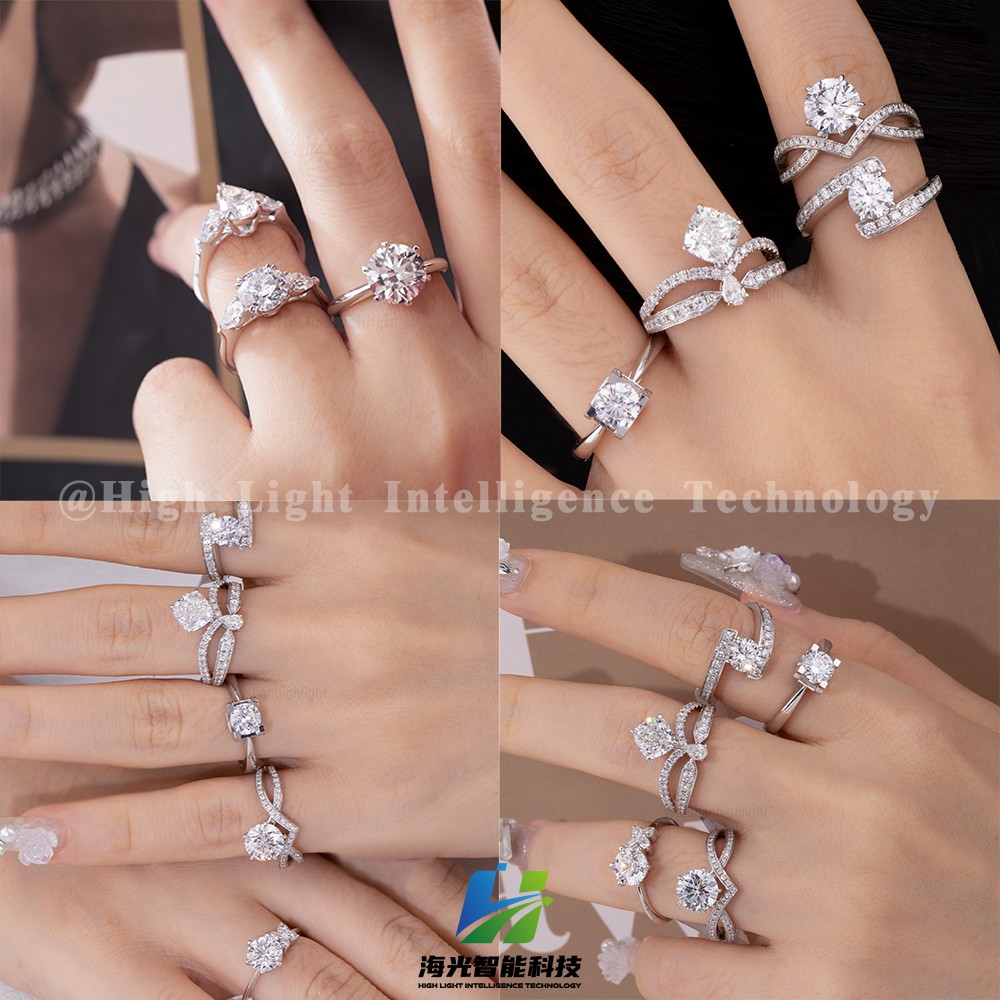
Diamonds, this dazzling gemstone, have always attracted people's attention for their rarity and uniqueness. However, there is more to diamonds than meets the eye. Especially in recent years, with the rapid development of chemical vapor deposition (CVD) technology, the production methods of diamonds have also undergone earth-shaking changes. Today, let’s learn about the “past and present life” of diamonds.
”
Diamonds, this dazzling gemstone, have always attracted people's attention for their rarity and uniqueness. However, there is more to diamonds than meets the eye. Especially in recent years, with the rapid development of chemical vapor deposition (CVD) technology, the production methods of diamonds have also undergone earth-shaking changes. Today, let’s learn about the “past and present life” of diamonds.
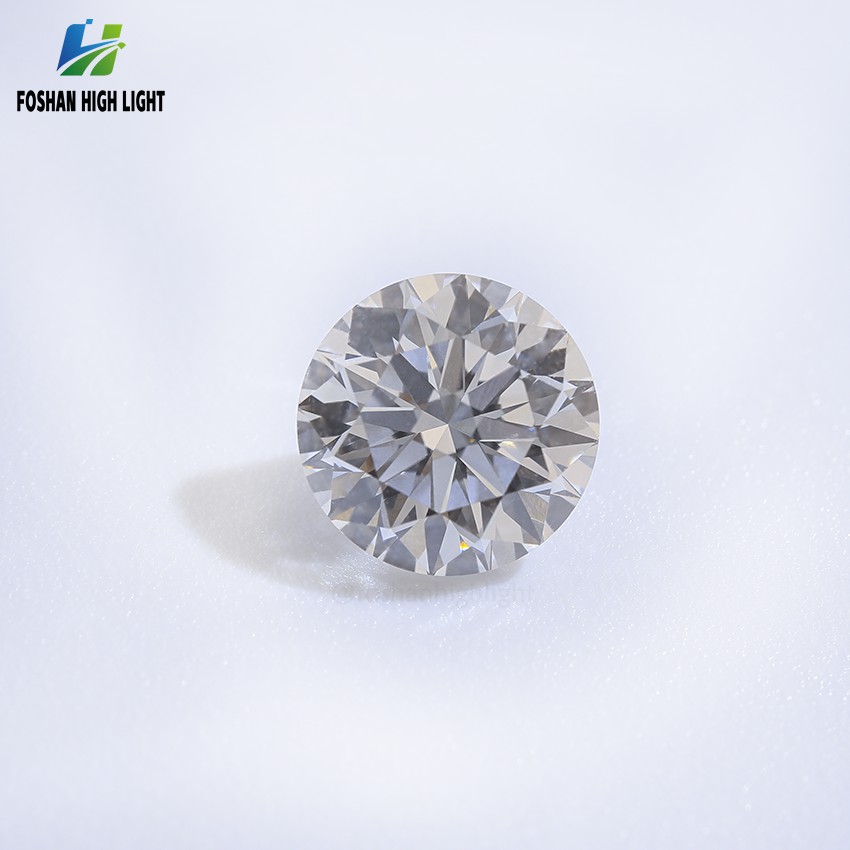
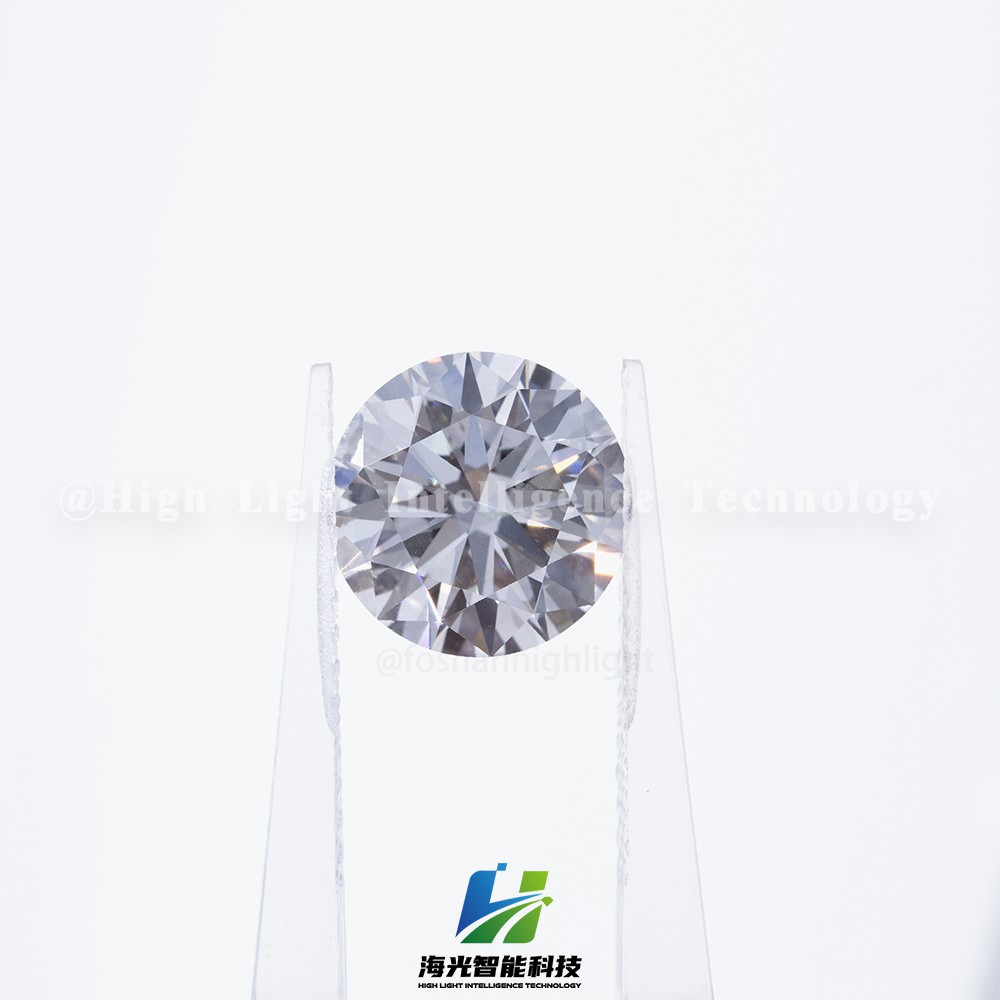
The formation of diamonds dates back billions of years. Deep in the earth's crust, carbon gradually crystallizes under high temperature and pressure to form diamond, which is what we call diamond. This process requires extremely high temperatures and pressure, making diamonds one of the hardest and rarest substances in nature.
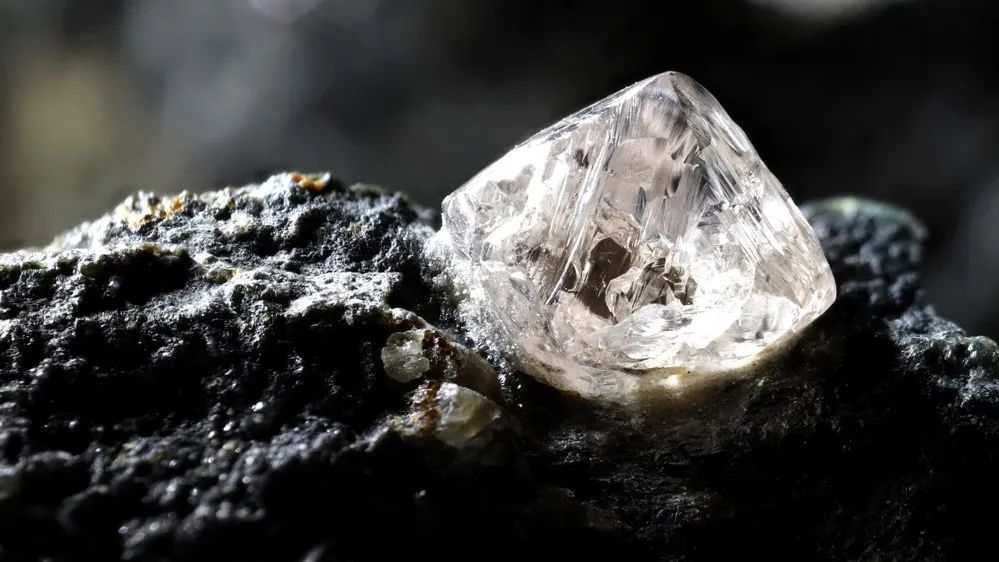
Traditional diamond mining usually relies on natural mineral deposits, which not only puts huge pressure on the environment, but also makes it difficult to guarantee output and quality. However, with the advancement of science and technology, especially the emergence of MPCVD technology, the production method of diamonds has undergone revolutionary changes.
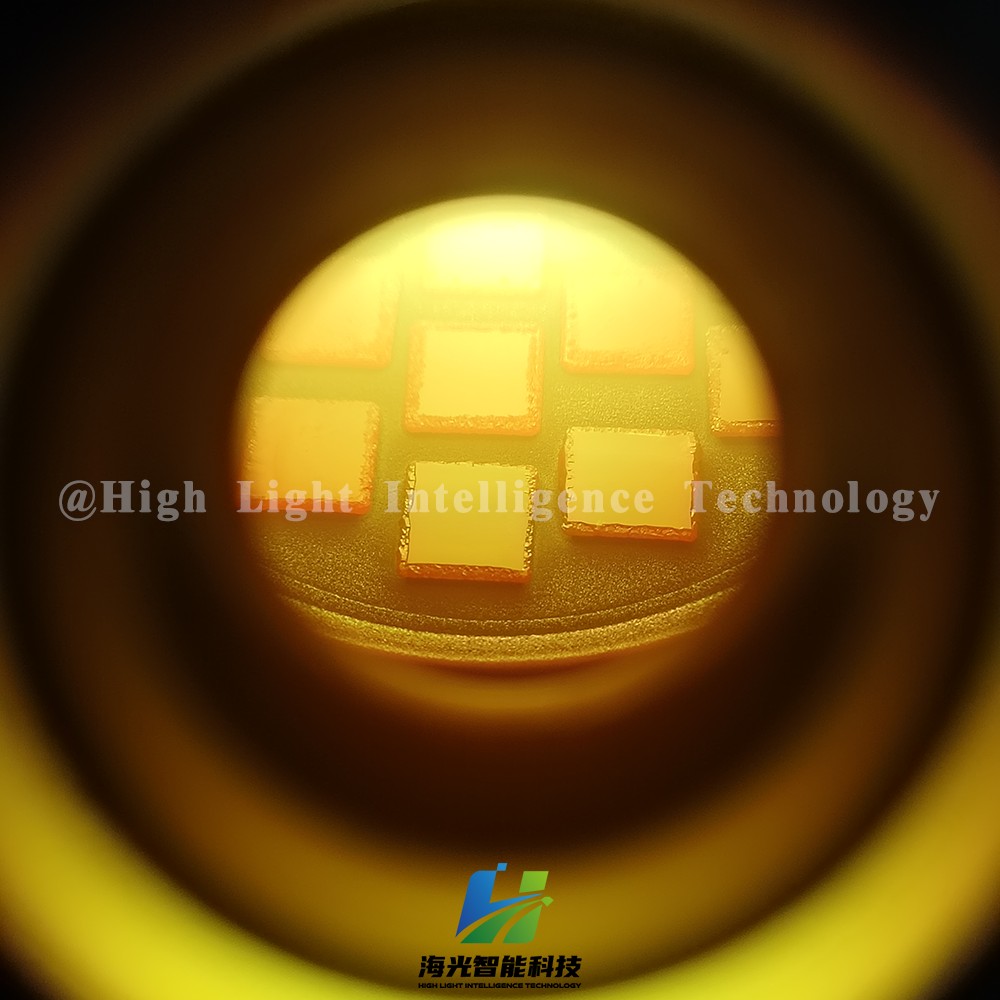

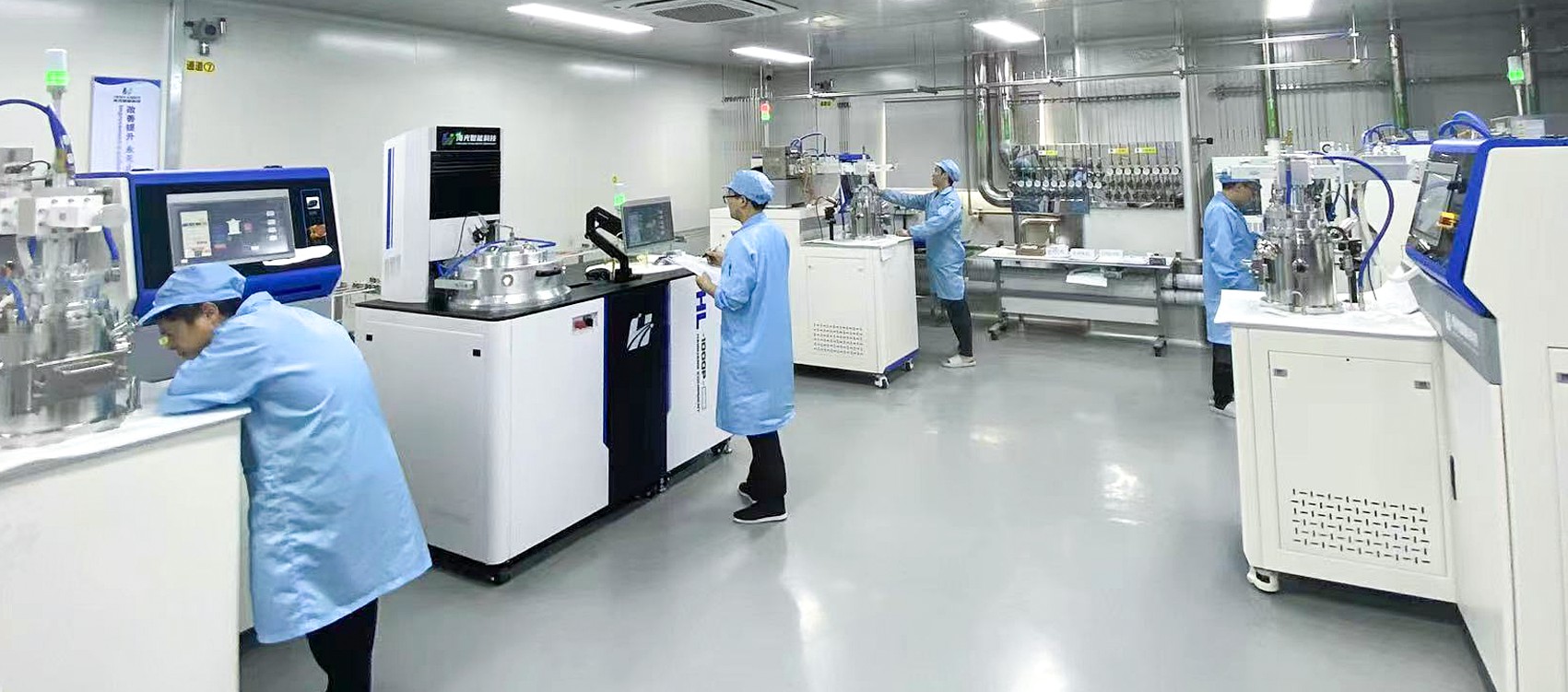
MPCVD technology, microwave plasma chemical vapor deposition technology, is a cutting-edge technology that uses microwave energy to generate plasma in a specific gas environment to synthesize diamond materials. This technology completely breaks the limitations of traditional diamond mining and brings unlimited possibilities to the diamond industry. This not only greatly reduces dependence on natural resources and reduces the environmental impact during mining, but also increases the output and quality of diamonds.
With the continuous development of science and technology, the application of MPCVD technology in diamond production will become more and more extensive. In the future, we can expect to see the emergence of more high-quality, personalized lab-grown diamonds, adding more beauty and brilliance to people’s lives. At the same time, with the continuous improvement of environmental awareness, MPCVD technology, as a green and environmentally friendly diamond production method, will attract more people's attention and favor.









-

CVD Single-Crystal Diamonds: An Analysis of the Complete Processing Workflow from Gas-Phase Deposition to Finished Diamond Chips
MPCVD (Microwave Plasma Chemical Vapor Deposition) technology is currently the core process for producing high-quality single-crystal diamond s. Thanks to its advantages of low defect rates, high purity, and controllable large dimensions, it is widely used in fields such as semiconductor heat dissipation, precision optics, and high-end sensors. The final quality of single-crystal diamond s depends on comprehensive process control throughout the entire workflow—from vapor deposition growth to pos
-
Single-Crystal or Polycrystalline Diamond — Which Has Greater Potential?
As diamond continues to enter industries such as semiconductors, thermal management, optics, high-power electronics, and precision machining, the requirements for diamond materials are also evolving.
-
Diamond Polishing and Grinding Processes: Core Challenges and Industry Hurdles
Diamond is often hailed as the “ultimate material” – ranking 10 on the Mohs hardness scale, boasting an ultra‑high thermal conductivity (~2,200 W/(m·K)), excellent chemical stability, and broad optical transparency. These properties make it irreplaceable in cutting‑edge applications such as semiconductor heat dissipation, high‑end optics, and quantum chips. Yet the paradox of “good materials are hard to process” is nowhere more evident than in diamond. From rough grinding for planarization to at
-
Single-Crystal vs Polycrystalline CVD Diamond: Process Difference Lies in Growth Logic, Not Equipment
The process difference between single crystal and polycrystalline CVD diamond lies not in equipment, but in growth logic. Single crystal and polycrystalline CVD diamond are two functional new materials with completely independent growth mechanisms, lattice structures and performance systems. Their process logic, product features and application boundaries diverge fundamentally from the very start of deposition and growth. Comparing or selecting materials without considering their underlying crys