- 中文
- English
- Español
Can diamond batteries make it possible for cars to stop charging forever?
2024-07-10 09:34:12
Click:
“
In the 1990s, lithium-ion batteries began to be used on a commercial scale, triggering a revolution in our relationship with portable electronic products. After the emergence of smartphones, the impact of insufficient battery life on mobile phones has become increasingly obvious. In order to ensure the normal user experience, battery manufacturers have also been improving the lithium battery process, but the speed of battery material improvement is much lower than the speed of power consumption
”
The popularity of lithium-ion batteries in the 1990s promoted the revolution of portable electronic products, but the problem of battery life persists. In recent years, graphene batteries have shown potential as an improved version of traditional lithium batteries, while diamond batteries proposed by the US NDB company have completely overturned battery technology, using radiation energy in nuclear waste to achieve continuous power supply for up to 28,000 years, suitable for space exploration, medical implants and other fields. Despite the high production costs and public concerns about the safety of radioactive materials, its ultra-long life, high-efficiency energy conversion and safety make it an important candidate for the future energy market, and it is expected to completely change the battery industry landscape.
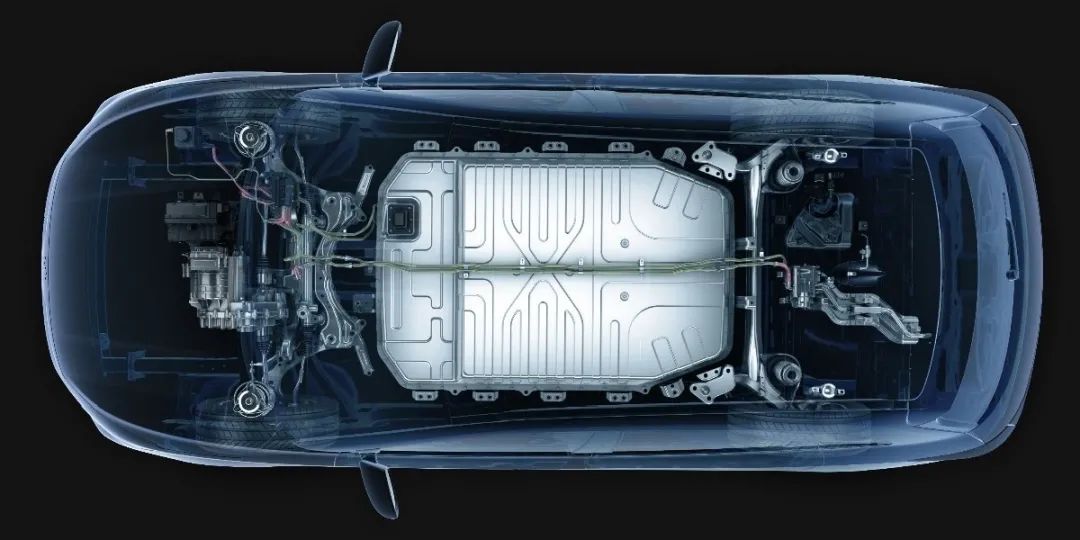
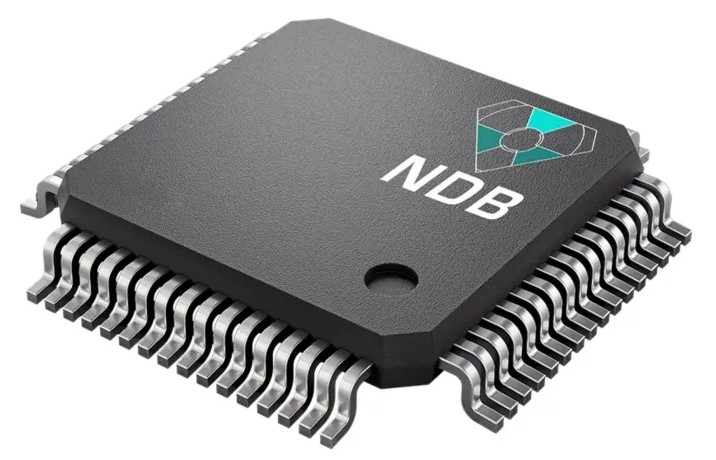
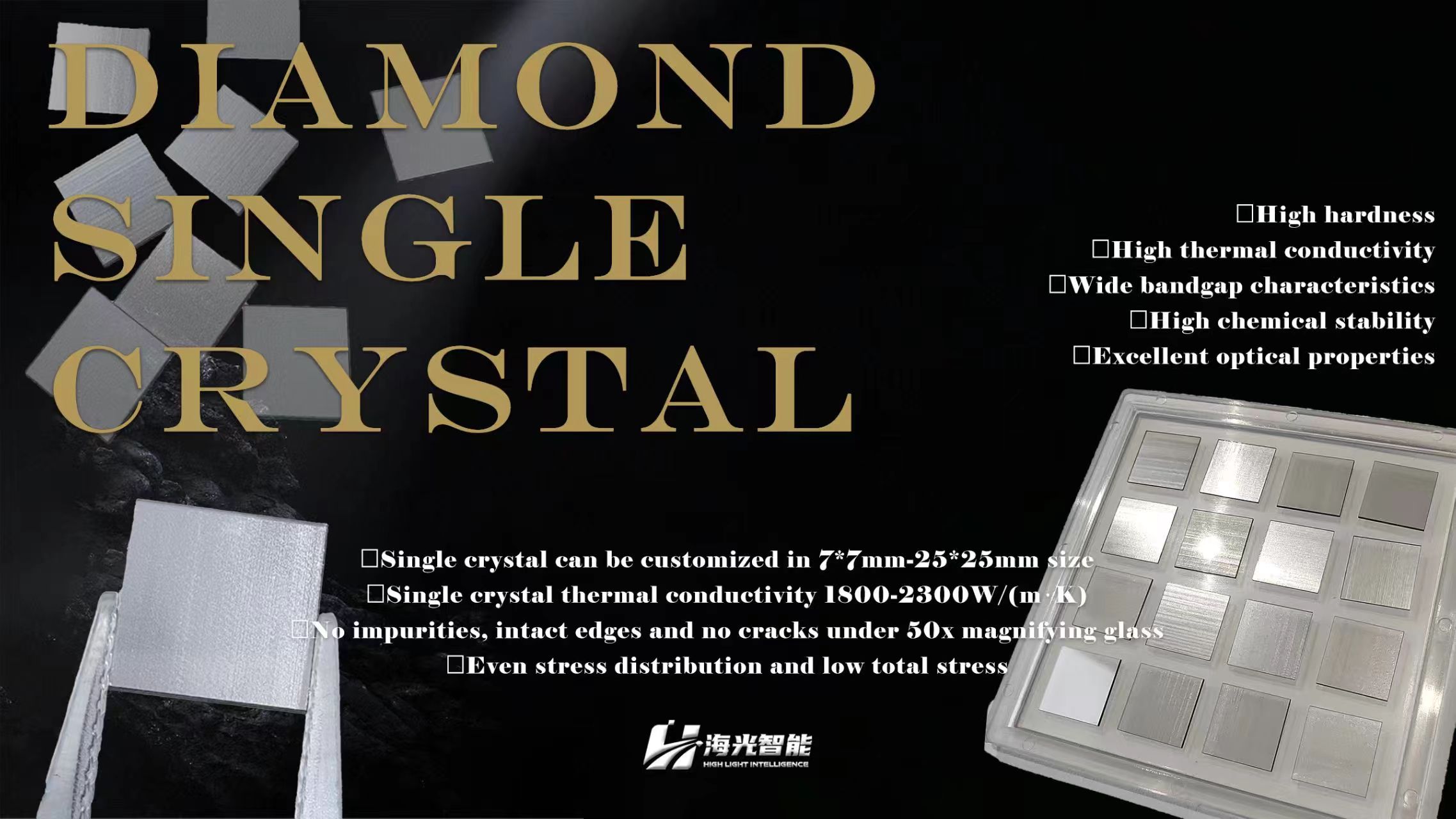
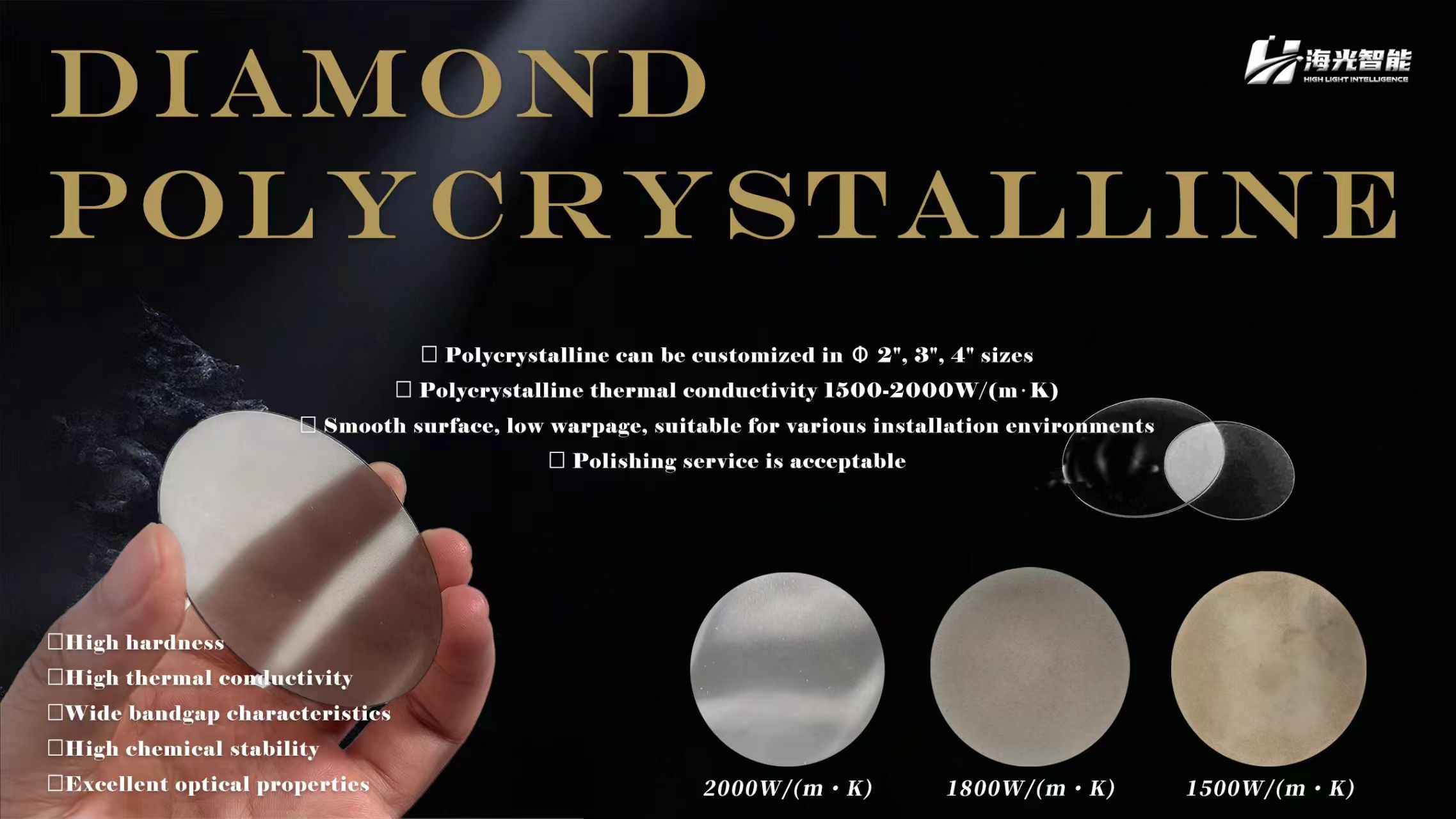
Nano Diamond Battery, an American startup, has launched a prototype diamond battery made from nuclear waste, the "Diamond Nuclear Voltaic". It uses single crystal diamond to absorb the energy of long-half-life radioactive isotopes (such as carbon-14) in nuclear waste, and releases electrons through decay to convert them into electrical energy. It can provide sustainable power for 28,000 years without replacement or charging. This technology has revolutionized long-term power demand scenarios such as space exploration, remote monitoring, and medical implants. The high thermal conductivity of diamond ensures efficient energy conversion while avoiding overheating, and its durability far exceeds that of stainless steel. The radiation safety level is lower than the natural radiation of the human body, achieving a double breakthrough in technical safety and performance.
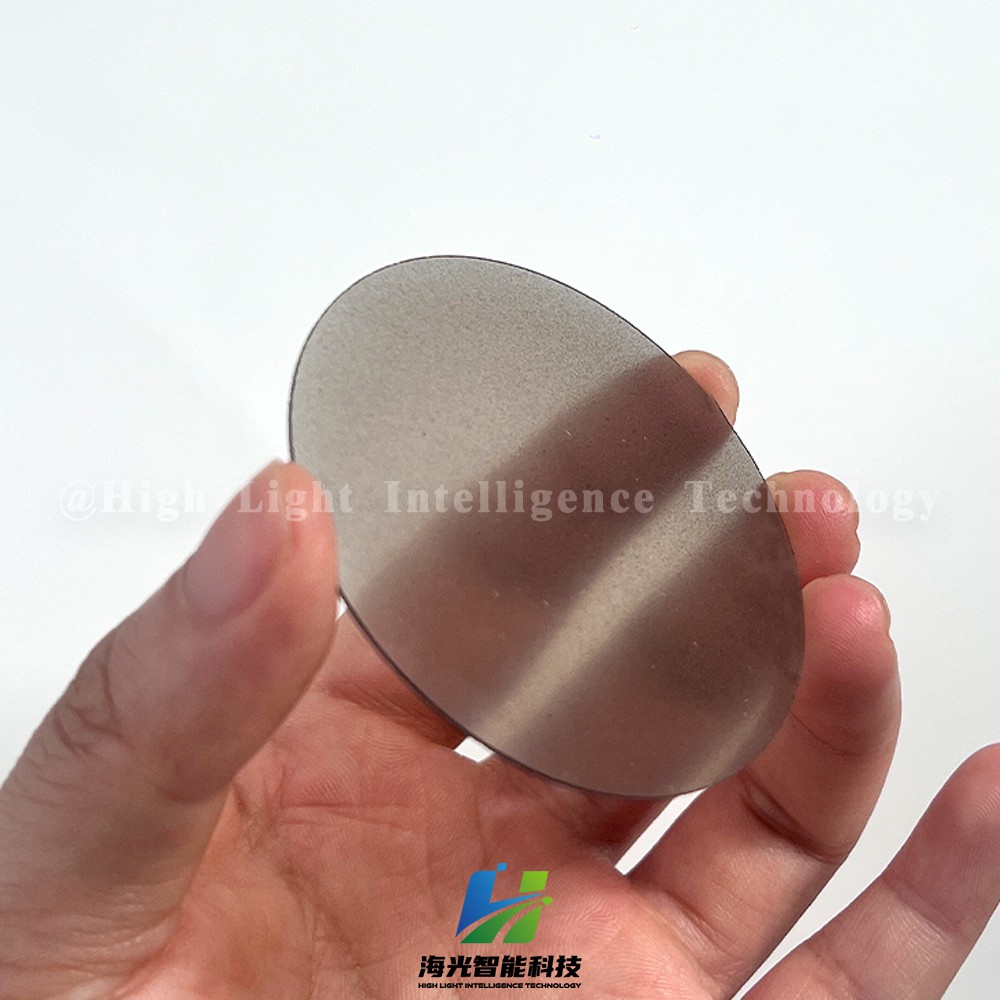
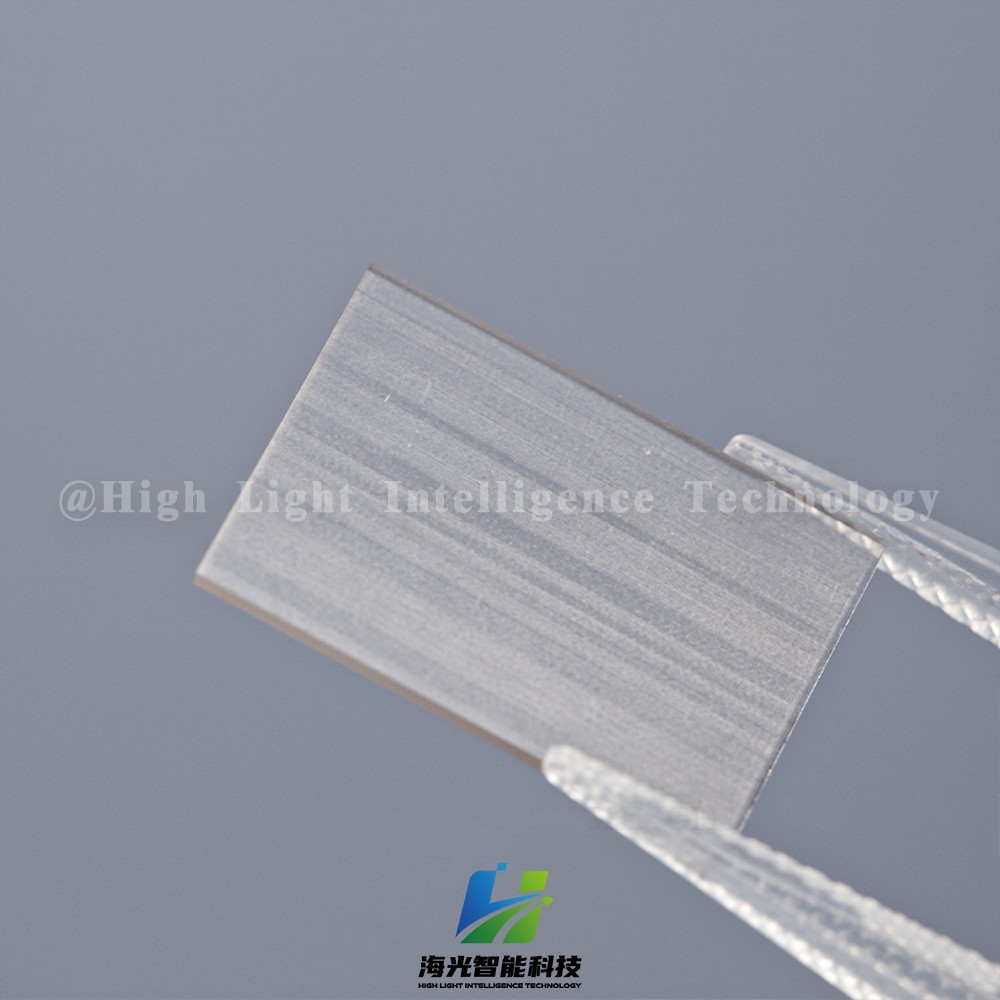
Despite the extraordinary potential of diamond batteries, the road to large-scale commercialization is still thorny, mainly due to high production costs and public concerns about the safety of radioactive materials. NDB is actively responding by optimizing production processes to reduce costs and strictly implementing testing and certification processes to ensure the safety and reliability of its products. At present, the company has successfully brought this battery to the market and is working with commercial partners including space agencies to explore its potential for application in long-term missions. As for the price, it is still a trade secret and has not been announced to the public. Looking to the future, with the continuous innovation of technology and the effective control of costs, diamond batteries are expected to become a new star in the energy field, completely subverting our traditional understanding of battery technology.









-

Vintage Trend: Champagne & Cognac Diamond Color Guide
Recently, vintage aesthetics have continued to sweep the global jewelry industry, with Victorian court styles, Edwardian vintage jewelry, and European-style vintage bridal jewelry making a comeback. Champagne-colored diamonds, with their naturally soft luster, have risen in popularity, perfectly complementing the elegant heritage of vintage jewelry. Having broken out of niche collector circles, they have taken the jewelry markets of Europe, the United States, and Southeast Asia by storm. Thanks
-
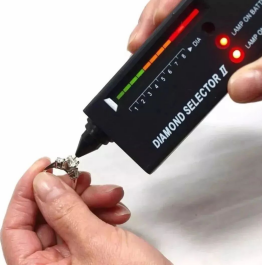
The Ultimate Guide to Diamond Testers: Everything You Need to Know About Use and Selection
A diamond tester is a portable electronic instrument that distinguishes diamonds from other materials based on differences in thermal conductivity. It is typically shaped like a thick pen or a small remote control, with a fine metal sensing probe at the tip.
-
A Guide to CVD Diamond Mass Production
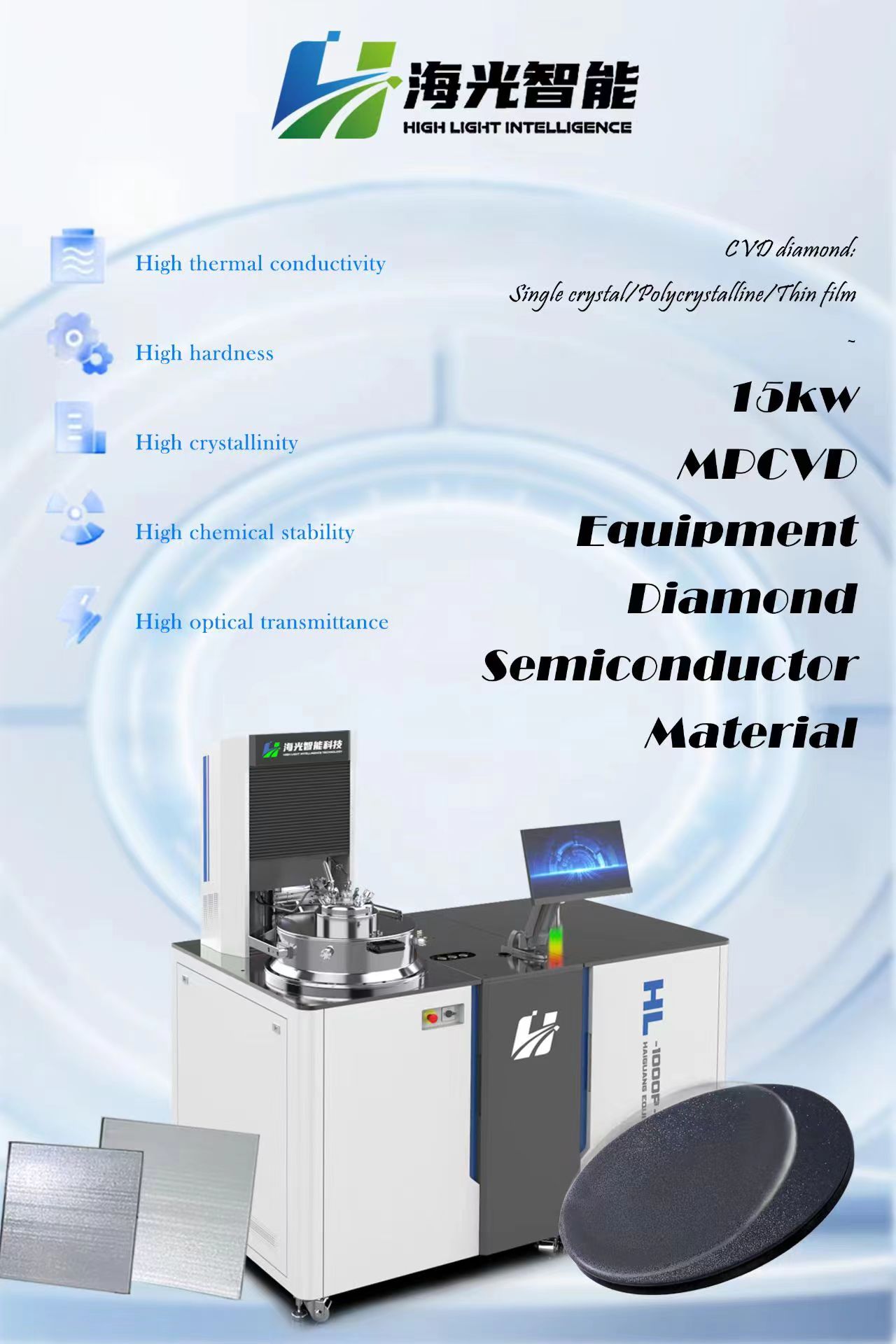
In recent years, MPCVD technology has continued to demonstrate its technical advantages, including the ability to grow high-purity Type IIa diamonds, precise and controllable color, support for mass production of large-size wafers, and suitability for high-end semiconductor applications. Thanks to its unique product and process advantages, it has become the leading production solution in two key global markets: affordable luxury jewelry and high-end electronic heat dissipation. An increasing num
-
Do Melee Diamonds Have Grading? Why Don't the Lab-Grown Melee Diamonds You Buy Come with 4C Certificates?
Many people wonder when customizing a lab-grown diamond ring or shopping for pavé-set jewelry: "The center stone comes with an IGI certificate clearly stating its color, clarity, and cut. What about the surrounding small melee diamonds? Do they have a grading?"