- 中文
- English
- Español
The price reduction of lab-grown diamonds does not mean that the market demand has weakened
2024-07-12 09:34:52
Click:
“
Amid the price fluctuations in the lab-grown diamond market, a striking phenomenon is the continuous decline in wholesale prices. This change has set off a wave of heated discussions within and outside the industry. The price decline is not a warning of market weakness, but rather a sign that the market may be experiencing a positive expansion and the industry is moving towards a healthier development stage.
”
Amid the turbulence of the brilliant lab-grown diamond market, a particularly striking phenomenon has quietly emerged: wholesale prices are experiencing a continuous and steady decline. This extraordinary change, like a boulder thrown into a calm lake, has not only aroused ripples of discussion within the industry, but has also crossed boundaries and aroused widespread heated discussions and attention from all walks of life. This mild price correction is not a sign of market weakness, but rather, like the dawn, indicating that the market is entering a period of expansion full of vitality and opportunities.
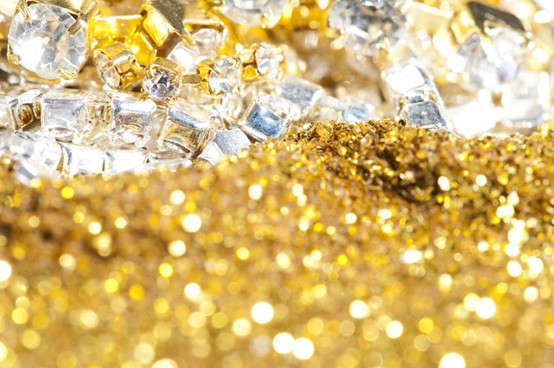
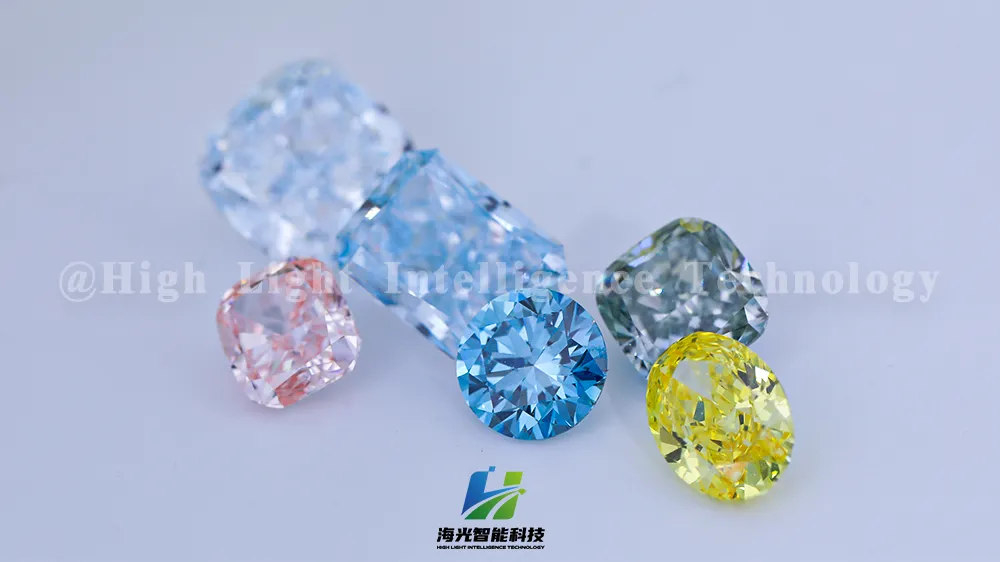
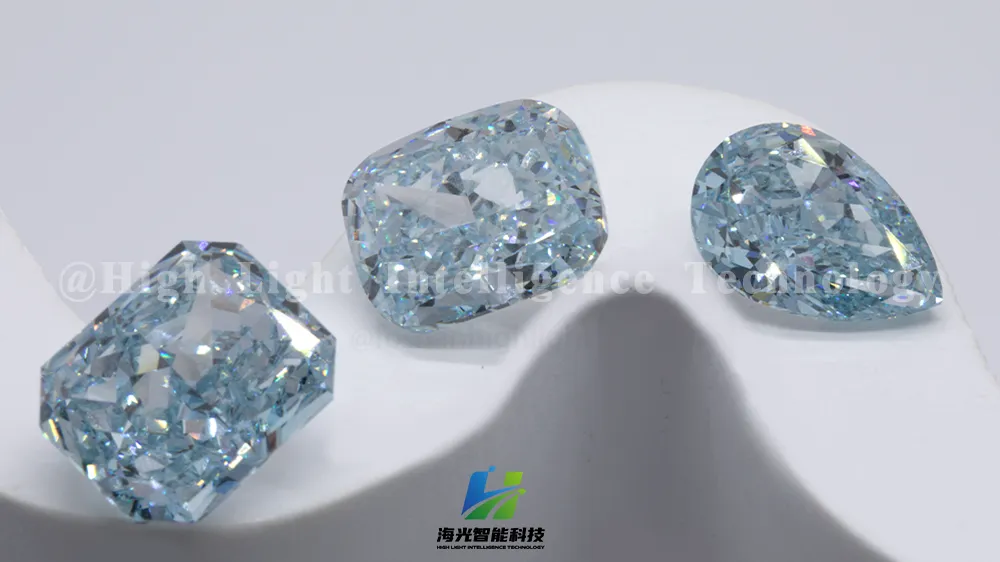
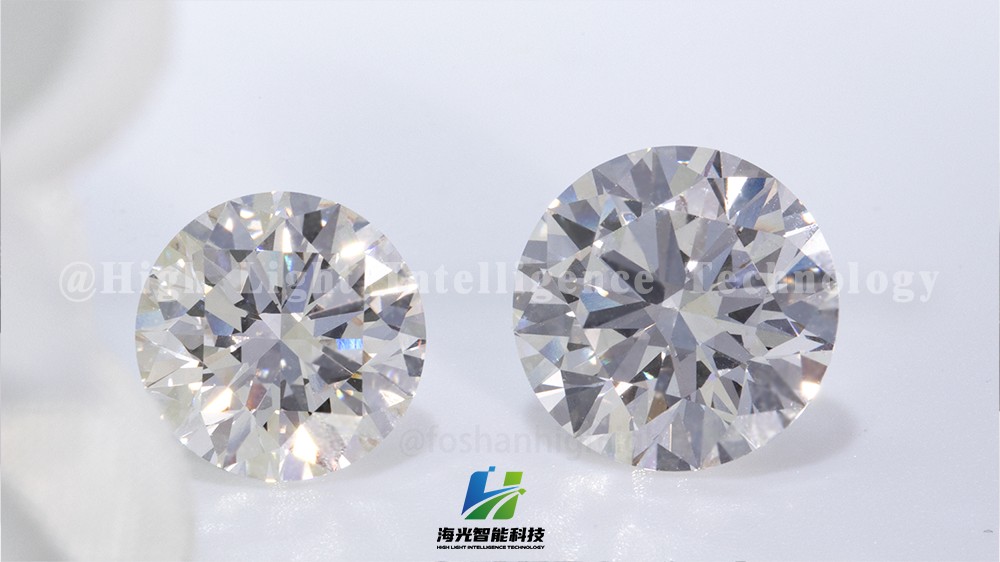
Price cuts have not led to a shrinkage of the lab-grown diamond market, but rather to further expansion. Through price adjustments, lab-grown diamonds, an emerging jewelry, have been able to reach a wider range of consumer groups, allowing them to personally experience its superiority in quality, appearance and price compared to traditional natural diamonds. As consumers gain a deeper understanding of lab-grown diamonds and become more accepting of them, market demand will grow, thereby driving the entire market forward.
Companies should strengthen their quality and services to win the trust and loyalty of consumers, and consolidate and expand their market share. At the same time, they need to be keenly aware of market trends and changes in consumer demand, and respond flexibly to ensure market adaptability. At the industry level, they need to strengthen self-discipline, establish and implement high standards and regulations, curb unfair competition, and increase investment in technology research and development to promote innovation in lab-grown diamond technology to meet the growing market demand.









-

Vintage Trend: Champagne & Cognac Diamond Color Guide
Recently, vintage aesthetics have continued to sweep the global jewelry industry, with Victorian court styles, Edwardian vintage jewelry, and European-style vintage bridal jewelry making a comeback. Champagne-colored diamonds, with their naturally soft luster, have risen in popularity, perfectly complementing the elegant heritage of vintage jewelry. Having broken out of niche collector circles, they have taken the jewelry markets of Europe, the United States, and Southeast Asia by storm. Thanks
-
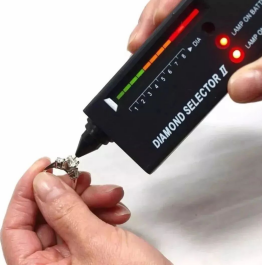
The Ultimate Guide to Diamond Testers: Everything You Need to Know About Use and Selection
A diamond tester is a portable electronic instrument that distinguishes diamonds from other materials based on differences in thermal conductivity. It is typically shaped like a thick pen or a small remote control, with a fine metal sensing probe at the tip.
-
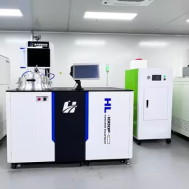
A Guide to CVD Diamond Mass Production
In recent years, MPCVD technology has continued to demonstrate its technical advantages, including the ability to grow high-purity Type IIa diamonds, precise and controllable color, support for mass production of large-size wafers, and suitability for high-end semiconductor applications. Thanks to its unique product and process advantages, it has become the leading production solution in two key global markets: affordable luxury jewelry and high-end electronic heat dissipation. An increasing num
-
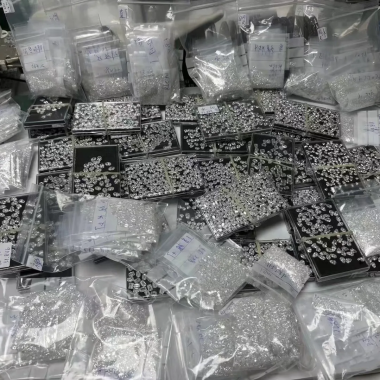
Do Melee Diamonds Have Grading? Why Don't the Lab-Grown Melee Diamonds You Buy Come with 4C Certificates?
Many people wonder when customizing a lab-grown diamond ring or shopping for pavé-set jewelry: "The center stone comes with an IGI certificate clearly stating its color, clarity, and cut. What about the surrounding small melee diamonds? Do they have a grading?"