- 中文
- English
- Español
Lab-grown diamonds are gradually replacing traditional materials and becoming the new favorite of the industry
2024-07-24 09:47:49
Click:
“
With the advancement of science and technology and changes in market demand, lab-grown diamonds are rapidly becoming the new favorite in the industrial field. This kind of high-quality diamonds synthesized by man not only occupies a place in the jewelry market, but also shows great potential in the high-tech field.
”

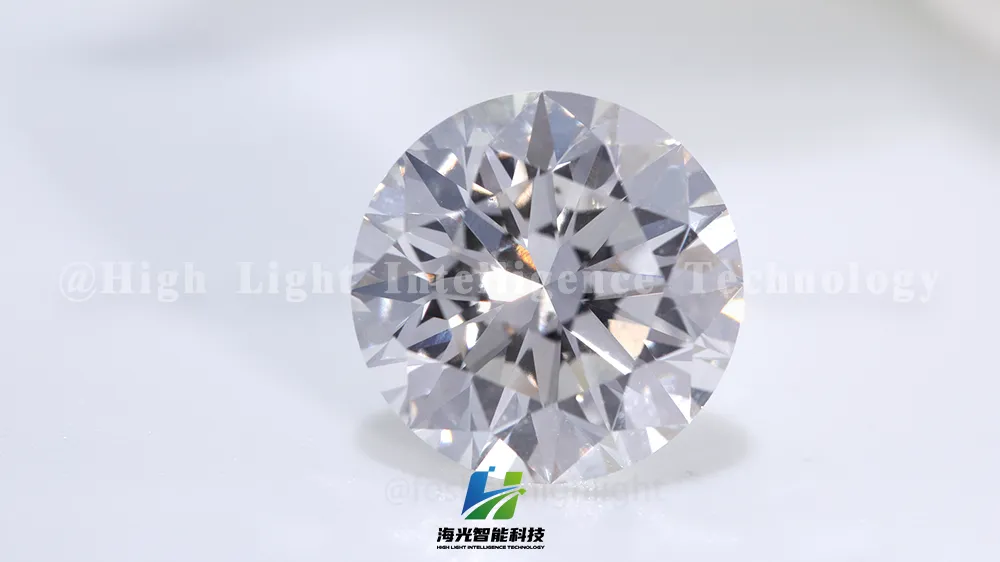

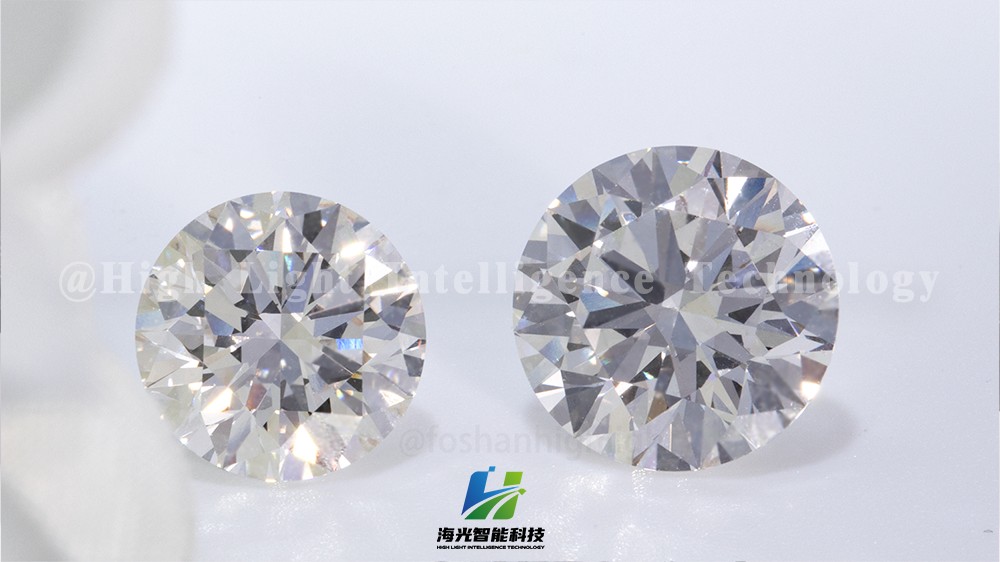
In the jewelry market, lab-grown diamonds have rapidly risen with their huge price advantage. Taking the Shuibei market in Shenzhen as an example, the price of a one-carat D-color natural diamond is as high as 73,158 yuan, while a lab-grown diamond (loose stone) of the same quality only costs 3,500 yuan, with a huge price gap. This price advantage makes lab-grown diamonds extremely competitive in the jewelry market. According to data, up to 80% of consumers in the United States have recognized the existence of lab-grown diamonds, and in Europe, young consumers' understanding of lab-grown diamonds is as high as 77%. It is expected that in the next few years, with the continuous advancement of technology and the continuous development of the market, the penetration rate of lab-grown diamonds will further increase and become the mainstream choice in the jewelry market.

With the rapid development of AI and semiconductor technology, the requirements for chip quality have been unprecedentedly improved. With its excellent acoustic, optical, electromagnetic and thermal properties, lab-grown diamonds have become the preferred material for high-power, high-frequency, high-temperature and low-consumption electronic devices in the future. They are known as the "ultimate semiconductor" and demonstrate their core position in the field of science and technology. High-quality, large-size, ultra-pure CVD diamonds are not only used to decorate jewelry, but also involved in high-end industries such as semiconductor devices, optical windows, and chip heat dissipation, leading the innovation of the semiconductor industry and accelerating the development of the industry.
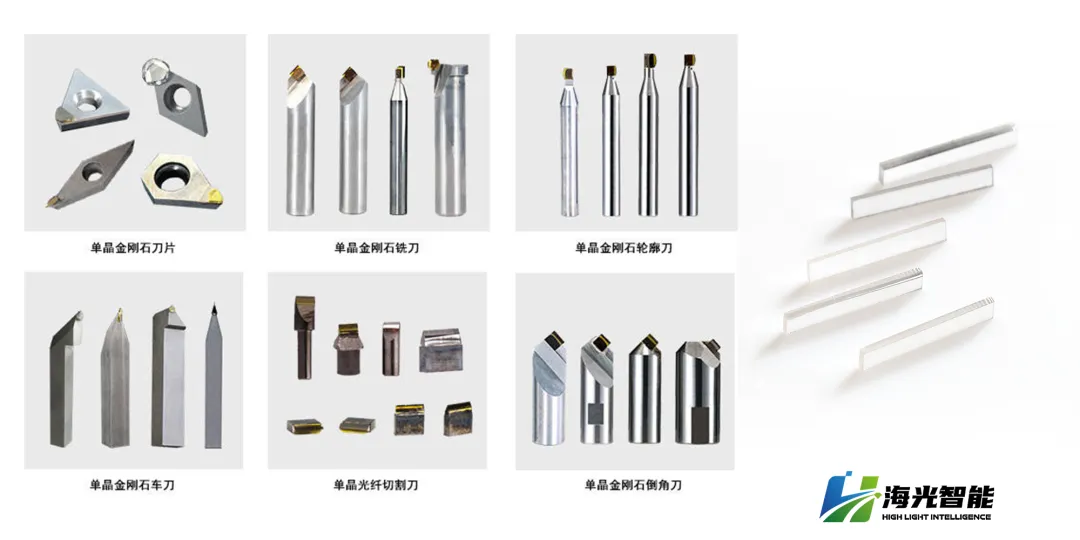
Lab-grown diamonds are emerging, innovating the consumer experience in the jewelry market and empowering the high-tech field. With the expansion of the industry and the deepening of the market, its prospects are bright and it is expected to become a dazzling new star in the market, adding infinite beauty and surprises to life with its unique charm and excellent performance.









-

Vintage Trend: Champagne & Cognac Diamond Color Guide
Recently, vintage aesthetics have continued to sweep the global jewelry industry, with Victorian court styles, Edwardian vintage jewelry, and European-style vintage bridal jewelry making a comeback. Champagne-colored diamonds, with their naturally soft luster, have risen in popularity, perfectly complementing the elegant heritage of vintage jewelry. Having broken out of niche collector circles, they have taken the jewelry markets of Europe, the United States, and Southeast Asia by storm. Thanks
-
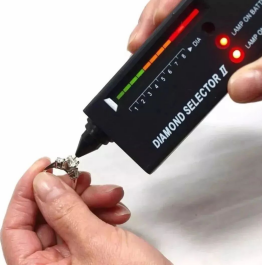
The Ultimate Guide to Diamond Testers: Everything You Need to Know About Use and Selection
A diamond tester is a portable electronic instrument that distinguishes diamonds from other materials based on differences in thermal conductivity. It is typically shaped like a thick pen or a small remote control, with a fine metal sensing probe at the tip.
-
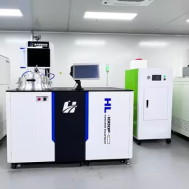
A Guide to CVD Diamond Mass Production
In recent years, MPCVD technology has continued to demonstrate its technical advantages, including the ability to grow high-purity Type IIa diamonds, precise and controllable color, support for mass production of large-size wafers, and suitability for high-end semiconductor applications. Thanks to its unique product and process advantages, it has become the leading production solution in two key global markets: affordable luxury jewelry and high-end electronic heat dissipation. An increasing num
-
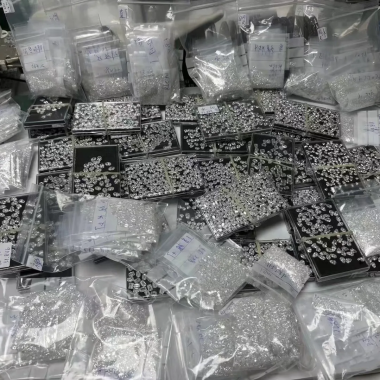
Do Melee Diamonds Have Grading? Why Don't the Lab-Grown Melee Diamonds You Buy Come with 4C Certificates?
Many people wonder when customizing a lab-grown diamond ring or shopping for pavé-set jewelry: "The center stone comes with an IGI certificate clearly stating its color, clarity, and cut. What about the surrounding small melee diamonds? Do they have a grading?"