- 中文
- English
- Español
High Light Intelligence Technology's diamond/Cu has become the first choice for cost-effective heat sinks
2024-08-23 09:52:12
Click:
“
With the rapid development of the semiconductor industry, efficient heat dissipation technology has become the key to improving device performance and life. Facing the trend of high frequency and high power, traditional heat sink materials are unable to cope with it. High Light Intelligence Technology, an industry leader, has launched diamond/Cu composite heat sinks with innovative technology, providing a new cost-effective heat dissipation solution.
”
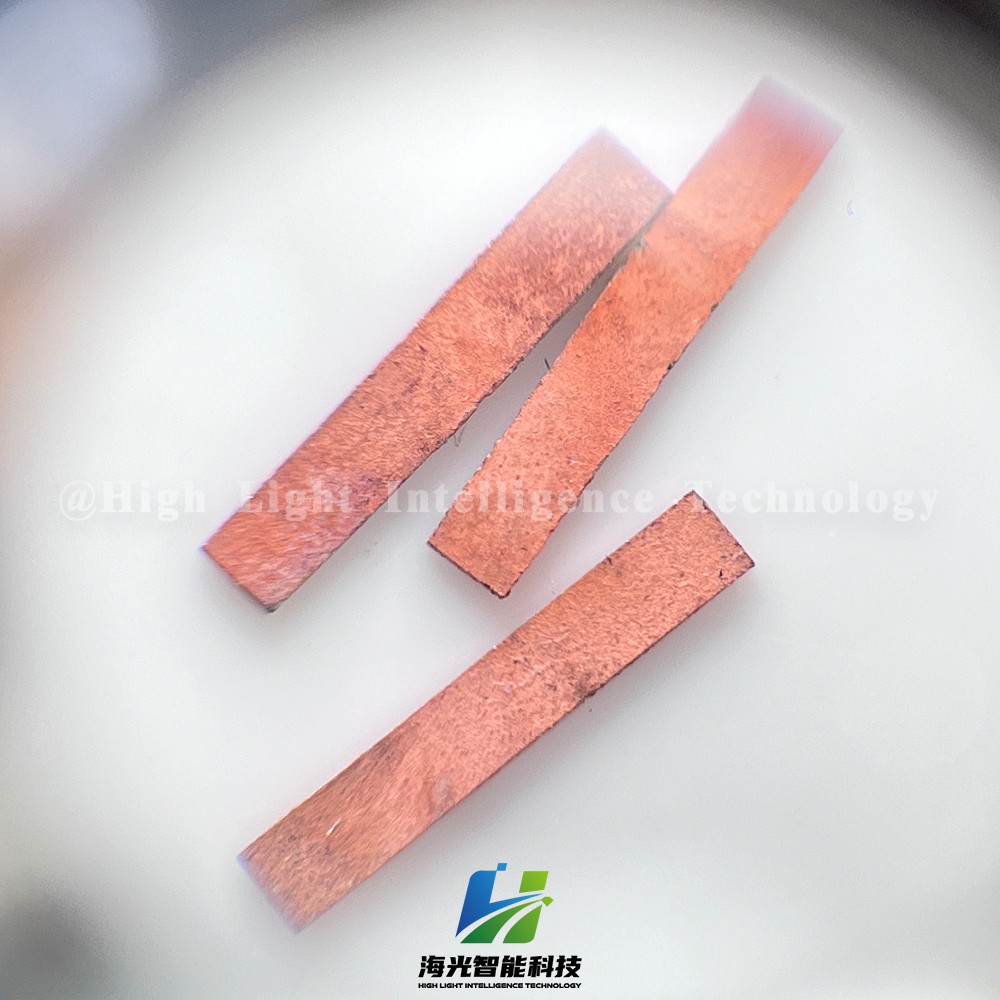
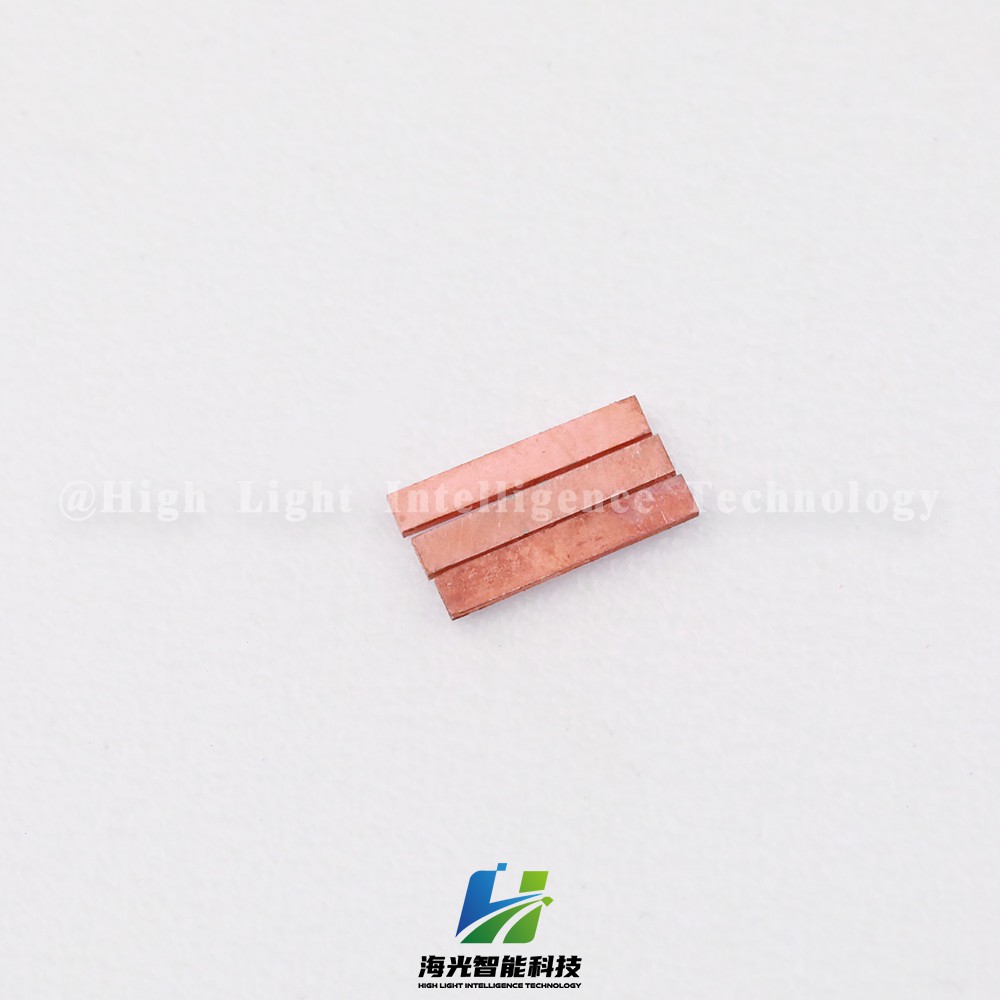
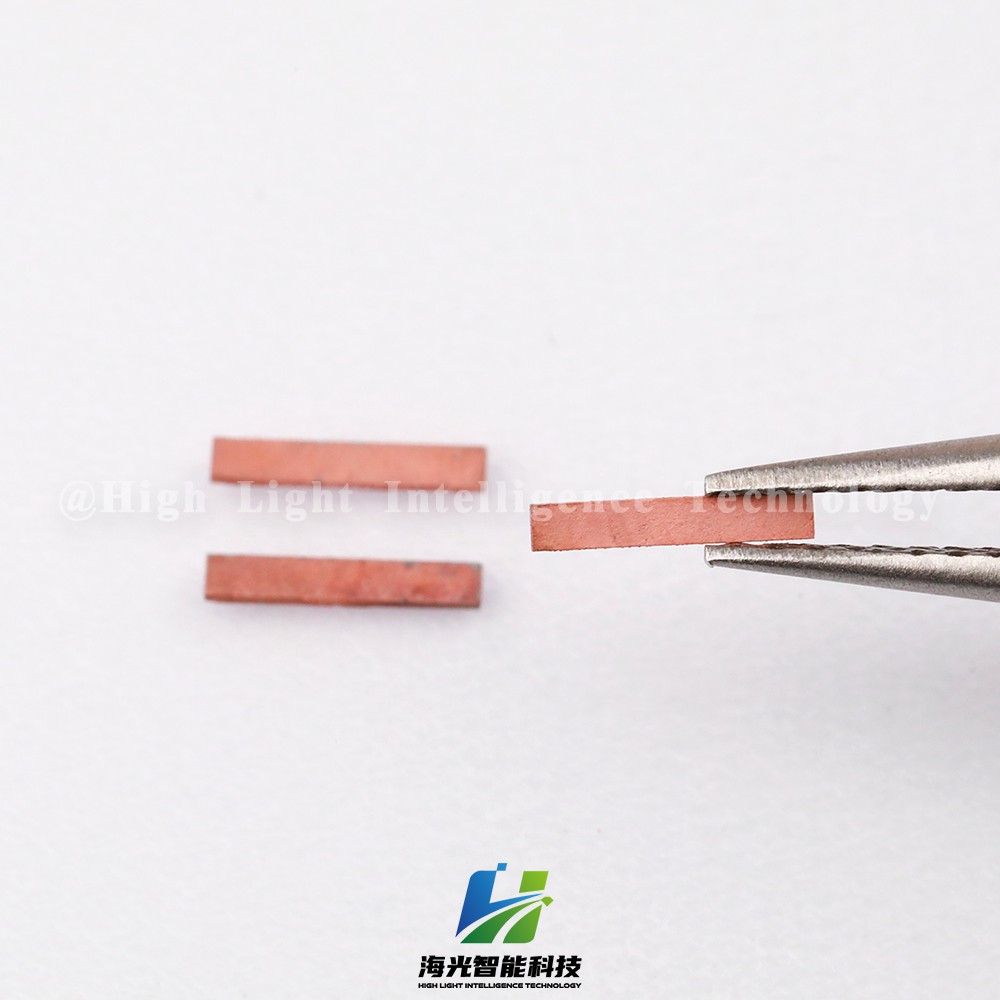
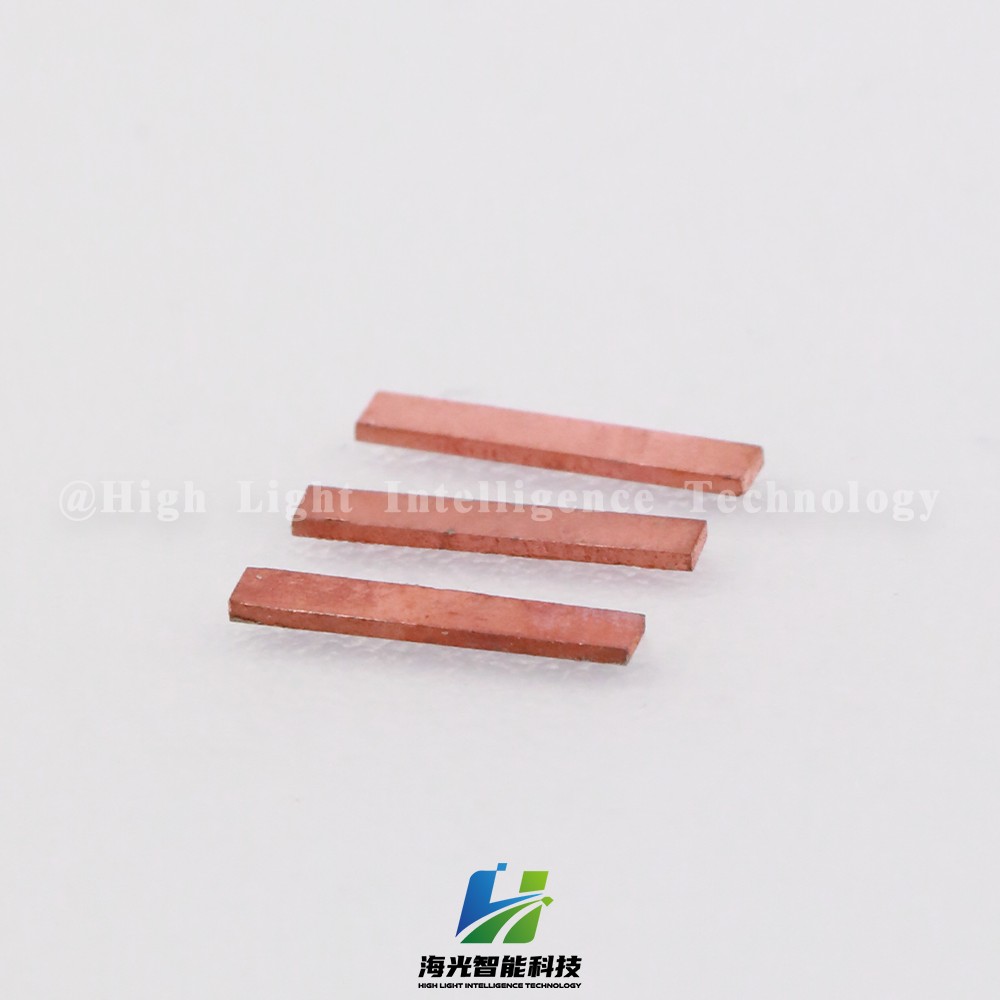
High Light's diamond/Cu heat sink quickly stands out in the market with its high cost-effectiveness. Compared with traditional heat sink materials, diamond/Cu heat sink has achieved a qualitative leap in heat dissipation efficiency. It can more effectively transfer heat from the heat source, reduce the operating temperature of electronic devices, and extend the service life. At the same time, its production cost is effectively controlled, making this high-end heat dissipation technology more widely used in various electronic devices, including high-power LEDs, high-power lasers, solar panels, and electronic equipment in the aerospace field.
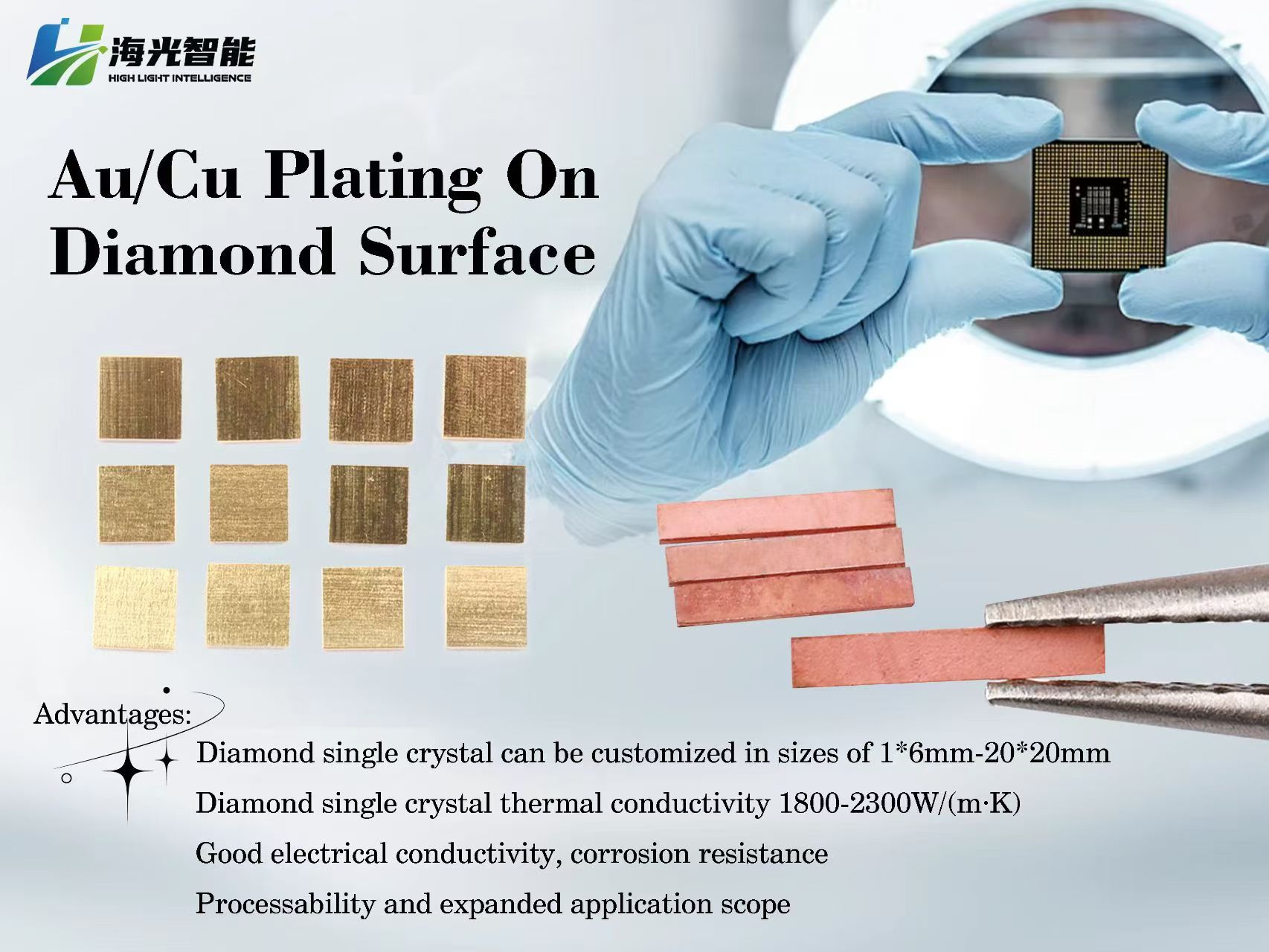
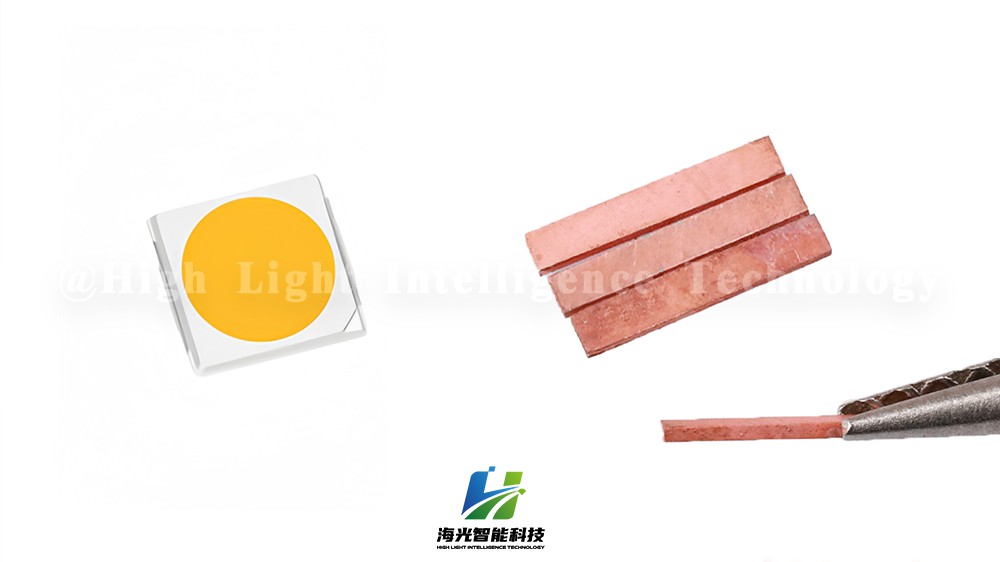
In the field of high-power LEDs, the application of diamond/Cu heat sinks has greatly improved the luminous efficiency and service life of LEDs. LED chips generate a lot of heat energy during operation. If it cannot be dissipated in time, it will seriously affect its performance. Diamond/Cu heat sinks, with their excellent thermal conductivity, can quickly export heat and keep the LED chip running within the optimal operating temperature range, thereby extending the service life of the LED and improving the luminous efficiency.
Diamond/Cu heat sinks show great potential in developing multi-chip assembly technology. This technology arranges VLSI chips in three dimensions to create ultra-small high-performance devices. Diamond film, as a key heat dissipation material, effectively solves the heat dissipation problem. With the popularization of 5G, the power consumption of base stations has increased. Diamond/Cu heat sinks are used in base station thermal management with their excellent heat dissipation performance, helping to save energy and reduce consumption and promote the construction of green communication networks.
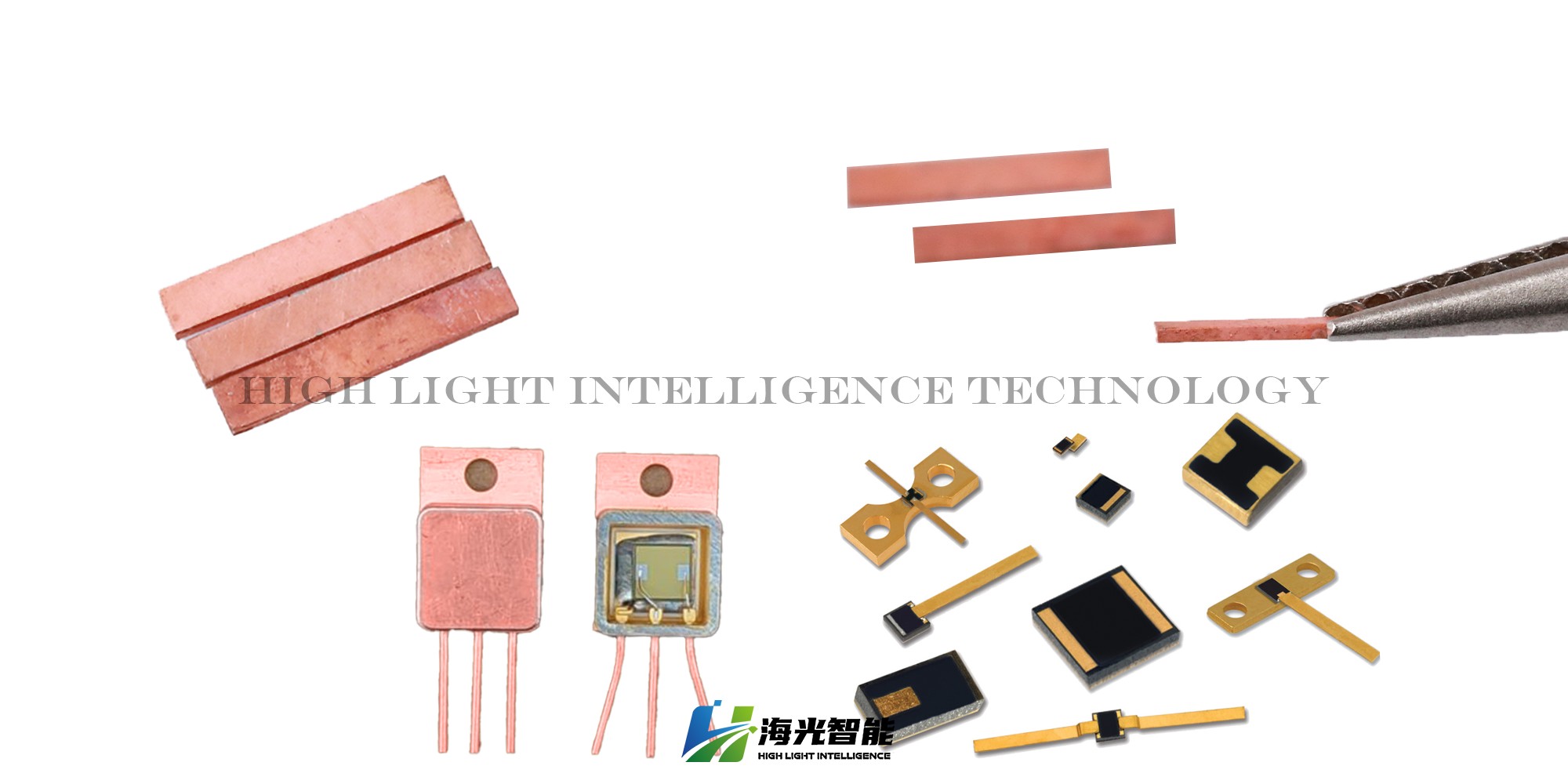
In the photovoltaic industry, diamond/Cu heat sinks also show great application potential. If the temperature of a solar photovoltaic module is too high during operation, it will cause a short circuit in some battery cells and reduce the overall efficiency. Diamond/Cu heat sinks, with their high thermal conductivity and low thermal expansion coefficient, can quickly dissipate heat, reduce the generation of hot spots, and ensure the long-term stable operation of photovoltaic modules. At the same time, their corrosion resistance and light weight also make them perform well in harsh outdoor environments.

As a representative of cost-effective heat dissipation materials, High Light Intelligence Technology's diamond/Cu heat sink is leading the innovation trend of semiconductor heat dissipation technology. Its excellent performance, wide application fields and reasonable cost control make this innovative product the first choice of many electronic device manufacturers. In the future, with the continuous advancement of technology and the continuous expansion of the market, High Light Intelligence Technology's products will surely play an important role in more fields and contribute more to industrial upgrading and scientific and technological progress.
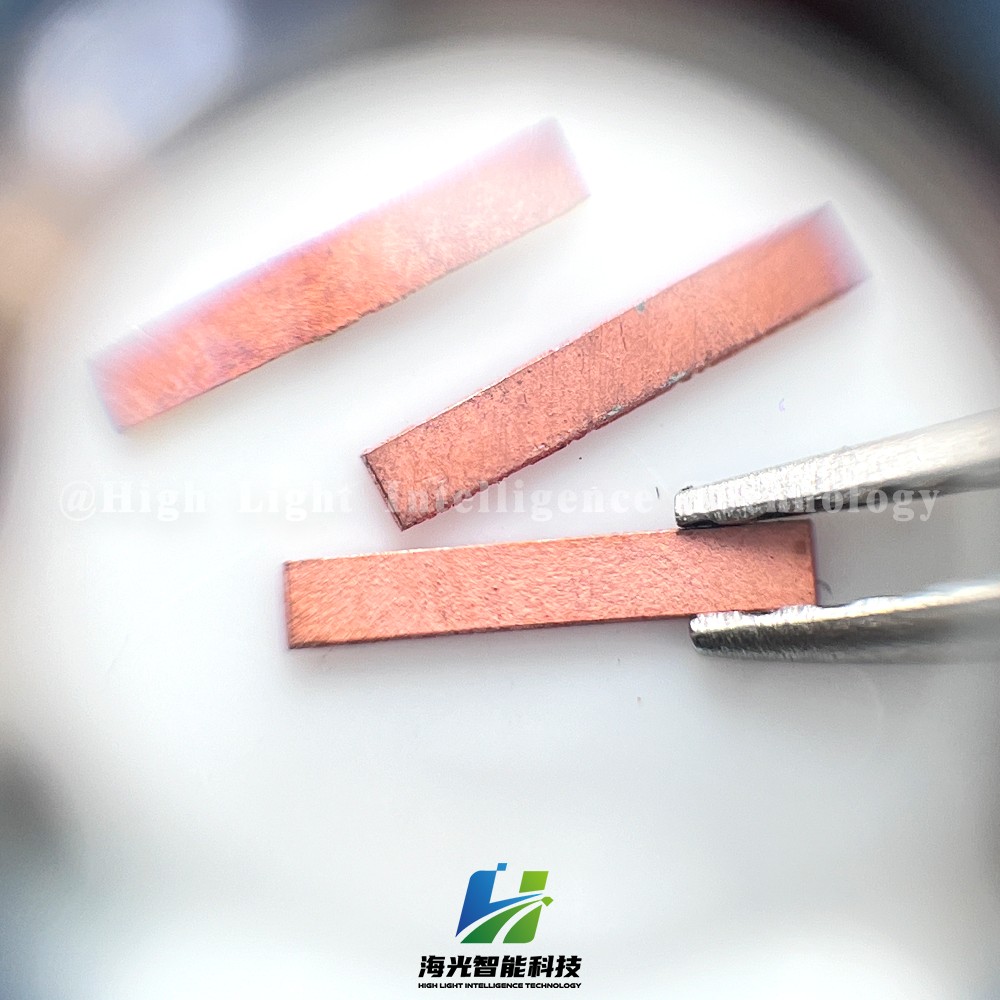
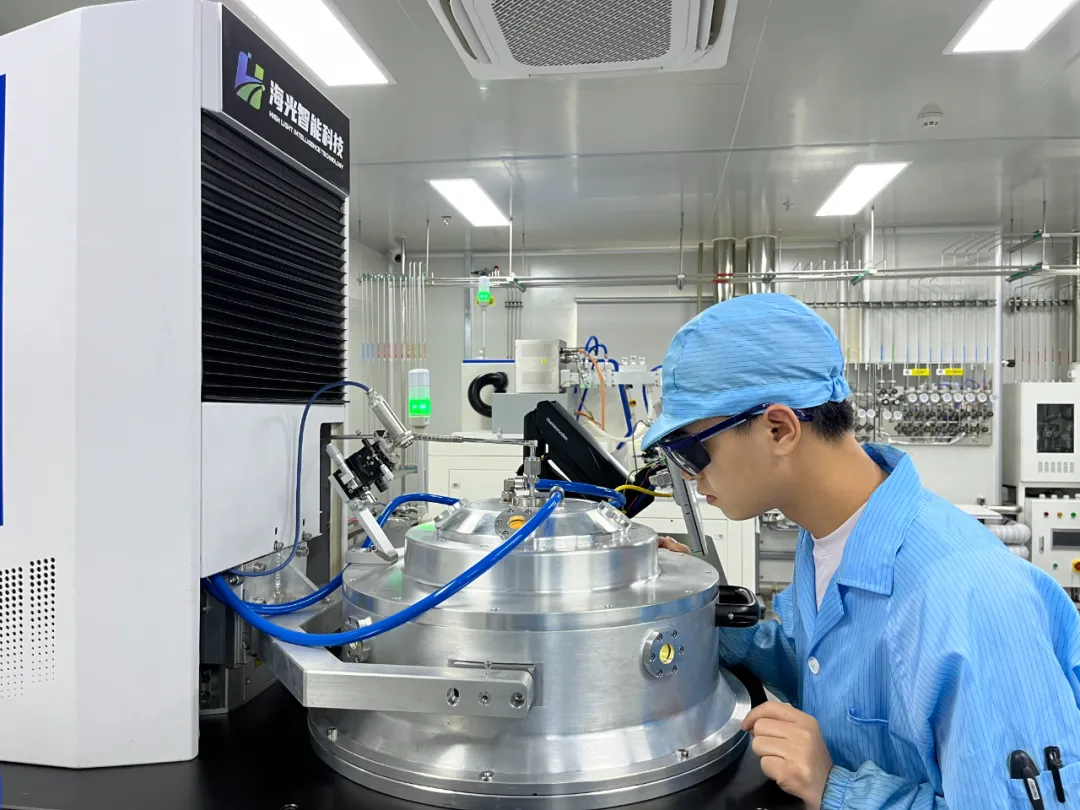
High Light Intelligence Technology, a pioneer in the CVD diamond industry, has advanced MPCVD technology and CVD diamond production workshops. We focus on producing high-purity lab-grown diamonds for the jewelry industry, and at the same time create industrial-grade CVD diamond products, covering single crystals, polycrystalline, films and diamond surface metallization. We also provide 6kw/10kw/15kw MPCVD equipment to help customers in all aspects, from equipment to products, and then to all-round services, to create brilliance together.









-

Foshan Highlight Intelligent Technology invites you to the 140th Canton Fair—join us at Booth 21.2A23-24 in the Friendship Hall to share in the brilliance.
Foshan Highlight Intelligent Technology invites you to the 140th Canton Fair—join us at Booth 21.2A23-24 in the Friendship Hall to share in the brilliance.
-
CVD Single-Crystal Diamonds: An Analysis of the Complete Processing Workflow from Gas-Phase Deposition to Finished Diamond Chips
MPCVD (Microwave Plasma Chemical Vapor Deposition) technology is currently the core process for producing high-quality single-crystal diamond s. Thanks to its advantages of low defect rates, high purity, and controllable large dimensions, it is widely used in fields such as semiconductor heat dissipation, precision optics, and high-end sensors. The final quality of single-crystal diamond s depends on comprehensive process control throughout the entire workflow—from vapor deposition growth to pos
-
Single-Crystal or Polycrystalline Diamond — Which Has Greater Potential?
As diamond continues to enter industries such as semiconductors, thermal management, optics, high-power electronics, and precision machining, the requirements for diamond materials are also evolving.
-
Diamond Polishing and Grinding Processes: Core Challenges and Industry Hurdles
Diamond is often hailed as the “ultimate material” – ranking 10 on the Mohs hardness scale, boasting an ultra‑high thermal conductivity (~2,200 W/(m·K)), excellent chemical stability, and broad optical transparency. These properties make it irreplaceable in cutting‑edge applications such as semiconductor heat dissipation, high‑end optics, and quantum chips. Yet the paradox of “good materials are hard to process” is nowhere more evident than in diamond. From rough grinding for planarization to at