- 中文
- English
- Español
What are the advantages of CVD diamond chips?
2024-08-30 09:39:03
Click:
“
In an era where performance and efficiency are paramount, the technological innovation led by CVD diamond chips is emerging, illuminating the future of the semiconductor industry like a bright star. Let's explore the charm and unlimited potential of this technological pearl!
”
In the era of pursuing ultimate performance and efficiency, a technological revolution led by CVD diamond chips is quietly emerging. It is like a bright star, illuminating the future of the semiconductor industry. Today, let us explore the unique charm and infinite possibilities of this technological pearl together!
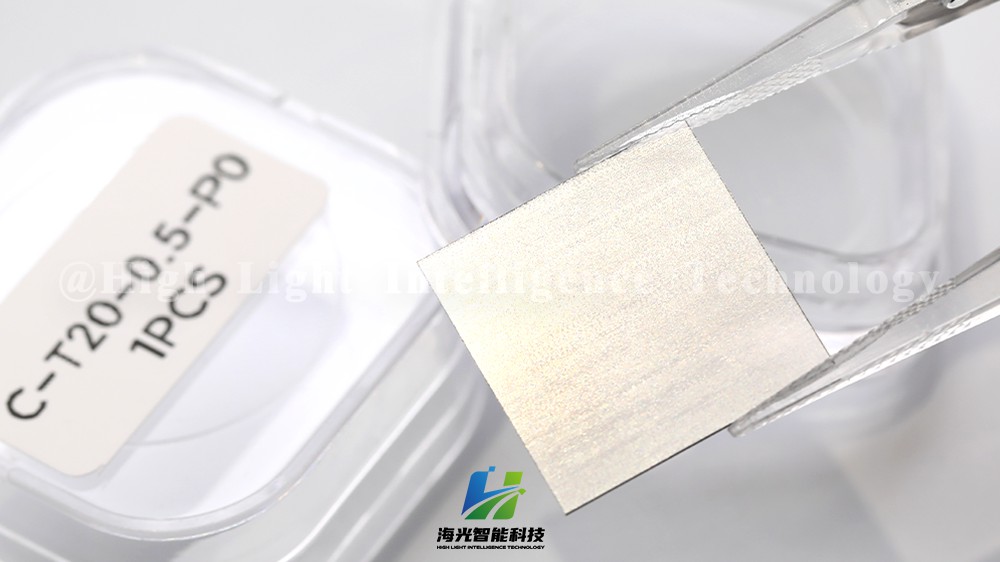
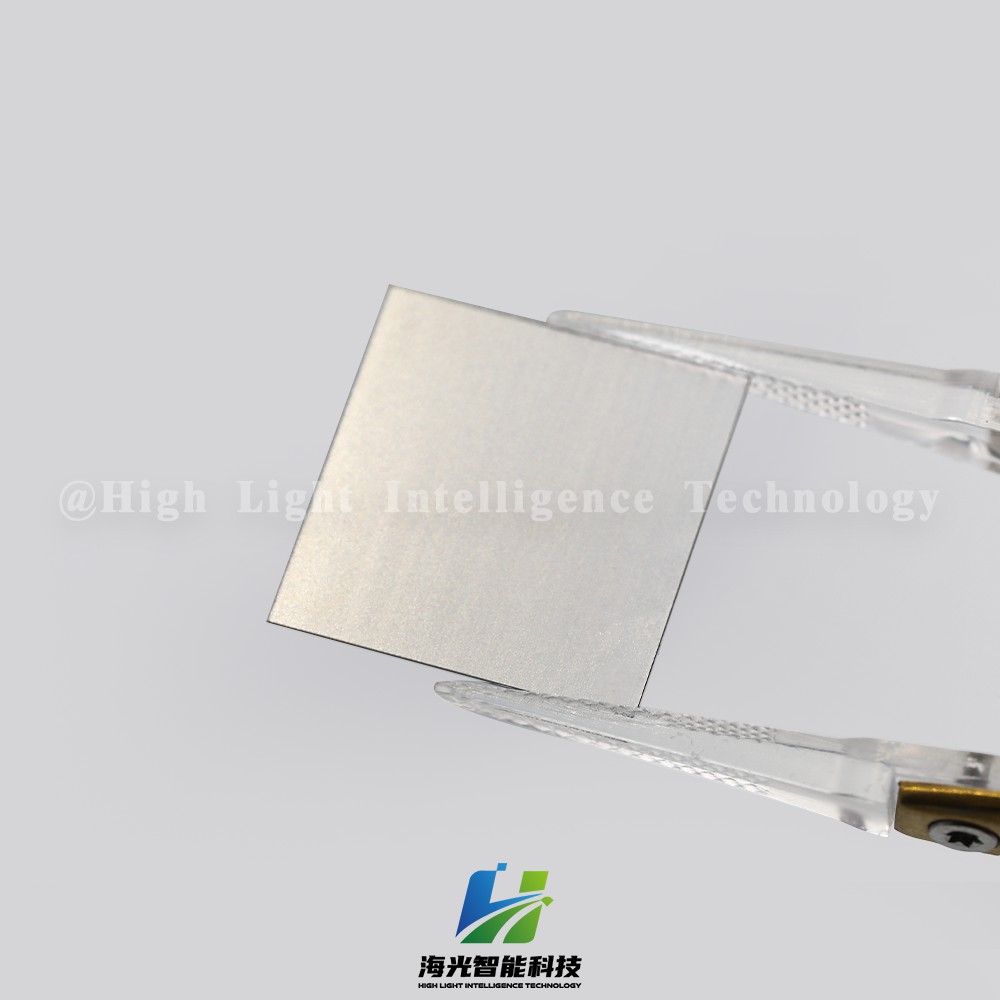
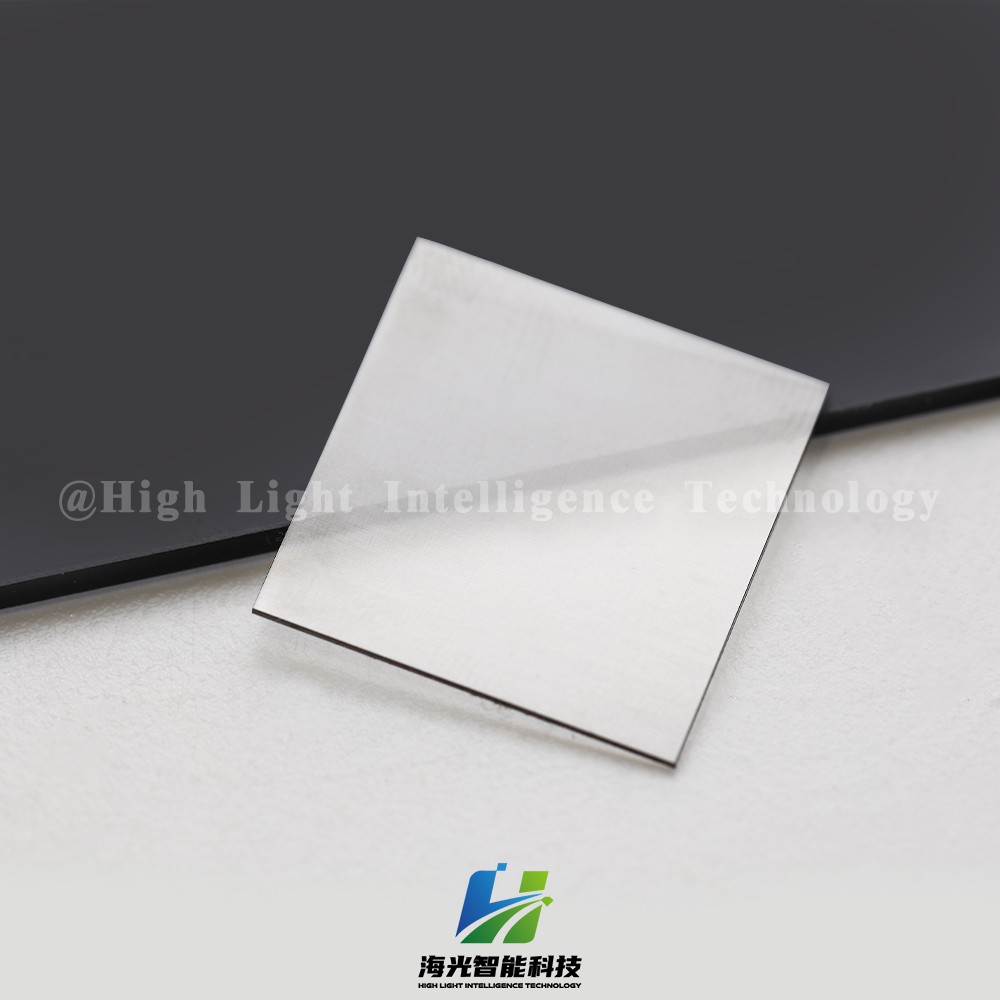

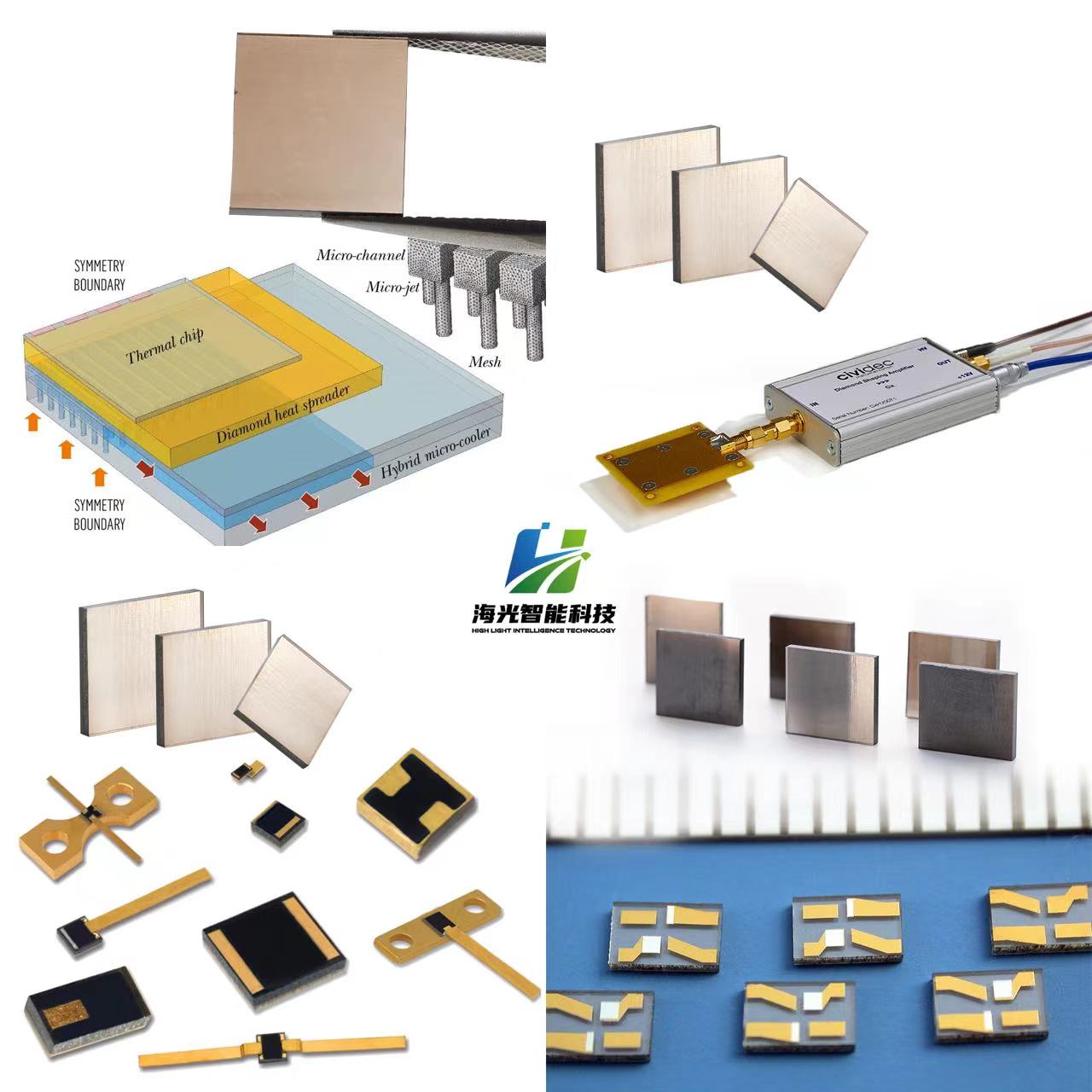
Diamond has become an efficient heat dissipation material with excellent heat dissipation performance, significantly reducing heat dissipation losses and ensuring stable high-temperature operation. When constructing converters, diamond devices reduce weight and capacity by half compared to silicon-based devices and one-third compared to silicon carbide devices. In the design, it is necessary to balance energy efficiency, cost, size, and weight, and diamond is particularly prominent in improving the energy efficiency of electric vehicles. In terms of cost, the design cost of diamond chips is about 30% lower than that of silicon carbide, due to less material demand and good thermal management. In terms of efficiency, diamond is reduced to one-third of silicon carbide, and its volume can be reduced by four times, resulting in significant energy savings. In terms of volume and weight optimization, diamond increases the switching frequency, reduces the volume of passive components by four times, simplifies the design of heat sinks, and promotes new breakthroughs in system lightweighting and compactness.
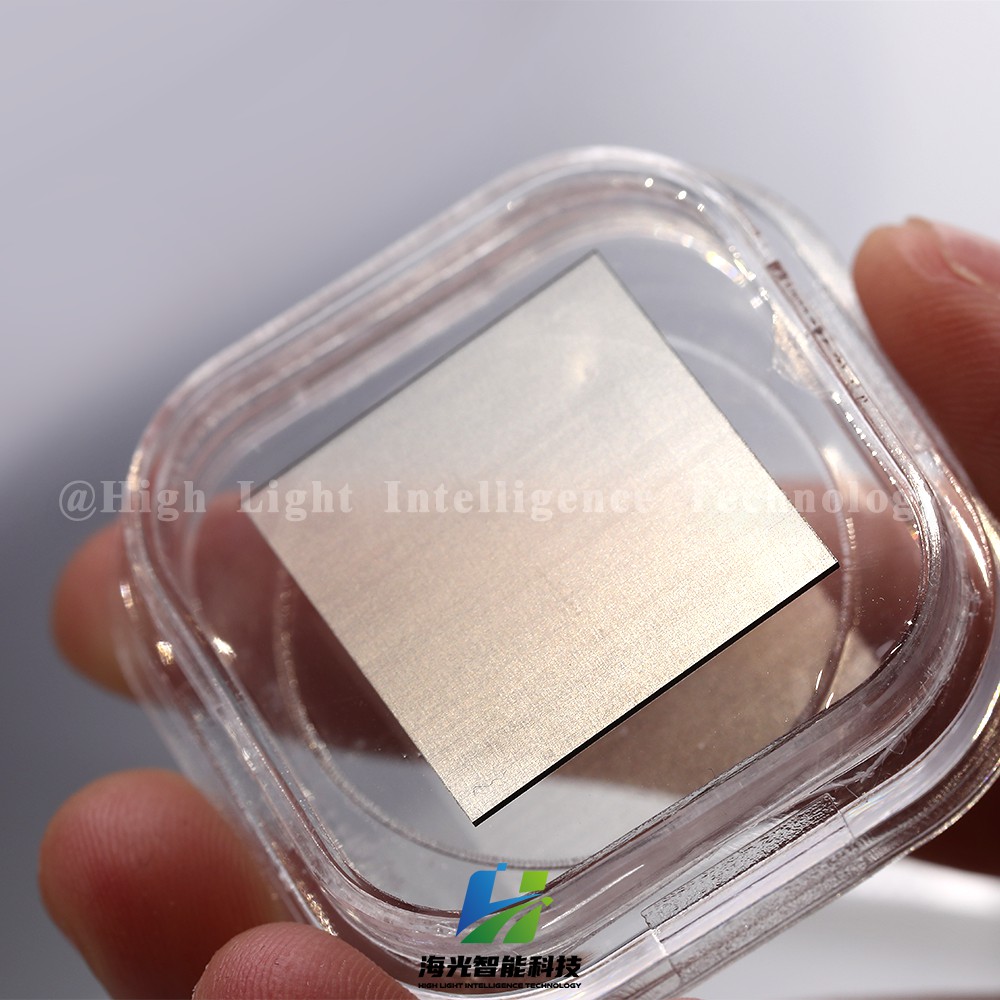
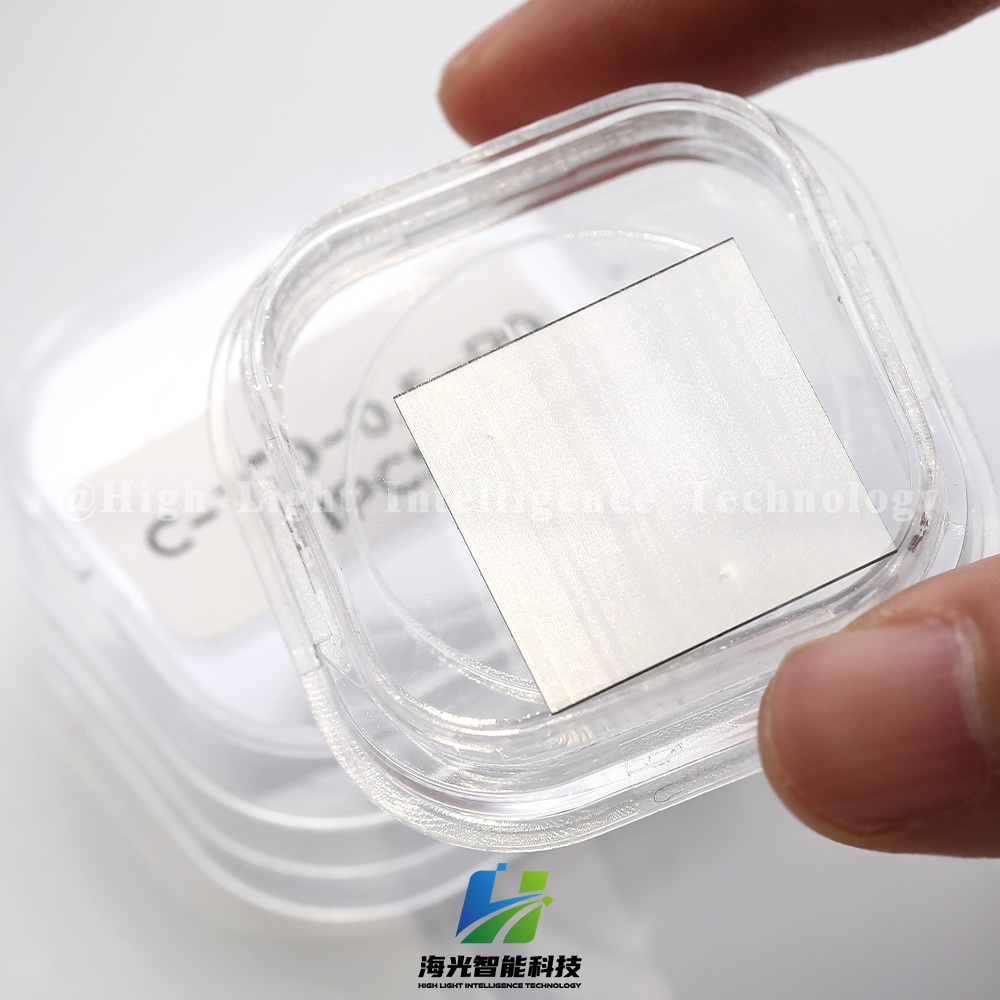
Diamond is known for its excellent insulation properties, with a breakdown electric field strength of up to 10 MV/cm, far exceeding silicon, SiC, and GaN. Even in thin sheet form, it maintains high insulation and high voltage resistance. In the field of 5G, diamond substrates, with their excellent thermal conductivity, help dissipate heat from high-power components, ensure stable operation, and meet the urgent need for efficient heat dissipation in 5G equipment. With the surge of 5G data, diamond substrates have become the key to solving the challenges of high frequency and high power density.
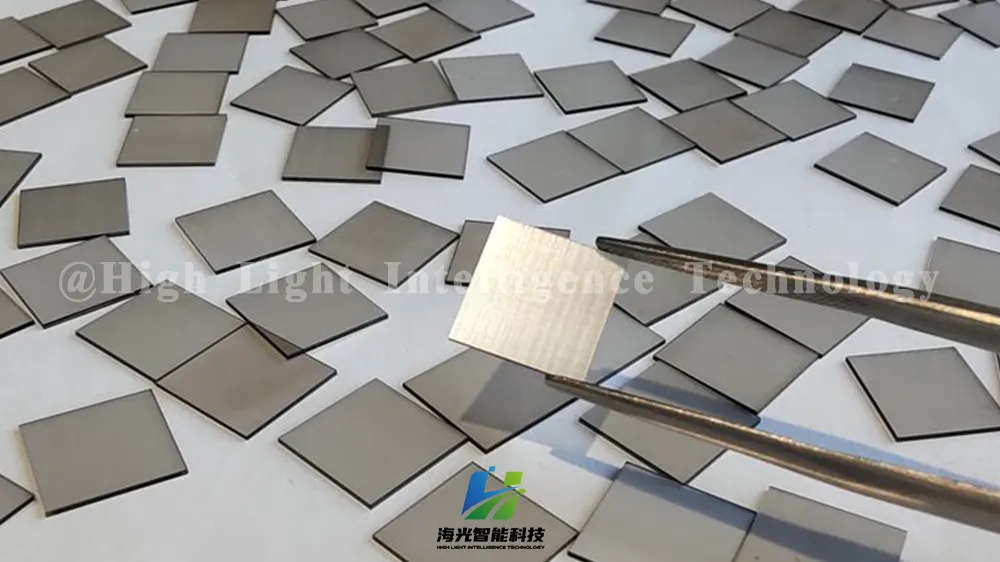
Compared with silicon-based technology, the combination of diamond with gallium nitride and silicon carbide can create high-performance power devices, which are widely used in fields such as electric vehicles, renewable energy, industrial drives, and high-power lasers, improving energy efficiency and extending equipment life. As an efficient radiator, it promotes the transition to clean energy and vehicle electrification, reduces energy loss, and improves system efficiency, especially suitable for space constrained scenarios such as electric vehicles.
Market forecasts show that the global diamond semiconductor substrate market is growing rapidly, expected to reach 342 million US dollars by 2030, with a CAGR of 12.3%. The Asia Pacific region, especially China, Japan, and South Korea, will dominate the market due to strong demand for electronic semiconductors, contributing over 40% of global revenue.









-

Foshan Highlight Intelligent Technology invites you to the 140th Canton Fair—join us at Booth 21.2A23-24 in the Friendship Hall to share in the brilliance.
Foshan Highlight Intelligent Technology invites you to the 140th Canton Fair—join us at Booth 21.2A23-24 in the Friendship Hall to share in the brilliance.
-
CVD Single-Crystal Diamonds: An Analysis of the Complete Processing Workflow from Gas-Phase Deposition to Finished Diamond Chips
MPCVD (Microwave Plasma Chemical Vapor Deposition) technology is currently the core process for producing high-quality single-crystal diamond s. Thanks to its advantages of low defect rates, high purity, and controllable large dimensions, it is widely used in fields such as semiconductor heat dissipation, precision optics, and high-end sensors. The final quality of single-crystal diamond s depends on comprehensive process control throughout the entire workflow—from vapor deposition growth to pos
-
Single-Crystal or Polycrystalline Diamond — Which Has Greater Potential?
As diamond continues to enter industries such as semiconductors, thermal management, optics, high-power electronics, and precision machining, the requirements for diamond materials are also evolving.
-
Diamond Polishing and Grinding Processes: Core Challenges and Industry Hurdles
Diamond is often hailed as the “ultimate material” – ranking 10 on the Mohs hardness scale, boasting an ultra‑high thermal conductivity (~2,200 W/(m·K)), excellent chemical stability, and broad optical transparency. These properties make it irreplaceable in cutting‑edge applications such as semiconductor heat dissipation, high‑end optics, and quantum chips. Yet the paradox of “good materials are hard to process” is nowhere more evident than in diamond. From rough grinding for planarization to at