- 中文
- English
- Español
Application of Diamond Heat Sink in the Automobile Industry
2024-09-06 10:13:36
Click:
“
With the rapid development of science and technology, the automotive industry is undergoing tremendous changes. The popularization of electric vehicles and breakthroughs in intelligent driving technology are all based on advanced materials. As a high-performance material, diamond heat sinks are increasingly used in the automotive industry, effectively improving vehicle performance, life and safety.
”
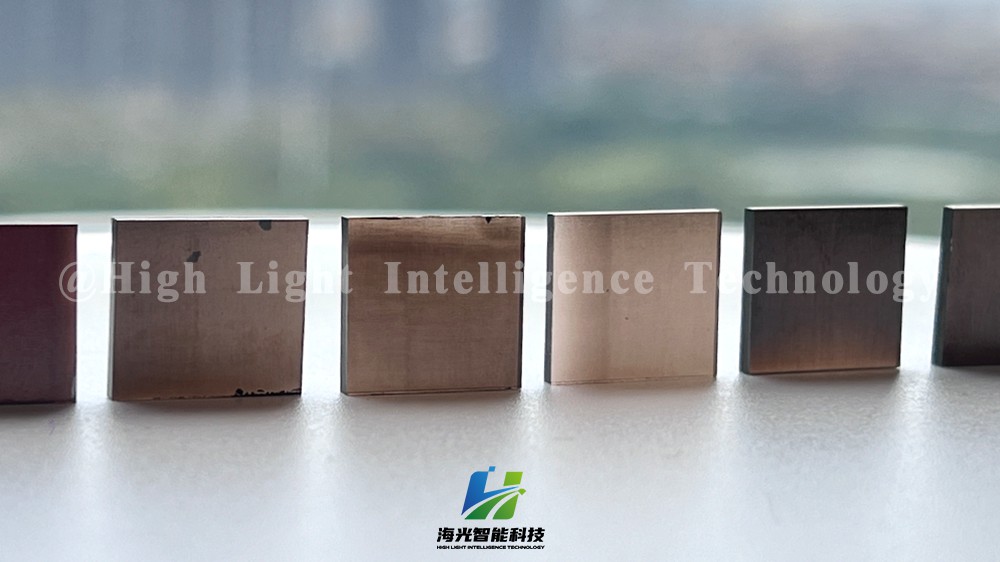
Diamond Heat Sink
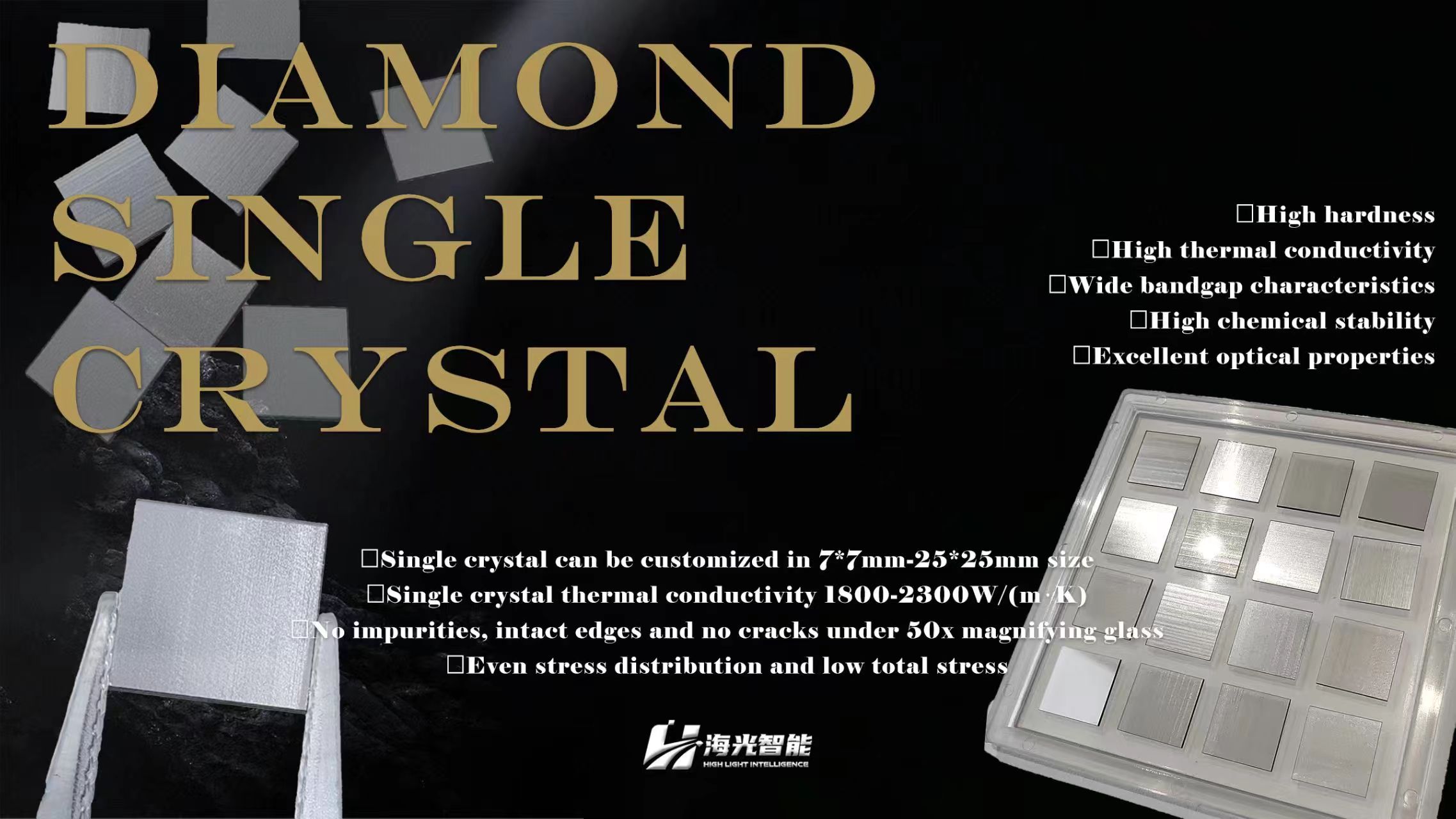
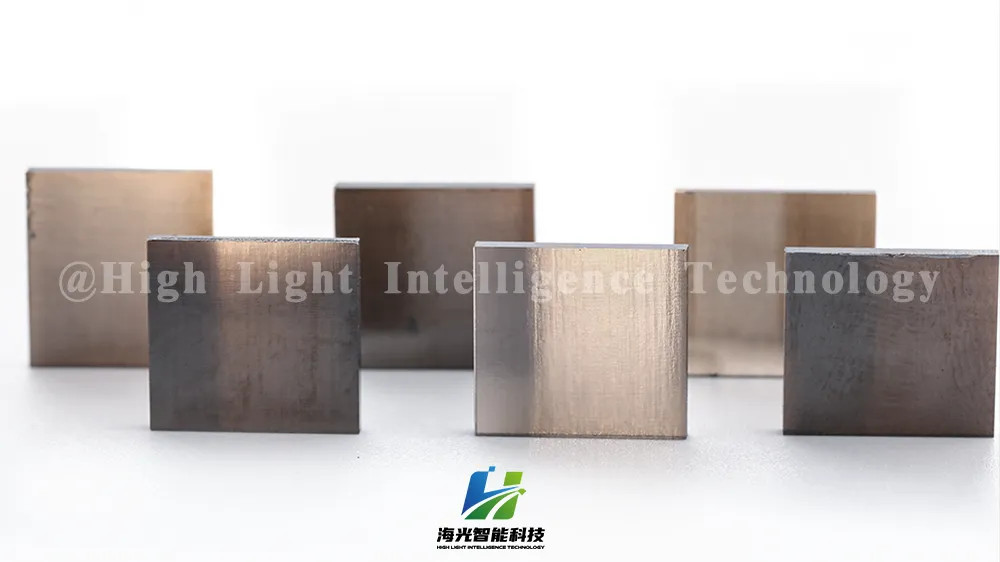
Diamond heat sink is a thermal management component made of diamond material. Diamond is famous for its extremely high thermal conductivity (up to 2300W/m.K, 5 times that of copper and 10 times that of aluminum) and excellent thermal stability. These characteristics make diamond heat sink excellent in heat dissipation, and can quickly transfer heat from the heat source to the radiator, effectively preventing equipment from overheating and protecting key components from high temperature damage.
Electric Vehicle Battery Management
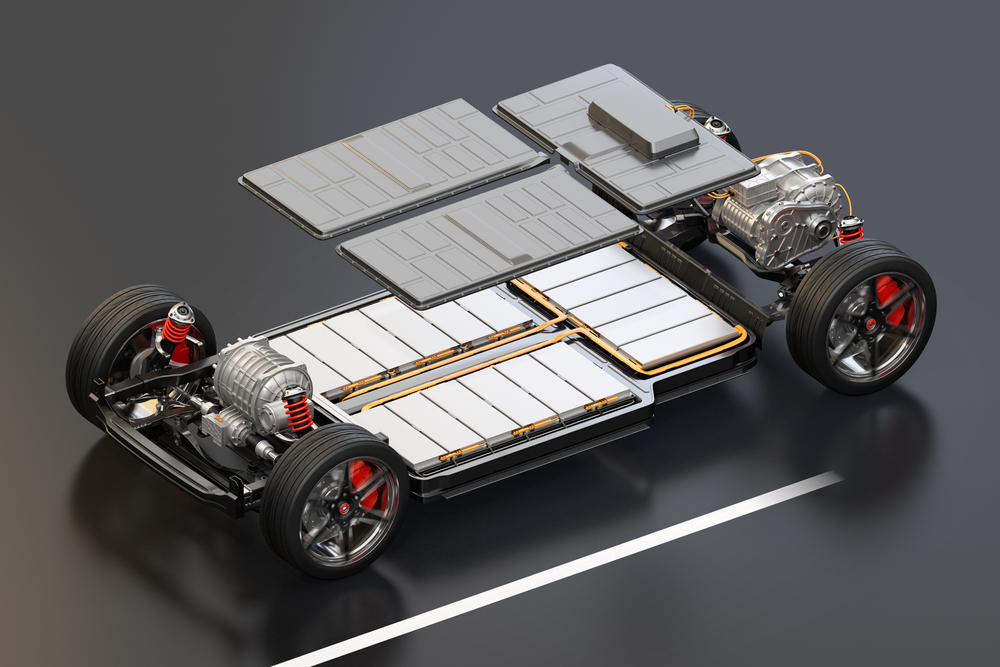
The performance of electric vehicle battery packs is related to battery life and safety. A lot of heat is generated during operation. Poor heat dissipation can damage the battery and even cause accidents. Diamond heat sinks, with their high thermal conductivity, can efficiently dissipate heat, maintain the battery at a suitable operating temperature, and improve charging and discharging efficiency and cycle life.
Motor and Inverter Cooling
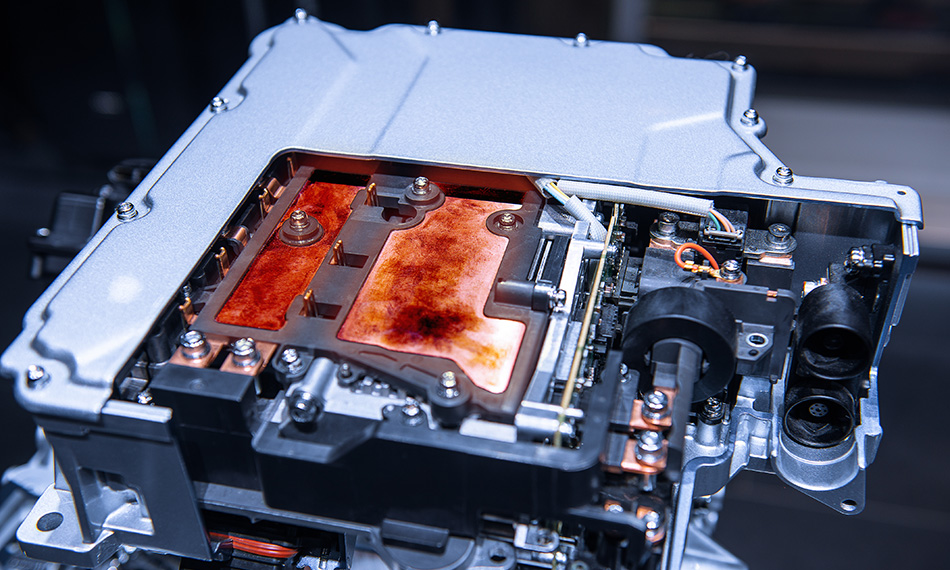
The motor and inverter of an electric vehicle are key components that drive the vehicle, and they generate a lot of heat when running at high speeds. If this heat cannot be dissipated in time, the efficiency of the motor will decrease and its life will be shortened. The application of diamond heat sinks can significantly improve the heat dissipation performance of motors and inverters, ensuring that they can still operate stably under high loads and improving the overall performance of the vehicle.
Cooling of Automotive Electronic Equipment
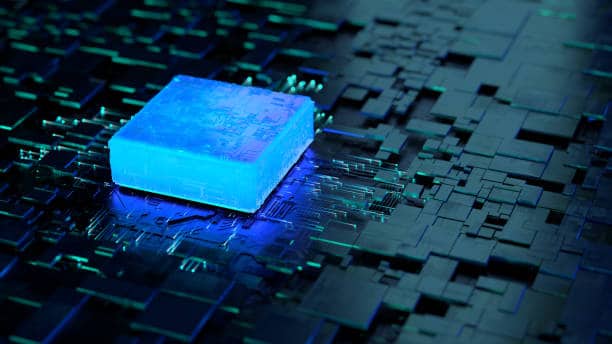
Modern cars integrate a large number of electronic devices, such as on-board computers, navigation systems, entertainment systems, etc. These devices will also generate heat during long-term use, affecting the stability and service life of the equipment. Diamond heat sinks can effectively reduce the temperature of these devices and improve the reliability and durability of the equipment.
Lightweight and Structural Optimization

Diamond not only has excellent thermal conductivity, but also has high hardness and wear resistance. Therefore, diamond coating can be applied to automobile brake pads, clutch plates and other parts to improve the wear resistance and service life of the parts. At the same time, diamond materials can also be used to manufacture lightweight body structural parts, reduce vehicle weight, and improve energy efficiency and performance.
Quantum Sensors and Intelligent Monitoring
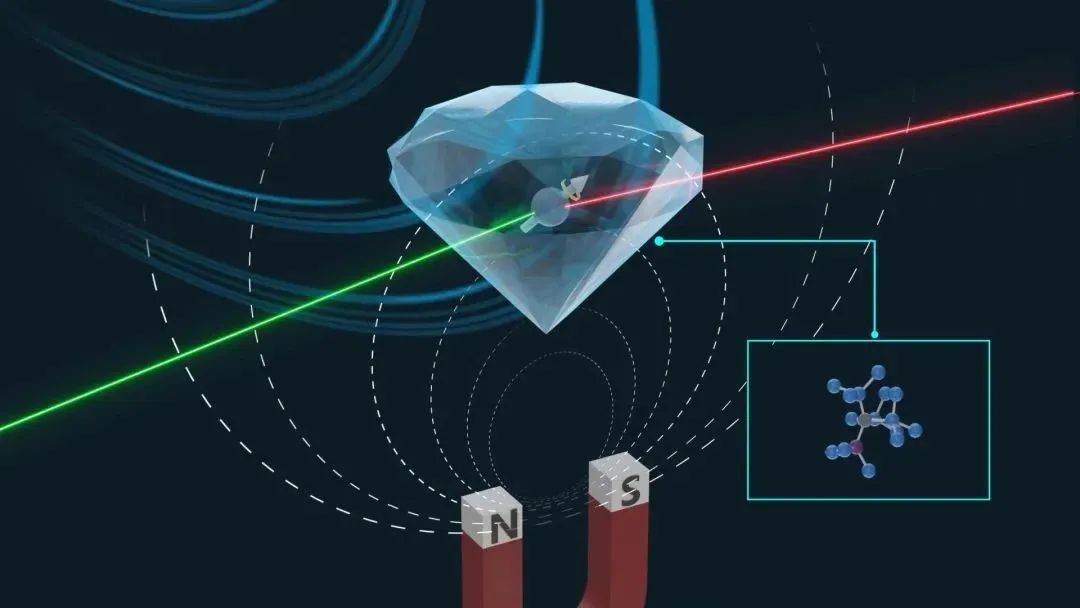
Diamond quantum sensors have the potential for long-term application in harsh environments due to their extremely high chemical stability and physical durability. In new energy vehicles, diamond quantum sensors can be used to monitor the vehicle's operating status, safety hazards, and evaluate battery performance, thereby improving the vehicle's intelligence and safety.
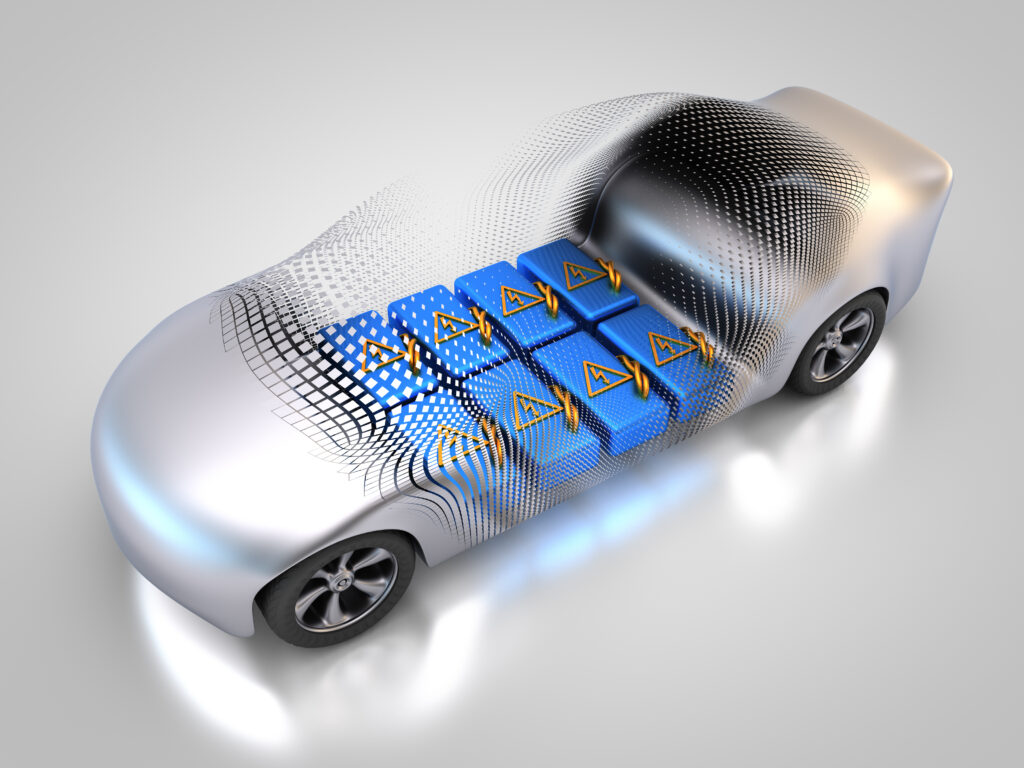
With the expansion of the new energy vehicle market and technological progress, the application space of diamond heat sinks in the automotive industry will be greatly expanded in the future. Diamond heat sinks are expected to play a key role in power conversion storage, optoelectronic devices and other fields, enhancing automotive performance, reliability and sustainability. As a high-performance material, diamond heat sinks have shown significant results in the automotive industry and will continue to drive automotive technology innovation. Driven by technological innovation, its prospects in the automotive industry are even more promising.









-

Foshan Highlight Intelligent Technology invites you to the 140th Canton Fair—join us at Booth 21.2A23-24 in the Friendship Hall to share in the brilliance.
Foshan Highlight Intelligent Technology invites you to the 140th Canton Fair—join us at Booth 21.2A23-24 in the Friendship Hall to share in the brilliance.
-
CVD Single-Crystal Diamonds: An Analysis of the Complete Processing Workflow from Gas-Phase Deposition to Finished Diamond Chips
MPCVD (Microwave Plasma Chemical Vapor Deposition) technology is currently the core process for producing high-quality single-crystal diamond s. Thanks to its advantages of low defect rates, high purity, and controllable large dimensions, it is widely used in fields such as semiconductor heat dissipation, precision optics, and high-end sensors. The final quality of single-crystal diamond s depends on comprehensive process control throughout the entire workflow—from vapor deposition growth to pos
-
Single-Crystal or Polycrystalline Diamond — Which Has Greater Potential?
As diamond continues to enter industries such as semiconductors, thermal management, optics, high-power electronics, and precision machining, the requirements for diamond materials are also evolving.
-
Diamond Polishing and Grinding Processes: Core Challenges and Industry Hurdles
Diamond is often hailed as the “ultimate material” – ranking 10 on the Mohs hardness scale, boasting an ultra‑high thermal conductivity (~2,200 W/(m·K)), excellent chemical stability, and broad optical transparency. These properties make it irreplaceable in cutting‑edge applications such as semiconductor heat dissipation, high‑end optics, and quantum chips. Yet the paradox of “good materials are hard to process” is nowhere more evident than in diamond. From rough grinding for planarization to at