- 中文
- English
- Español
Why has rough diamond been out of stock recently?
2025-02-21 10:04:13
Click:
“
Recently, the diamond rough market has shown a shortage phenomenon, which is hidden behind multiple repeated and mixed factors. The changes in every link from upstream supply, midstream inventory to downstream demand have a profound impact on the supply of rough diamonds.
”
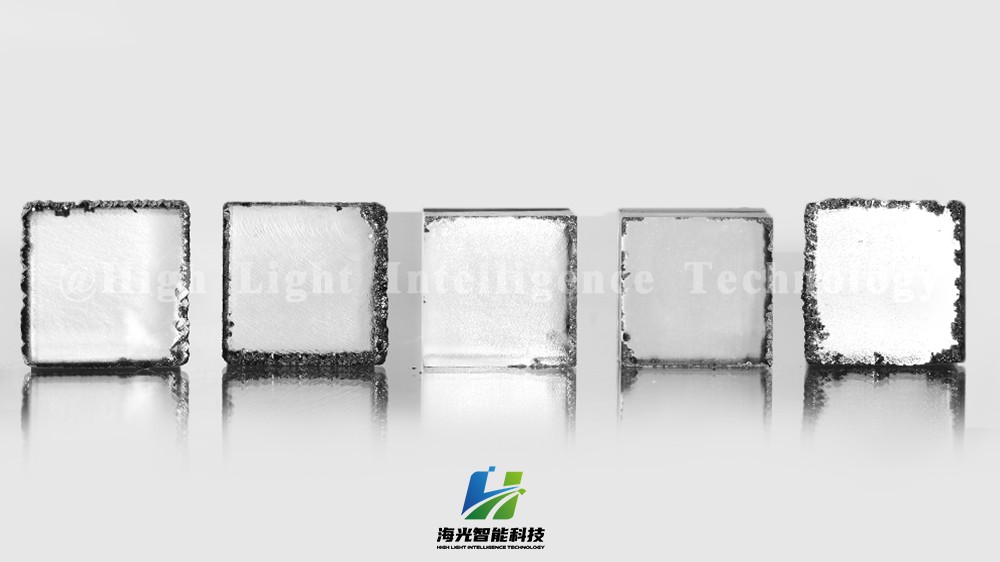
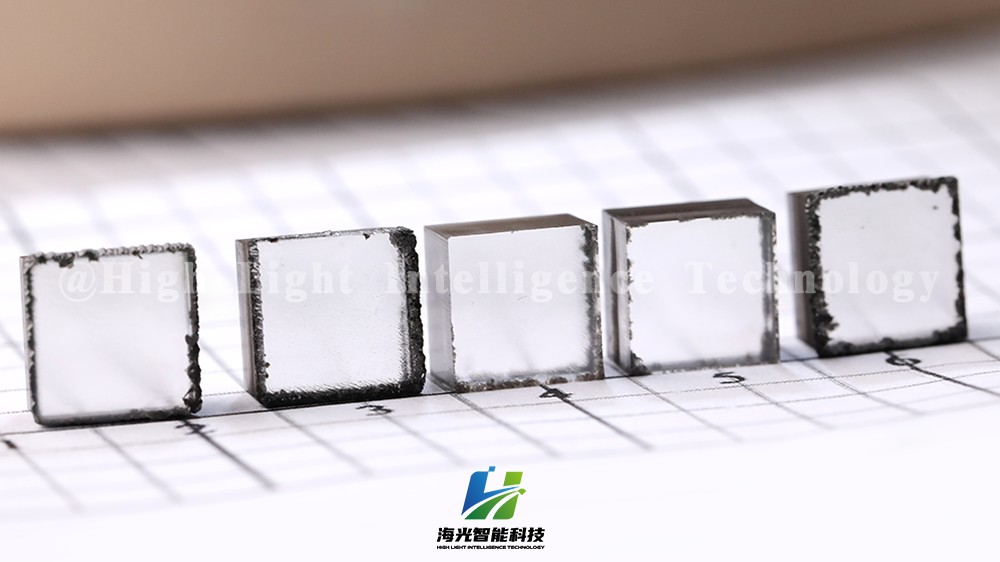

Secondly, the adjustment of midstream inventory structure is also one of the reasons for the shortage of rough diamonds. Due to a sharp decline in inventory, the price index of some weight and quality bare diamonds has increased. This may be due to various pressures in the midstream market that have reduced the procurement of rough diamonds. Meanwhile, changes in market preferences have also had an impact on inventory structure. The downstream market's preference for high-grade natural diamond products is gradually increasing, and retailers are more inclined to recommend high-grade natural diamonds. This may lead to the elimination of low-grade or heavily stocked rough diamonds from the market, exacerbating the shortage phenomenon.
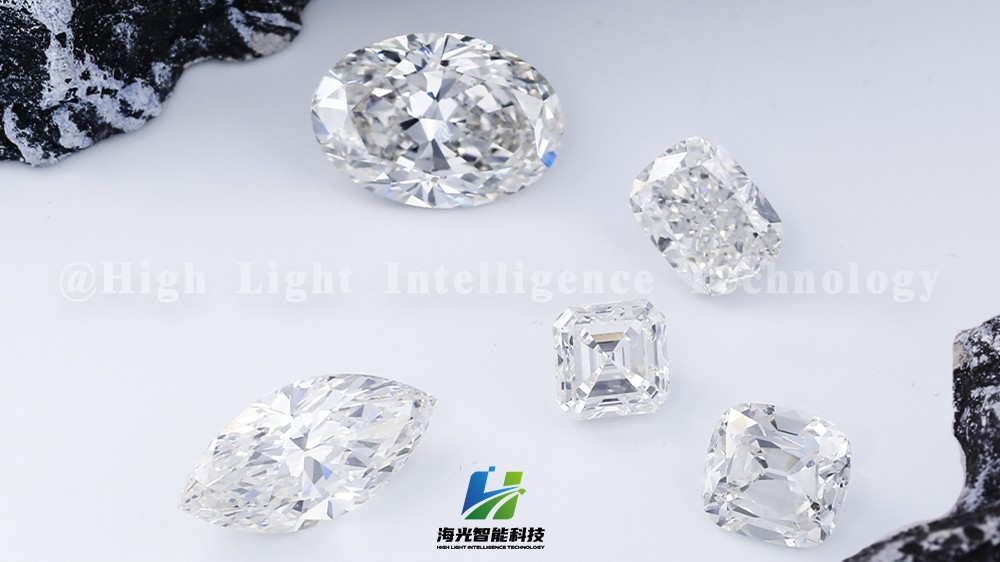
Finally, changes in downstream demand have also had an impact on the supply of rough diamonds. On the one hand, the market recovery after the epidemic is weak, and consumer demand for diamonds has not grown as rapidly as expected. The decline in demand in key markets such as China has had an impact on the import and procurement of rough diamonds. On the other hand, the shift in consumer preferences has also had an impact on the diamond rough market. As consumers' attention to environmental protection and sustainability increases, some consumers are turning to cultivating alternatives such as diamonds. This may have had a certain impact on the market demand for natural diamond rough, thereby exacerbating the shortage phenomenon.
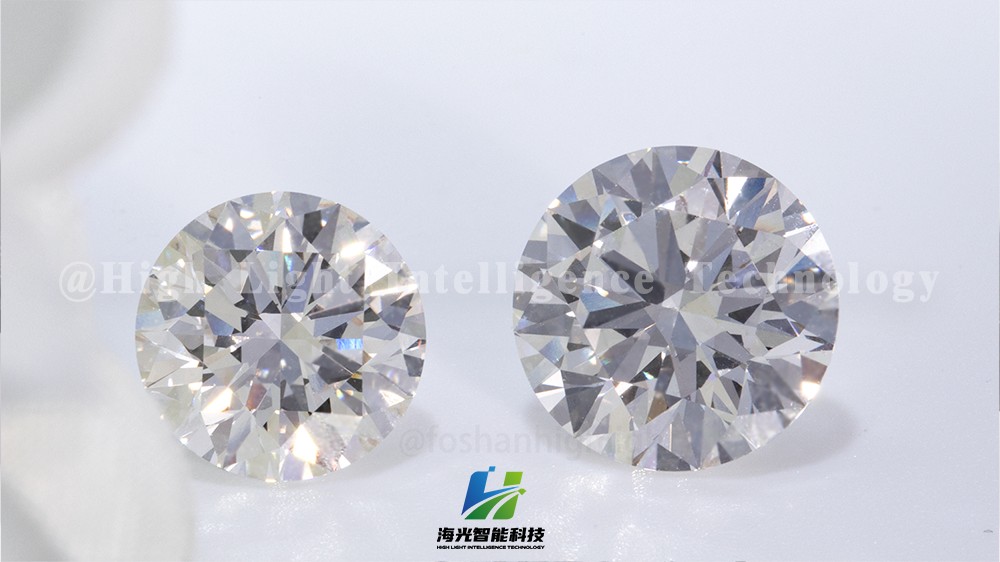
The shortage of rough diamonds is due to a decrease in upstream supply, inventory adjustments in the midstream, and changes in downstream demand. These factors are intertwined, leading to market difficulties. The diamond industry needs to actively respond by adjusting production plans, optimizing inventory, and expanding demand. The government and institutions should strengthen regulatory coordination to promote the healthy development of the industry.

*The articles and pictures are only for industry communication and sharing. If there is any infringement, please contact us to delete them.









-

Foshan Highlight Intelligent Technology invites you to the 140th Canton Fair—join us at Booth 21.2A23-24 in the Friendship Hall to share in the brilliance.
Foshan Highlight Intelligent Technology invites you to the 140th Canton Fair—join us at Booth 21.2A23-24 in the Friendship Hall to share in the brilliance.
-
CVD Single-Crystal Diamonds: An Analysis of the Complete Processing Workflow from Gas-Phase Deposition to Finished Diamond Chips
MPCVD (Microwave Plasma Chemical Vapor Deposition) technology is currently the core process for producing high-quality single-crystal diamond s. Thanks to its advantages of low defect rates, high purity, and controllable large dimensions, it is widely used in fields such as semiconductor heat dissipation, precision optics, and high-end sensors. The final quality of single-crystal diamond s depends on comprehensive process control throughout the entire workflow—from vapor deposition growth to pos
-
Single-Crystal or Polycrystalline Diamond — Which Has Greater Potential?
As diamond continues to enter industries such as semiconductors, thermal management, optics, high-power electronics, and precision machining, the requirements for diamond materials are also evolving.
-
Diamond Polishing and Grinding Processes: Core Challenges and Industry Hurdles
Diamond is often hailed as the “ultimate material” – ranking 10 on the Mohs hardness scale, boasting an ultra‑high thermal conductivity (~2,200 W/(m·K)), excellent chemical stability, and broad optical transparency. These properties make it irreplaceable in cutting‑edge applications such as semiconductor heat dissipation, high‑end optics, and quantum chips. Yet the paradox of “good materials are hard to process” is nowhere more evident than in diamond. From rough grinding for planarization to at