- 中文
- English
- Español
Lab-grown the diamond industry will enter the 'rule era'
2025-03-05 09:28:56
Click:
“
Recently, RJC (Responsible Jewellery Council) launched the Laboratory Grown Materials Standard (LGMS), which clarifies industry ethical standards for lab-grown diamonds and gemstones, marking the entry of the lab-grown diamond industry into the 'era of rules'.
”
Recently, RJC (Responsible Jewellery Council) launched the Laboratory Grown Materials Standard (LGMS), which clarifies industry ethical standards for lab-grown diamonds and gemstones, marking the entry of the lab-grown diamond industry into the 'era of rules'.

LGMS provides guidelines for RJC members to handle synthetic materials, covering regulatory compliance, management systems, due diligence, human rights, labor rights and working conditions. RJC Chairman Dave Meleski emphasized the promotion of responsible business practices throughout the entire chain. In the past decade, lab-grown diamond technology has developed rapidly, but there are problems such as low transparency and labor rights disputes, such as concealment of technical details, child labor and overtime work. After the implementation of LGMS, RJC members need to record and implement the technical requirements of each production step to ensure responsible and transparent operations and clear communication of practices and products. This move is crucial to building market trust and providing consumer decision-making information.
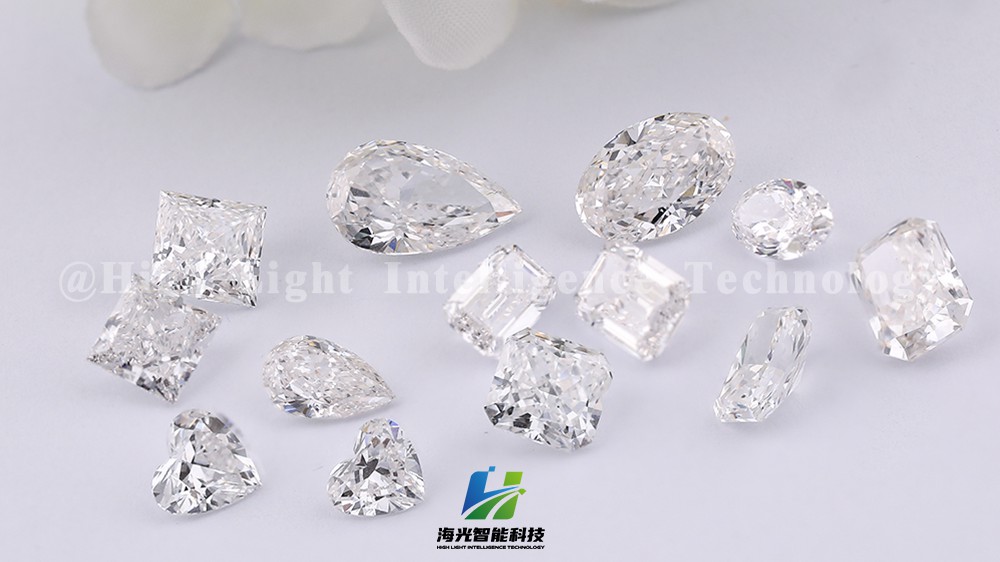
RJC promotes the establishment of a traceable supply chain for lab-grown diamond companies through legal compliance and labor rights review, which is of great significance to the global market order. In the first year of the new rules, RJC members can voluntarily comply with them; after that, it will become a mandatory requirement. RJC provides training and simplifies the audit process. Interim Executive Director John Hall said that the goal is to create a credible environment and ensure best practices throughout the process. RJC's laboratory-grown material standards are crucial to the development of the industry, and unified standards will help regulate the industry.
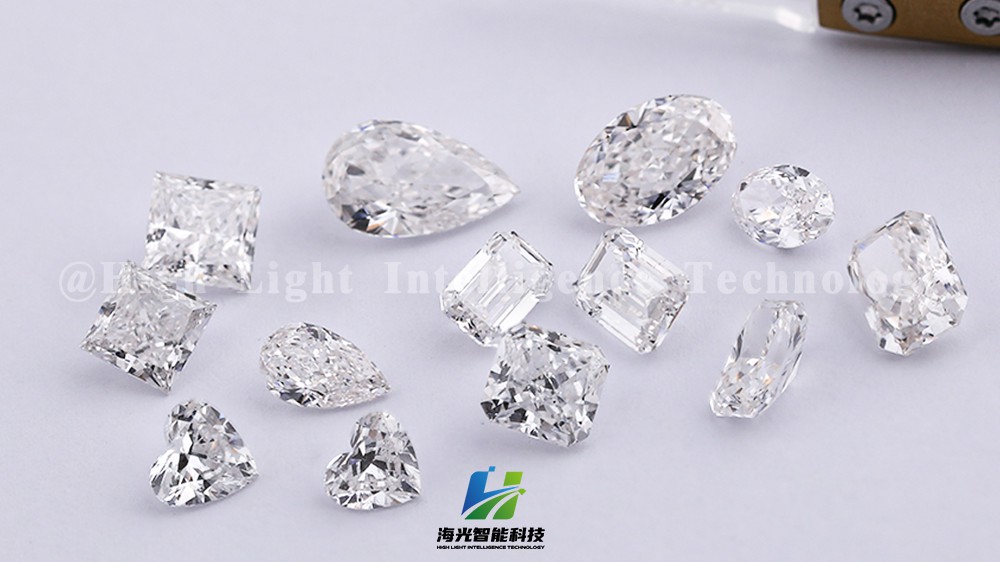
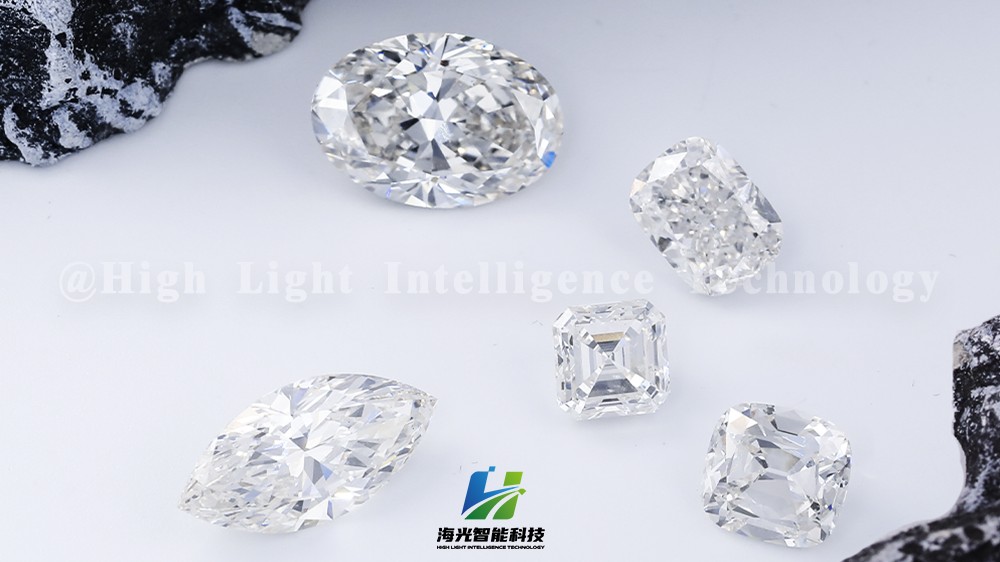

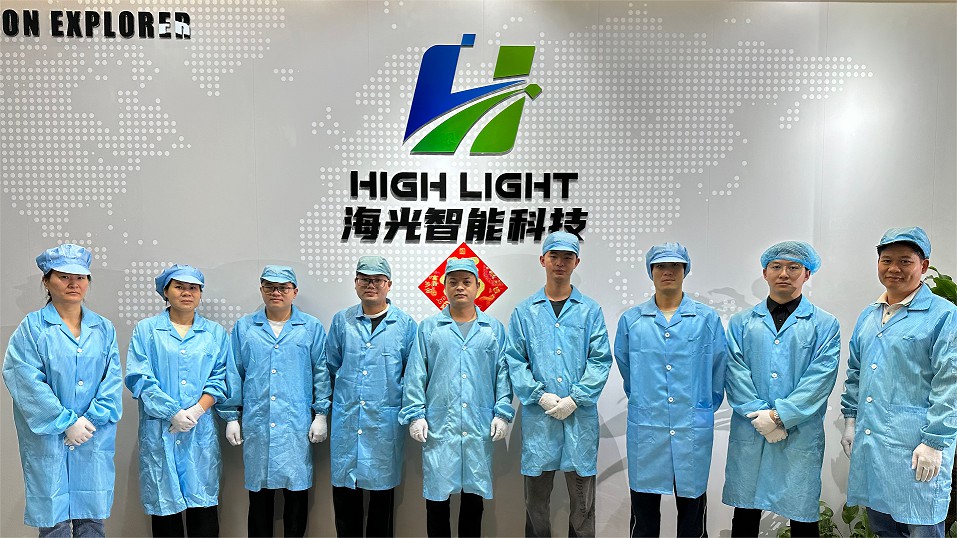









-

Foshan Highlight Intelligent Technology invites you to the 140th Canton Fair—join us at Booth 21.2A23-24 in the Friendship Hall to share in the brilliance.
Foshan Highlight Intelligent Technology invites you to the 140th Canton Fair—join us at Booth 21.2A23-24 in the Friendship Hall to share in the brilliance.
-
CVD Single-Crystal Diamonds: An Analysis of the Complete Processing Workflow from Gas-Phase Deposition to Finished Diamond Chips
MPCVD (Microwave Plasma Chemical Vapor Deposition) technology is currently the core process for producing high-quality single-crystal diamond s. Thanks to its advantages of low defect rates, high purity, and controllable large dimensions, it is widely used in fields such as semiconductor heat dissipation, precision optics, and high-end sensors. The final quality of single-crystal diamond s depends on comprehensive process control throughout the entire workflow—from vapor deposition growth to pos
-
Single-Crystal or Polycrystalline Diamond — Which Has Greater Potential?
As diamond continues to enter industries such as semiconductors, thermal management, optics, high-power electronics, and precision machining, the requirements for diamond materials are also evolving.
-
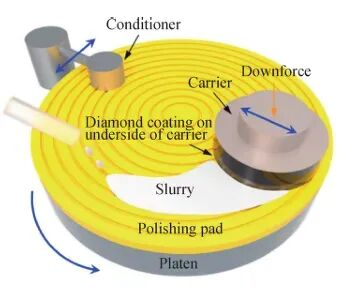
Diamond Polishing and Grinding Processes: Core Challenges and Industry Hurdles
Diamond is often hailed as the “ultimate material” – ranking 10 on the Mohs hardness scale, boasting an ultra‑high thermal conductivity (~2,200 W/(m·K)), excellent chemical stability, and broad optical transparency. These properties make it irreplaceable in cutting‑edge applications such as semiconductor heat dissipation, high‑end optics, and quantum chips. Yet the paradox of “good materials are hard to process” is nowhere more evident than in diamond. From rough grinding for planarization to at